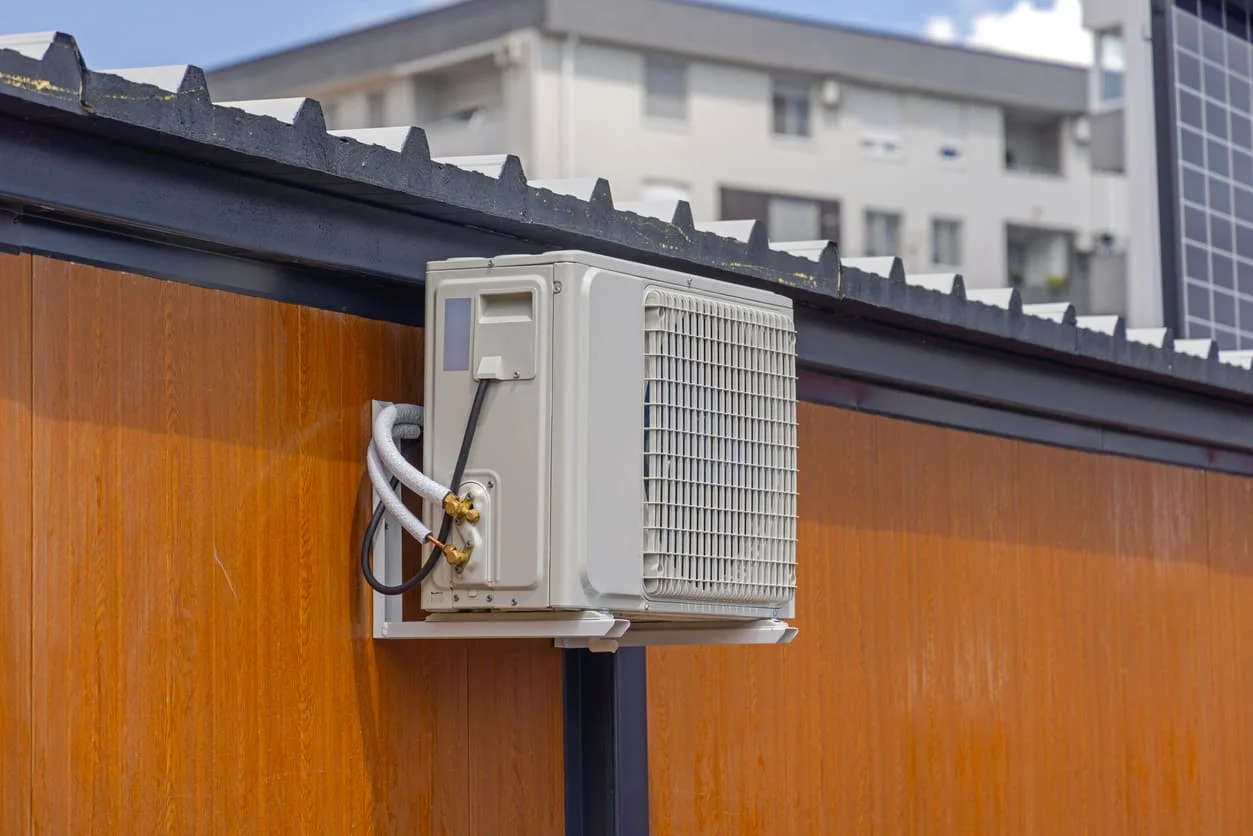
A sunroom can be one of the most enjoyable spaces in a home, but it can also be difficult to keep comfortable. Large windows allow plenty of natural light to enter, yet they can raise indoor temperatures quickly during sunny afternoons. A 12,000 BTU mini split may help maintain a more comfortable temperature, but the right choice depends on the room conditions. Poor insulation, air leakage, direct sunlight, and daily use can all affect how much heating or cooling capacity the space needs.
Why Do Sunrooms Heat Up Faster Than Standard Rooms?
Sunrooms often have more glass than bedrooms, offices, or living rooms. Windows allow solar heat to build up, especially when the room faces south or west. This added heat can make a mini split system work harder to maintain a comfortable indoor temperature. If the roof also receives direct sunlight, the room can heat up quickly even when the rest of the home feels comfortable.
Poor insulation makes the problem worse. Gaps around doors and windows allow cool air to escape during summer and warm air to escape during winter. A converted porch, enclosed patio, or older addition may also have limited insulation in the walls, ceiling, or floor. These conditions increase the amount of work required to maintain a steady temperature.
Can a 12,000 BTU Mini Split Keep Up During Peak Afternoon Heat?
A 12,000 BTU mini split may be suitable for a smaller sunroom or lightly insulated space, but normal room size guidelines do not tell the whole story. A system that performs well in the morning may struggle during the hottest part of the afternoon if the room has large west-facing windows and little shade.
The way the room is used also matters. A seasonal sitting area may not need the same level of temperature control as a home office used every day. If the goal is to keep the sunroom comfortable only during mild weather, a 12,000 BTU system may be practical. If the room must remain consistently cool during summer heat waves, the cooling load should be evaluated more carefully.
Which Room Improvements Can Reduce the Cooling Load?
Before choosing a larger unit, look for ways to reduce the heat entering the room. Window shades, insulated curtains, exterior awnings, and solar window film can limit direct sunlight. Sealing gaps around doors and windows can also reduce air leakage. For an enclosed porch or converted patio, adding insulation to the roof and walls may make a noticeable difference.
These improvements can help a mini split ac operate more effectively without running continuously. Better insulation also improves winter performance because the room retains heat for longer periods. In many cases, addressing the room itself can improve comfort more than simply choosing a higher BTU rating.
When Is a 12,000 BTU Mini Split Still a Practical Choice?
A 12,000 BTU system may work well when the sunroom is modest in size, has some shading, and does not experience major air leakage. It can also be a reasonable option when the room is used during the morning, evening, or milder parts of the year rather than during the hottest afternoon hours.
The layout should be open enough for air to circulate from the indoor unit. Furniture, curtains, and tall plants should not block airflow. If the space connects to another room through a wide opening, consider whether conditioned air will spread beyond the sunroom and increase the load on the system.
When Should You Consider a Larger Mini Split?
A larger system may be necessary when the room has extensive glass, tall ceilings, limited insulation, or strong afternoon sun. Additional capacity may also be needed in areas with very hot summers or cold winters. A sunroom used as a year-round office, guest room, or living area usually requires more careful sizing than an occasional seating area.
Choosing the largest available unit is not always the right solution. Oversizing can lead to uneven temperatures and shorter operating cycles. When the space has unusual conditions, an HVAC professional can calculate the heating and cooling load and recommend a system that matches the room more accurately.
Disclaimer: This article contains sponsored marketing content. It is intended for promotional purposes and should not be considered as an endorsement or recommendation by our website. Readers are encouraged to conduct their own research and exercise their own judgment before making any decisions based on the information provided in this article.