In the food and pharmaceutical sectors, stainless steel vessels are more than production assets—they are compliance-critical infrastructure. From bioreactors and fermenters to bulk storage tanks, their surface condition directly dictates product safety, audit outcomes, and brand trust.
As regulatory scrutiny in Europe and globally intensifies, companies are re-evaluating how cleaning practices influence long-term operational risk. Increasingly, the question is no longer merely whether equipment is clean, but whether the cleaning process itself is controlled, repeatable, and defensible during audits.
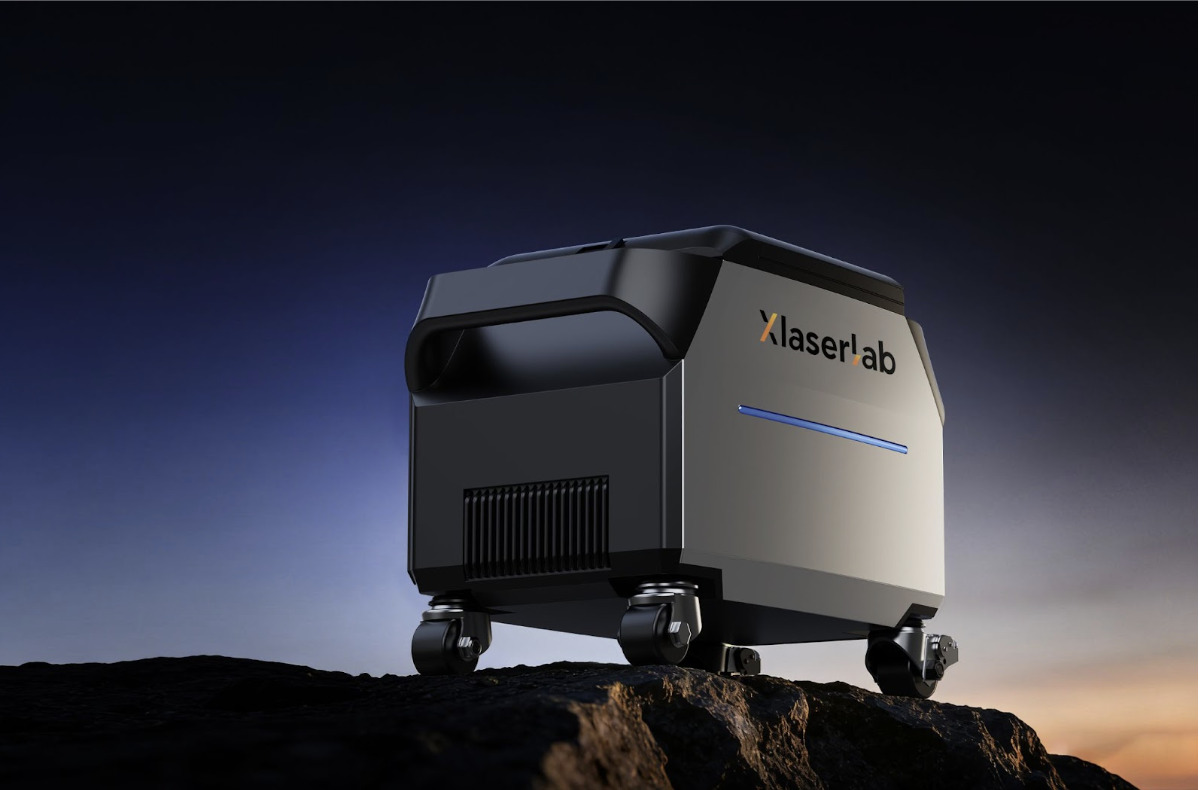
This shift has driven a transition away from aggressive chemicals and mechanical abrasion toward advanced photonic solutions. Innovative technologies, such as the Xlaserlab Q1 laser cleaning machine, are gaining traction as the new standard for hygienic surface maintenance—offering a pathway to compliance that is both sustainable and scientifically controllable.
The Compliance Risk of Traditional Cleaning
Stainless steel reactors sit at the heart of production. However, traditional cleaning methods introduce subtle risks that accumulate over time:
- Chemical Dependency: Chemical Clean-in-Place (CIP) is standard, but concerns regarding trace residues and the environmental cost of disposal are rising. In high-purity pharma applications, cross-contamination from cleaning agents themselves is a critical failure point.
- Micro-Surface Degradation: Mechanical scrubbing or blasting removes contamination by abrasion. Over time, this creates micro-scratches, altering the surface roughness (Ra value) of the stainless steel. These microscopic valleys become harborage points for biofilms and bacteria, making future cleaning cycles less effective and increasing the risk of batch contamination.
- Audit Uncertainty: Manual cleaning varies by operator. In an industry that demands validation, this variability creates uncertainty during regulatory inspections.
The Q1 Solution: Control at the Micron Level
To meet the stringent requirements of GMP (Good Manufacturing Practice), manufacturers need a cleaning method that is as precise as their production process. The Xlaserlab Q1 delivers this by providing a non-contact, chemical-free solution that preserves the integrity of the base material.
This is why forward-looking facility managers are standardizing on the Xlaserlab Q1 as part of their long-term GMP compliance and risk-control strategy, rather than relying solely on chemical or mechanical cleaning.
Preserving Surface Roughness (Ra) with MOPA The most critical asset in a pharmaceutical vessel is its polished surface. The Q1 utilizes MOPA (Master Oscillator Power Amplifier) technology, which allows for precise control over pulse width and frequency. Unlike continuous-wave lasers that might heat the steel, the Q1 enables “cold ablation”. It vaporizes residues, biological films, and oxidation without thermally affecting the stainless steel or altering its surface finish. This ensures that the vessel remains perfectly smooth and resistant to bacterial growth.
Mobility for Confined Spaces Large fermenters and storage tanks often require confined space entry for maintenance. The Q1’s 17kg suitcase-style design allows maintenance teams to easily transport the unit into cleanrooms or lower it into tank interiors. This mobility ensures that even hard-to-reach weld seams and corners receive the same high-precision cleaning as accessible surfaces.
Practical Applications in Regulated Facilities
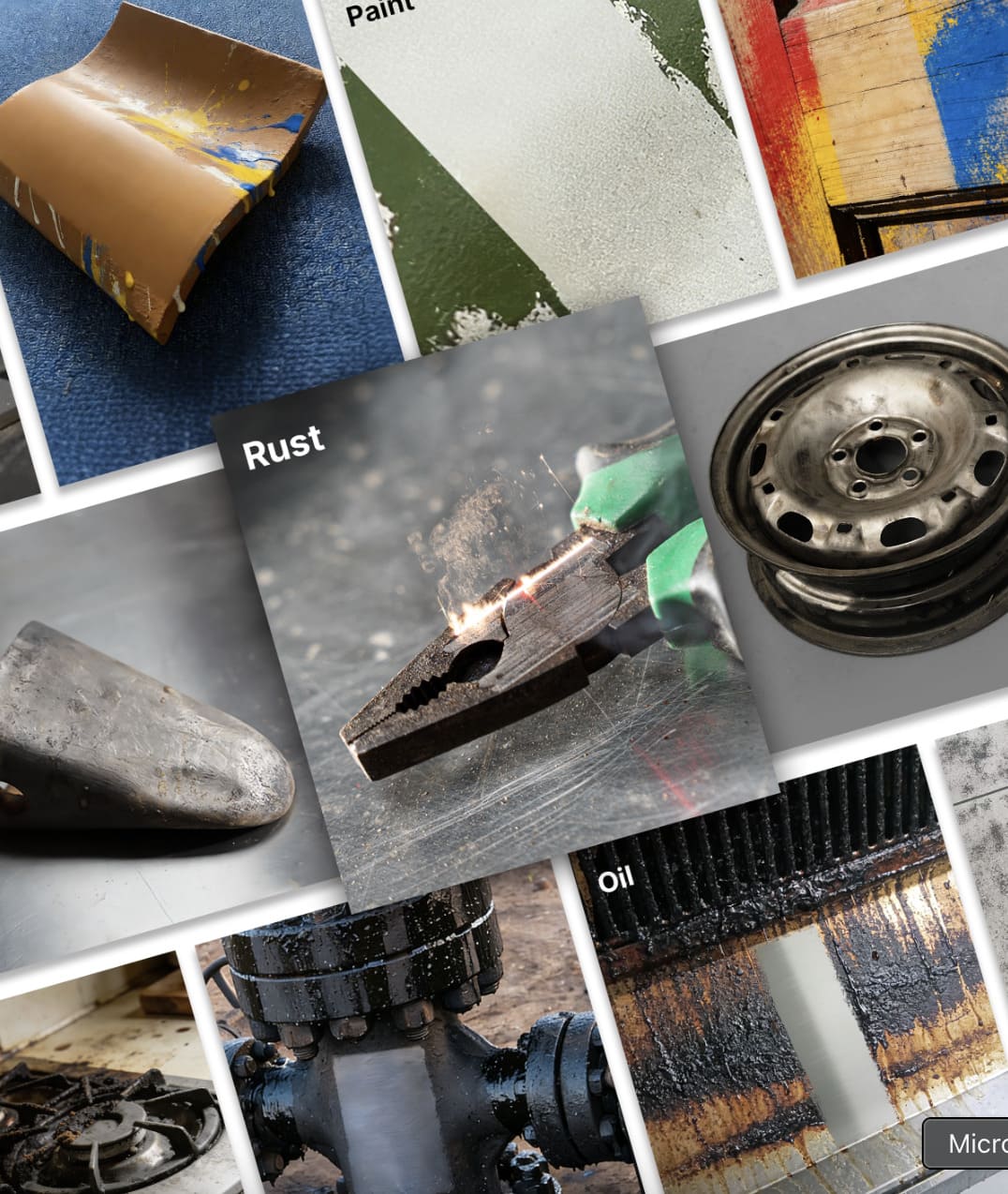
The adoption of advanced laser cleaning is reshaping maintenance workflows across the industry:
- Pharmaceutical Reactor Turnover Between batches of active pharmaceutical ingredients (APIs), reactors must be stripped of all residues. Laser cleaning provides a verifiable “reset” of the surface without introducing new chemical variables, ensuring zero cross-contamination.
- Food & Beverage Fermenters In brewing and dairy processing, mineral stones and organic biofilms can build up over time. The Q1 removes these layers effectively without the need for harsh acids or heavy mechanical grinding that could thin the vessel walls over years of service.
- Audit-Ready Maintenance By digitizing and standardizing the cleaning parameters (power, speed, width), the Q1 allows facilities to document their maintenance process. This turns cleaning from a manual chore into a validated process step that supports audit readiness.
Strategic Benefits: Sustainability and Stability
Adopting controlled, non-contact cleaning solutions offers benefits that extend beyond the factory floor to the boardroom:
- ESG Compliance: By eliminating tons of chemical wastewater and reducing energy consumption, laser cleaning aligns directly with corporate sustainability goals.
- Extended Asset Lifespan: By preventing surface degradation during cleaning, expensive reactors and tanks remain in service longer, maximizing Return on Assets (ROA).
- Operational Resilience: A predictable cleaning process means predictable downtime, allowing for tighter production scheduling and higher overall equipment effectiveness (OEE).
Conclusion
In regulated industries, hygiene is not just about cleanliness; it is about control. As standards evolve, the methods used to achieve them must advance as well.
Solutions like the Xlaserlab Q1 illustrate how laser-based cleaning can be integrated into long-term compliance strategies. By integrating solutions like the Xlaserlab Q1 into long-term maintenance strategies, food and pharmaceutical manufacturers can move from reactive sanitation to proactive compliance—protecting product safety, satisfying auditors, and safeguarding brand trust over the full lifecycle of their stainless steel assets.
The photos in the article are provided by the company(s) mentioned in the article and are used with permission.
Disclaimer: This article contains sponsored marketing content. It is intended for promotional purposes and should not be considered as an endorsement or recommendation by our website. Readers are encouraged to conduct their own research and exercise their own judgment before making any decisions based on the information provided in this article.