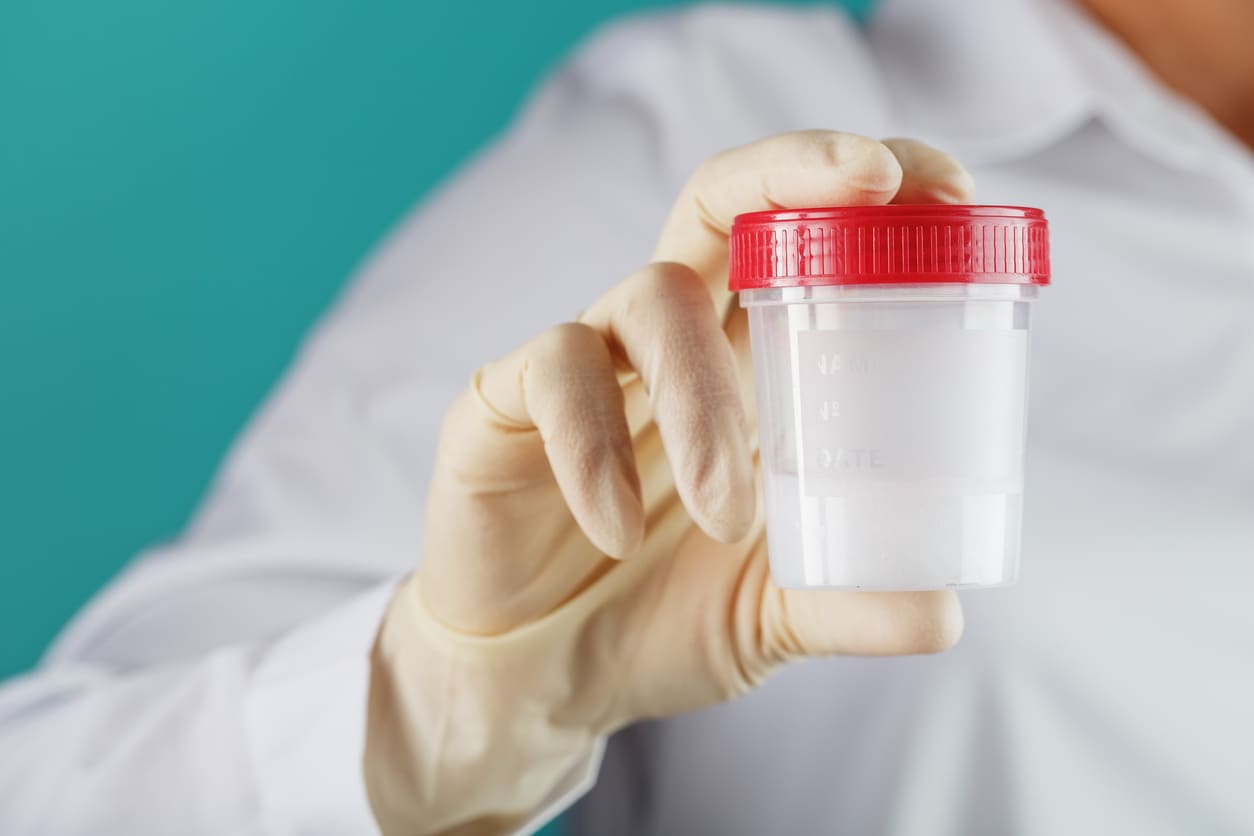
Global sperm counts have declined by more than 50% over the past four decades, according to researchers tracking reproductive trends across North America, Europe, and Australia. Against this backdrop, interest in accessible, discreet male fertility testing has surged — and the at home sperm test has shifted from niche product to mainstream health tool.
For men who want to understand their reproductive health without a clinic visit, modern home sperm test kits offer a practical alternative. The global sperm count test market was valued at approximately USD 2.36 billion in 2024, with at-home kits accounting for 52% of that market share. Industry analysts project that figure to reach USD 3.92 billion by 2032, driven largely by demand for privacy, convenience, and repeat testing.
Why Male Fertility Testing Is Becoming Standard Practice
Male infertility is a factor in approximately half of all cases where couples find it difficult to conceive, yet fertility investigations have historically focused predominantly on women. That picture is shifting. Research shows that male fertility testing devices now represent 38% of the global fertility testing devices market — a share that reflects growing awareness among men’s health professionals and the broader public.
The Role of Declining Sperm Counts
The 35–40 age group has shown the highest growth in at home sperm test usage, with men increasingly seeking early insight into their reproductive health. This aligns with broader trends in preventative healthcare, where early screening is prioritised over reactive diagnosis. Low sperm count (oligospermia), poor sperm motility, and abnormal sperm morphology are among the most common findings in semen analysis — all parameters that can now be assessed from home.
Stigma, Privacy, and the Shift Toward Home Diagnostics
For many men, attending a fertility clinic to provide a semen sample presents a barrier — whether due to embarrassment, cost, or limited access. An at home sperm test addresses these friction points directly, allowing men to collect and assess their semen sample in a private setting. Industry data consistently cites privacy as a primary driver of market growth, with digital tools and e-commerce making it easier to access reliable insights without a clinical referral.
How an At Home Sperm Test Works
Most modern home sperm test kits operate on similar principles, though the quality, accuracy, and range of parameters measured can vary significantly between devices. Understanding the test process helps men get the most useful results from their kit.
The Semen Sample Collection Process
To conduct the test, the user collects a semen sample at home, following step by step instructions provided in the test kit. The process typically involves collecting the sample in the supplied vessel, allowing it to rest for a short period to allow for natural liquefaction, then applying a small quantity to the test slide. The minimum quantity required is generally 1.5ml or above — consistent with the WHO’s established guidelines on normal sperm sample volume.
What the Device Measures
A semen analysis typically assesses sperm concentration (the number of sperm cells per millilitre), sperm motility (the percentage of motile sperm moving forward with progressive motility), and total ejaculate volume. More advanced home sperm test devices calculate total motile sperm count (TMSC) — the total number of motile sperm per ejaculate — widely considered a more accurate predictor of male fertility potential than sperm concentration alone.
Understanding Your Test Result
A test result from a home sperm test kit compares measured parameters against normal ranges. A normal sperm concentration is typically above 16 million sperm cells per millilitre, while progressive motility should be 30% or higher. A negative result — one outside normal ranges — may indicate issues worth discussing with a doctor or fertility professionals, though a single test result should always be considered alongside other reproductive health factors.
Step by Step Instructions and Safe Use
Most home sperm test kits include detailed step by step instructions provided within the packaging. It is important to follow these instructions correctly, including the recommended abstinence period before sample collection (typically 2–5 days), as abstinence duration can affect both sperm concentration and volume. Kits should be stored according to guidelines — generally in a dry place away from heat — and users should check the expiration date before conducting the test to ensure accurate results.
The Technology Behind Modern Home Sperm Test Kits
Early at home sperm test kits were limited to basic assessments — measuring only whether sperm concentration exceeded a threshold, with no data on motility or total motile sperm count. Advances in optics, smartphone integration, and CE certified medical device technology have significantly expanded what is possible outside a clinical setting.
Smartphone-Based Sperm Analysis
Several leading home test devices use a smartphone camera paired with a CE certified optical device to analyse sperm cells in real time. The World Health Organization has acknowledged that modern smartphones carry the optical precision required for accurate sperm analysis. These AI-powered devices assess sperm movement dynamically, calculating concentration, progressive motility, and total motile sperm count simultaneously — results that were previously accessible only through a fertility clinic.
CE Certified Devices and In Vitro Diagnostic Standards
For a home sperm test device to be sold in the UK as an in vitro diagnostic medical device, it must meet CE certified standards — assessed via British Standards Institute design examination and validated against professional laboratory equipment. Accurate results depend on this certification process: CE certified test kits must demonstrate that their measurements are statistically reliable and consistent with clinical semen analysis. Devices classified as in vitro diagnostic use products are subject to independent performance review, ensuring that the accuracy claims made by manufacturers are externally verified.
The ExSeed App and Total Motile Sperm Count
One device that emerged consistently in research on advanced home sperm test kits is ExSeed Health — a CE certified, smartphone-based system designed for use as a male fertility test from own home. ExSeed’s published external validation data reports an accuracy rate of over 95% when compared to advanced laboratory equipment. The ExSeed app guides users through the complete testing process, delivering a detailed fertility score covering volume, concentration, motility, and total motile sperm count — the same parameters assessed in most clinical semen analyses.
Trusted by more than 65,000 men, ExSeed Health has been endorsed by Sandy Christiansen, a Fertility Coach and Embryologist, who has described the device as enabling men to quickly and accurately understand their sperm health. The ExSeed Health at-home sperm test received the Best Fertility Product and Best Fertility Application awards at the 2024 Fertility Care Awards, and holds ISO 13485:2016 certification — a globally recognised standard for quality management in the medical device industry.
Vasectomy and Post-Procedure Sperm Checks
Some men use a home sperm test kit following a vasectomy to confirm the procedure was successful. Standard home test kits designed for internal use in fertility assessment may not be the intended use case for post-vasectomy checks — users in this situation should confirm with their doctor or the kit manufacturer whether the device is appropriate for that specific purpose. For general fertility concerns unrelated to vasectomy, a standard home sperm test remains the correct tool.
At Home Tests Versus Fertility Clinic Semen Analysis
The choice between a home sperm test kit and a formal semen analysis at a fertility clinic depends on individual circumstances. For most men seeking an initial assessment of their sperm health, home testing has become a practical and cost-effective first step.
Cost, Convenience, and Reliable Insights
A fertility clinic semen analysis typically costs £150 or more, requires an appointment, and involves providing a sperm sample on-site. A home sperm test kit reduces that cost substantially, with results available in minutes from own home. For men monitoring sperm quality over time — tracking the effect of lifestyle changes on sperm count and motility — the ability to repeat a home test provides reliable insights that a single clinic visit cannot.
Turnaround Time and Test Result Accessibility
Send-away laboratory services and traditional clinic tests can take several days to return a test result. Home sperm test kits typically return results within 15 minutes of sample application, allowing men to assess their sperm health on their own schedule without waiting for a laboratory report. Some devices also allow users to save and share detailed reports with fertility professionals or a doctor, bridging home testing and clinical follow-up.
When to Involve Fertility Professionals
Home testing is not a substitute for full clinical assessment in all situations. Men who receive a consistently negative result across multiple tests, those with known reproductive health conditions, or couples who have been trying to conceive for 12 months or longer are generally advised to seek evaluation from fertility professionals. A doctor or fertility specialist can conduct a comprehensive semen analysis, assess sperm morphology and other indicators not captured by home test kits, and determine whether treatment options such as IVF may be appropriate. Research suggests that improving sperm quality before IVF treatment may increase the number of healthy embryos by more than 50% — reducing the number of costly treatment cycles required.
Factors That May Affect Sperm Quality
Sperm health is sensitive to a range of lifestyle and environmental factors. Research suggests that diet, exercise, smoking, alcohol consumption, stress levels, and heat exposure may all affect sperm count, motility, and sperm morphology over time — though the extent to which these factors affect any individual will vary.
For couples who have recently stopped contraceptive use and are trying to get pregnant, understanding sperm health early can prove valuable. Among other things, factors called lifestyle variables — diet, heat exposure, and stress — may affect a sperm’s ability to fertilise an egg and reach normal concentration. When using a home sperm test kit, the foil wrapper on each test slide preserves the testing surface before use. Men uncertain about their next steps after a negative result should contact their doctor or seek the expertise of a qualified fertility professional.
Normal Ranges and What They Mean for Male Fertility
WHO guidelines establish standard benchmarks: normal sperm concentration above 16 million sperm cells per millilitre, progressive motility above 30%, normal morphology above 4%, and total semen volume above 1.5ml. Understanding these normal ranges helps men interpret their home sperm test result in context. Sperm quality is inherently variable — it can fluctuate due to illness, heat exposure, and stress — which is why research and fertility professionals consistently recommend conducting at least two separate tests before drawing conclusions about male fertility.
Sperm Morphology and Other Parameters
Sperm morphology — the shape and structure of sperm cells — is assessed in full laboratory semen analysis but is not measured by most home sperm test devices. While TMSC and concentration are strong predictors of fertility, sperm morphology remains an important parameter that a doctor may assess as part of a comprehensive investigation. Men whose home test results are within normal ranges but who are still experiencing fertility issues should discuss a full semen analysis with fertility professionals.
Tracking Sperm Health Over Time
One of the practical advantages of home sperm test kits is the ability to track changes in sperm quality over time. For men following specific dietary or lifestyle programmes intended to support reproductive health, repeated testing provides an objective measure of whether those changes are producing quantifiable results. Apps associated with advanced home test devices often store historical test results, allowing users to visualise trends in sperm concentration, motility, and total motile sperm count across multiple assessments.
The UK Market for At Home Sperm Testing
The United Kingdom holds approximately 6% of the global fertility testing devices market, supported by growing public health awareness around male reproductive health and an expanding network of online retail channels. Strong demand through UK pharmacies and direct e-commerce platforms, combined with discreet packaging and free domestic shipping offered by leading providers, has made home sperm test kits increasingly accessible to men across the country.
Privacy and the Growing Demand for Home Diagnostics
The shift toward home-based health diagnostics spans multiple areas of medicine, but reproductive health has been a particular beneficiary. The ability to test in a private, familiar setting — with no clinic visit required — has been identified in multiple market analyses as a key driver of growth in the home sperm test kit category. Privacy concerns are also cited as a reason men delay seeking assessment through traditional channels, making the private nature of home testing a significant factor in encouraging earlier intervention.
The Role of E-Commerce and Digital Health Tools in Male Fertility
The growth of home sperm test kits in the UK has been closely tied to the rise of digital health e-commerce. Directly-to-consumer sales allow men to research, purchase, and receive a home sperm test kit without any pharmacy consultation or clinical referral. Smartphone app integration, detailed user instructions, and access to fertility professionals via in-app messaging have made the process of conducting an accurate sperm test at home increasingly straightforward for first-time users.
Conclusion: Taking Control of Your Reproductive Health
The at home sperm test has evolved into a credible, medically certified tool for male fertility screening. As global sperm counts continue their decades-long decline and awareness of male reproductive health grows, home testing offers men a practical, private, and accurate means of assessing sperm quality — without requiring a fertility clinic visit. For those monitoring sperm health over time, the combination of CE certified devices, smartphone-based analysis, and detailed app reporting has made repeat testing from own home both accessible and reliable. Men who receive abnormal results, or who are actively trying to conceive and have fertility concerns, should use home test findings as the starting point for a conversation with fertility professionals.
Disclaimer: This article contains sponsored marketing content. It is intended for promotional purposes and should not be considered as an endorsement or recommendation by our website. Readers are encouraged to conduct their own research and exercise their own judgment before making any decisions based on the information provided in this article.