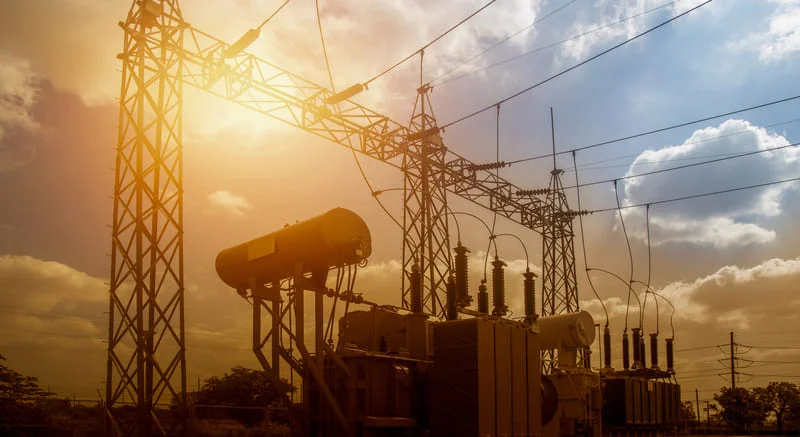
Light bulbs in our homes rely on a silent hero. Massive factory machinery and wide regional grids rely on it too. India alone plans to add over 1,91,000 circuit kilometers of new transmission lines by 2031–32, as outlined in the Central Electricity Authority’s National Electricity Plan, a scale of expansion that makes precision transformer engineering more critical than ever. This hero is the power transformer. We rarely think about these heavy metal boxes. They sit quietly in fenced-off substations. Yet, they are the ultimate gatekeepers of our modern lifestyle.
What internal component keeps this power flowing safely? How do we prevent sudden interruptions?
The transformer serves as the heart of our electrical grid.Inside the transformer, the magnetic core enables efficient magnetic flux transfer between the windings. The way workers wrap copper or aluminum wires dictates how well the system performs. High-quality components are the ultimate secret to success. Precision-engineered assemblies prevent grid failures, reduce energy waste and safely deliver electricity.
Understanding Magnetic Cores and Assemblies (The Simple Breakdown)
Let’s skip the complicated jargon. A transformer relies on a basic steel core. This core pairs neatly with wrapped metal conductors. These conductors are usually made of premium copper or aluminum.
The process of wrapping these wires is called transformer winding. Manufacturers choose a specific transformer winding type for each project. Common choices include foil, helical or disc layouts. These layouts optimize performance.
The coils are divided into High Voltage (HV) and Low Voltage (LV) sections. These setups change the voltage. They step it up for long-distance travel or step it down for safe local use.
Together, the steel core and the tightly wrapped coils form an integrated core coil assembly. Precise alignment during manufacturing is critical. It prevents rough steel edges, shifting parts and poor insulation. Misalignment of even a fraction of a millimeter creates long-term risks. It makes the energy transfer unstable.
Why Superior Winding and Assembly Are Essential for Grid Reliability
Transformer failures cause major problems. They can lead to local blackouts or expensive equipment repairs. Protecting the grid comes down to managing three hidden threats: electrical shorts, heat and moisture.
- Preventing Electrical Shorts: Workers place top-tier insulation material between the wire coils. This insulation prevents friction. It stops critical short circuits from jumping between layers of copper.
- Managing Thermal Demands: Moving electricity generates massive internal heat. The overall transformer core performance depends on keeping internal temperatures safe. Per the IEC 60076 standard, the maximum winding hot-spot temperature limit for oil-immersed transformers with Class A insulation is 98℃ under normal continuous loading. If the transformer winding temperature climbs beyond this hot spot limit, the internal paper insulation degrades exponentially faster, severely shortening the transformer’s lifespan. Precision winding leaves exact pathways for cooling fluids. ONAN systems rely on natural oil convection through the transformer, while ONAF adds external forced-air fans on radiators to improve heat dissipation, both keeping the internal temperatures safe under load.
- Reducing Moisture and Stress: Moisture is the natural enemy of electrical insulation. Specialized industrial furnaces bake the units during assembly. This process removes trace moisture from the wires. Next, vacuum drying processes pull out any remaining microscopic moisture. This careful drying stops the insulation from breaking down early. It maintains crucial electrical strength for decades.
Minimizing Energy Losses: Copper vs. Core Losses
Energy can easily turn into wasted heat during its long journey. In the utility world, these inefficiencies fall into two major buckets: core losses and winding losses.
| Loss Category | Primary Cause | How to Minimize It |
| Core Losses | Magnetic friction inside the steel frame | Using optimized core shapes and thin steel sheets |
| Winding Losses | Electrical resistance inside the coils | Using premium, low-resistance copper or aluminum wires |
Careful transformer coil winding reduces physical resistance. Lower resistance means electricity flows more easily. Combining clean winding with optimized steel shapes maximizes energy efficiency. Saving even a fraction of a percent in efficiency saves money. It directly lowers operational and maintenance costs over time.
Industrial Integration: How Leaders Secure the Power Grid
Dependable assemblies require a completely controlled manufacturing environment. Leading factories utilize controlled, low-dust environments during the assembly process. This clean air stops tiny particles from settling into the insulation and causing future electrical faults.
Total factory integration is the modern industry standard. Companies should manage the entire production sequence under one roof. This process includes raw steel cutting, slitting, precise HV/LV winding and final assembly. Relying on one factory eliminates the risks of using fragmented suppliers.
In-house testing laboratories verify final performance metrics. This full control ensures every component is durable enough to survive decades of continuous operation.
Conclusion
The core coil assembly is completely hidden from view. It sits sealed inside a heavy, oil-filled steel tank. Even so, it remains the absolute backbone of reliable power transmission worldwide.
Modern industrial projects are expanding rapidly. Cities are growing and renewable energy sectors are plugging in new solar and wind farms. Because of this growth, the global demand for precision-engineered components is higher than ever.
As power networks evolve, manufacturers like Mangal Electrical Industries Limited play an important role in delivering the components that support long-term grid reliability.