You know the feeling: it’s 2 a.m., and you’ve already shifted positions a dozen times. Your lower back throbs, your hips ache, and every adjustment seems to trade one pain for another. For the millions living with chronic conditions like sciatica and fibromyalgia, this nightly battle isn’t occasional—it’s relentless. Traditional pillows and even specialized wedges often fall short, addressing one pressure point while neglecting the interconnected support your body desperately needs.
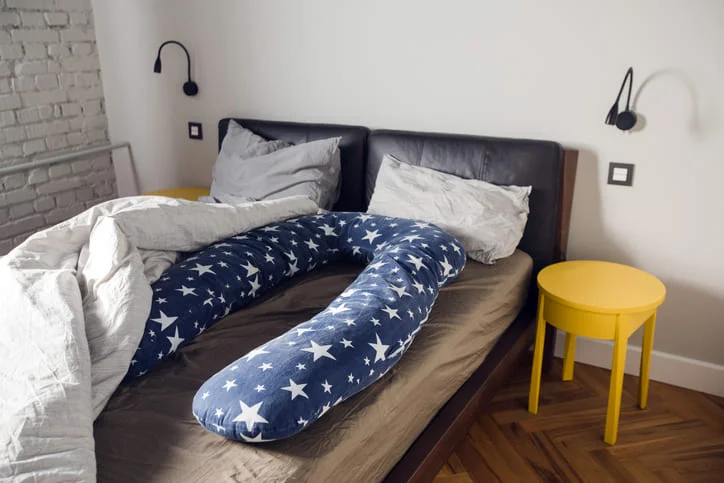
Enter the U-shaped pillow—a sleeping aid that has long been associated with pregnancy comfort but is now gaining recognition as a powerful tool for chronic pain management. Its wraparound design cradles the entire body simultaneously, offering something no standard pillow can: continuous, adaptive support from head to toe. This article explores exactly why a U-shaped pillow outperforms other solutions for chronic pain relief, how its ergonomic design targets conditions like sciatica and fibromyalgia, and practical ways to integrate this versatile comfort pillow into your nightly routine for lasting results.
The Science Behind U-Shaped Pillows and Targeted Pain Relief
Chronic pain doesn’t exist in isolation—it radiates, refers, and compounds across interconnected muscle groups and nerve pathways. This is precisely why isolated support solutions fail. A single pillow under your head does nothing for the hip that’s rotating forward, compressing your lumbar spine, and aggravating the sciatic nerve running down your leg. The U-shaped pillow addresses this reality through simultaneous multi-point support, distributing body weight across a larger surface area and dramatically reducing pressure concentration at any single joint.
The ergonomic principle at work is neutral spinal alignment under load. When your spine maintains its natural curvature—cervical, thoracic, and lumbar—nerve roots exit the vertebral column without compression. The U-shaped design achieves this by cradling the head and neck at one end while its elongated arms run parallel to the torso, supporting the knees, hips, and ankles simultaneously. For sciatica sufferers, this means the piriformis muscle relaxes when the legs are properly separated and supported, releasing its grip on the sciatic nerve. The result is reduced radiating pain down the leg and fewer nighttime wake-ups from nerve firing.
For those with fibromyalgia, the challenge differs but the solution overlaps. Fibromyalgia creates widespread tender points where even moderate pressure triggers disproportionate pain. A comfort pillow with continuous contouring eliminates the hard gaps between traditional pillows where unsupported tissue bears concentrated load. The gentle, even compression of a U-shaped sleeping aid essentially mimics the therapeutic principle behind pressure-distribution mattresses, but with the adaptability to conform to your unique body geometry each night.
What Makes a U-Shaped Pillow Unique for Chronic Conditions
Traditional pillows support one area at a time—your head, or the space between your knees, or your lower back. Body pillows improve on this by offering a longer support surface, but they still require you to choose between front support and back support. The U-shaped pillow eliminates this compromise entirely. Its 360-degree wraparound structure means you’re cradled from both sides simultaneously, preventing the unconscious rolling and twisting that destabilizes joints during sleep. For someone with chronic pain, this containment isn’t restrictive—it’s liberating. Your body stops searching for a stable position because stability is built into the environment around you. The contouring effect along hips, back, and neck creates what physical therapists call “positional security,” allowing muscles to fully release tension rather than maintaining protective guarding patterns throughout the night.
Versatile Support for Every Sleeping Position: Maximizing Comfort
One of the most frustrating aspects of chronic pain is that your preferred sleeping position often becomes your worst enemy. Side sleeping compresses one hip while leaving the other unsupported. Back sleeping allows your lumbar spine to flatten against the mattress. Stomach sleeping torques the cervical spine into rotation. Each position carries trade-offs that conventional pillows cannot fully resolve because they address only one contact point in a multi-dimensional problem. The U-shaped pillow transforms this equation by providing versatile support that adapts to your position rather than forcing you to adapt to it. Originally designed as a pregnancy pillow—where women need simultaneous belly, back, and leg support—this comfort pillow has proven equally effective for anyone whose body demands comprehensive positional accommodation throughout the night.
Side Sleepers: Alleviating Hip and Shoulder Pain
Side sleeping is the most commonly recommended position for sciatica because it can open the spinal canal and reduce nerve root compression—but only when executed with proper alignment. Without support between the knees, the top leg drops forward, rotating the pelvis and pulling the lumbar spine into torsion. This is where the U-shaped pillow excels as a sleeping aid. Position yourself inside the curve so that one arm of the pillow supports your head and neck while the other runs between your knees and ankles. The leg separation maintains a neutral pelvis, preventing the femur from internally rotating and compressing the piriformis muscle against the sciatic nerve. For fibromyalgia sufferers, the pillow’s continuous surface along your back provides gentle contact that prevents the exposed-side tenderness that occurs when muscles tense against unsupported air gaps. Your shoulder settles into the head portion rather than bearing your skull’s full weight, reducing the rotator cuff compression that triggers morning stiffness.
Back and Stomach Sleepers: Customizing Support
Back sleepers benefit from draping their legs over the lower curve of the U-shape, which elevates the knees slightly and tilts the pelvis into a position that restores lumbar curvature. The arms of the pillow rise alongside the torso, providing lateral boundaries that prevent your arms from falling outward and pulling the shoulders into extension—a common trigger for thoracic pain and fibromyalgia flare-ups in the upper back. For the less common stomach sleeper dealing with chronic pain, the U-shaped pillow offers a modified approach: position the base of the U under your chest and upper abdomen to reduce the extreme lumbar extension that stomach sleeping typically forces. The elevated torso decreases the angle of spinal hyperextension while the arms of the pillow keep your body from rolling fully flat. This adaptability is what separates the U-shaped design from rigid wedges or flat body pillows—it functions as a versatile comfort pillow that meets your body where it naturally wants to rest, then gently corrects toward therapeutic alignment.
Step-by-Step Guide: Using Your U-Shaped Pillow for Optimal Pain Management
Owning a U-shaped pillow is one thing—using it strategically for chronic pain relief is another. Many people place the pillow on their bed and hope for the best, but intentional setup and consistent technique make the difference between marginal improvement and transformative sleep quality. The following guidance translates ergonomic principles into practical, repeatable actions that address specific pain conditions while building the sleep habits your body needs for long-term recovery.
Setting Up Your Pillow: A Detailed Tutorial
Start by placing the U-shaped pillow on your bed with the closed curve at the headboard and the two arms extending toward the foot of the bed. Before climbing in, assess your primary pain hotspots—this determines how you’ll adjust the pillow’s positioning. If sciatica dominates your left side, you’ll want slightly more fill density in the arm that will separate your legs, ensuring adequate hip spacing to decompress the piriformis. Fluff or redistribute the filling in that section until it feels firm enough to maintain knee separation without collapsing under leg weight overnight.
For head and neck positioning, the curved top section should cradle your head at a height that keeps your cervical spine neutral—your nose should align with your sternum when lying on your side, not tilt upward or downward. If the pillow sits too high, remove some filling from the head section or fold the fabric under to reduce loft. If you experience fibromyalgia tenderness across your upper back and shoulders, pull the arms of the pillow slightly forward so they make gentle contact with your chest and back simultaneously, creating that pressure-distribution effect that prevents tender point activation. The goal is eliminating all air gaps between your body and the support surface, so no single area bears disproportionate load. Adjust nightly until you find your configuration—then keep it consistent. Your body learns to relax faster when it recognizes a familiar, supportive environment.
Daily Routines to Enhance Long-Term Relief
The pillow works best as part of a broader pain management routine rather than a standalone fix. Fifteen minutes before bed, perform gentle stretches that complement the pillow’s support—a supine piriformis stretch releases the muscle before the pillow maintains that openness throughout sleep, while a doorway chest stretch counteracts the forward-shoulder posture that contributes to upper back fibromyalgia pain. These stretches prepare your muscles to accept the pillow’s positioning rather than fighting against it with residual tension.
Consistency matters more than perfection. Use your U-shaped sleeping aid every night, even when pain feels manageable, because the cumulative effect of proper alignment prevents flare-up cycles rather than merely responding to them. Keep the pillow’s cover washed weekly to maintain hygiene and fabric responsiveness—compressed, unwashed covers lose their smooth contouring properties. Health-conscious individuals managing chronic conditions should also note their pain levels each morning for the first two weeks, adjusting pillow positioning based on which areas still report discomfort. This feedback loop transforms the comfort pillow from a passive accessory into an active therapeutic tool that evolves with your body’s changing needs.
Choosing the Right U-Shaped Pillow: A Buyer’s Guide for Health-Conscious Individuals
Not all U-shaped pillows deliver the same therapeutic results, and selecting the wrong one can mean the difference between waking refreshed and waking disappointed. The market has expanded significantly beyond basic pregnancy pillows, with options now engineered specifically for chronic pain management. Understanding what separates a mediocre comfort pillow from an effective sleeping aid requires evaluating materials, construction, and how each design element serves your specific condition. Memory foam varieties conform closely to body contours, making them excellent for fibromyalgia sufferers who need even pressure distribution without firm resistance against tender points. However, memory foam retains heat, which can be problematic for those whose pain worsens with elevated body temperature. Microfiber and hollow-fiber alternatives offer better airflow and a softer, more cloud-like support that some sciatica patients prefer because it allows slight positional shifts without resistance. The trade-off is that softer fills compress more readily, potentially losing the knee separation needed for piriformis relief by morning. Compared to wedge pillows or standard body pillows, the U-shaped design eliminates the need for multiple separate supports that shift apart during sleep—a single integrated structure maintains its therapeutic configuration from the moment you fall asleep until your alarm sounds.
Key Features to Look For: Ensuring Maximum Support
Prioritize adjustable filling above almost everything else. Chronic pain is not static—it migrates, intensifies, and recedes based on activity levels, weather, and stress. A pillow with a zippered inner liner that allows you to add or remove filling lets you customize loft and firmness for your head section independently from the leg section. Look for hypoallergenic materials if you’re managing fibromyalgia, since allergic reactions can trigger inflammatory responses that worsen widespread pain. A removable, machine-washable cover isn’t a luxury—it’s essential for maintaining the smooth surface texture that prevents skin friction and pressure point irritation. Check the pillow’s total length against your height; if the arms don’t extend past your knees, you’ll lose ankle support and your lower legs will collapse inward overnight. Finally, examine the stitching density at the curved head section, as this area bears consistent load and cheap construction leads to filling migration within weeks, creating flat spots exactly where cervical support matters most.
Top Recommendations and Usage Tips
Brands specializing in orthopedic sleep solutions and maternal comfort—such as Momcozy, which built its reputation on supportive pregnancy pillows before expanding into broader wellness products—tend to produce U-shaped pillows with the structural integrity chronic pain demands. Look for companies that offer trial periods, since it takes roughly two weeks of consistent use to determine whether a pillow’s support profile matches your pain pattern. When integrating a new U-shaped pillow into your routine, resist the urge to combine it with your existing pillows. Adding extra head pillows disrupts the cervical alignment the U-shape is designed to provide, and wedging additional support between your knees overrides the calibrated spacing of the pillow’s arms. Instead, commit to using the U-shaped sleeping aid as your complete sleep system for at least fourteen consecutive nights. If you travel frequently, consider a compressible microfiber version as a secondary pillow—maintaining consistent support even away from home prevents the pain regression that often follows disrupted sleep environments. This versatile comfort pillow, originally popularized as a pillow for pregnancy, proves its broader value when chosen thoughtfully and used as a dedicated therapeutic tool rather than a casual bedroom accessory.
Reclaim Your Sleep with Comprehensive U-Shaped Pillow Support
Chronic pain demands more than piecemeal solutions—it requires comprehensive, consistent support that respects how interconnected your body truly is. The U-shaped pillow delivers exactly this by maintaining spinal alignment, separating pressure-sensitive joints, and eliminating the unsupported gaps that trigger pain flare-ups during sleep. For sciatica sufferers, it keeps the piriformis relaxed and the sciatic nerve decompressed throughout the night. For those managing fibromyalgia, its continuous contouring surface distributes pressure evenly across tender points, preventing the localized overload that conventional pillows create.
What makes this sleeping aid genuinely superior is its adaptability—functioning seamlessly for side, back, and stomach sleepers while serving as a complete sleep system rather than one piece of a multi-pillow puzzle. Far beyond its origins as a pillow for pregnancy, the U-shaped comfort pillow stands as a non-invasive, drug-free tool that health-conscious individuals can integrate immediately into their pain management strategy. If chronic pain has been stealing your sleep, investing in a quality U-shaped pillow and committing to consistent, intentional use may be the simplest change that yields the most profound relief.
Disclaimer: This article contains sponsored marketing content. It is intended for promotional purposes and should not be considered as an endorsement or recommendation by our website. Readers are encouraged to conduct their own research and exercise their own judgment before making any decisions based on the information provided in this article.