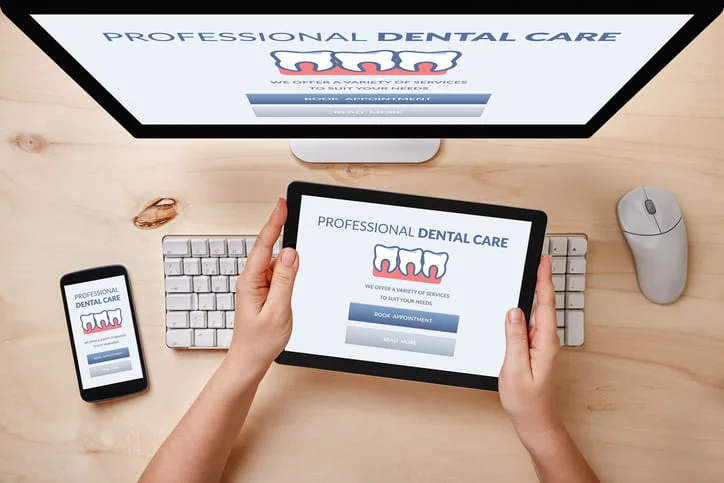
A dental practice’s website is often the first point of contact for potential patients. An effective website not only communicates professionalism but also builds trust and drives engagement. Crafting a website tailored to the dental industry requires strategic planning, user-focused design and ongoing optimisation.
Prioritise User Experience and Intuitive Navigation
A successful dental website starts with a strong focus on user experience. Visitors should be able to find key information, such as services, contact details and team profiles, quickly and without confusion. Clear menus, logical page hierarchies and prominent calls-to-action like “Book Appointment” or “Contact Us” guide users efficiently and reduce frustration.
Simplifying navigation helps patients focus on what matters: understanding treatments and scheduling appointments. Thoughtful design ensures that users don’t feel overwhelmed or lost, which can directly impact conversion rates and overall patient satisfaction.
Optimise for Mobile Devices and Speed
With the increasing use of smartphones to search for local healthcare services, mobile responsiveness is essential. A dental website that adapts seamlessly to different screen sizes provides a consistent experience for all visitors. Slow or poorly optimised sites can frustrate users, causing them to leave before booking an appointment.
Optimising images, using fast hosting solutions and streamlining site code are key ways to improve performance. A responsive, fast-loading website not only keeps visitors engaged but also signals professionalism and reliability, helping to convert casual visitors into patients.
Build Trust Through Professional Content and Visuals
Trust is paramount in the dental industry. High-quality visuals of the clinic, staff and treatment environments help create a welcoming and credible impression. Including detailed descriptions of services, educational content and team bios communicates expertise and transparency.
Patient testimonials and before-and-after treatment photos further enhance credibility. These elements reassure prospective patients that they are making an informed choice and encourage them to engage with the practice. Consistency in branding through colours, fonts and tone reinforces professionalism and leaves a lasting impression.
Integrate Patient-Centric Features
Functionality is just as important as aesthetics. Features that simplify patient interactions, such as online booking, appointment reminders and click-to-call buttons, enhance convenience and streamline communication. Interactive elements, like treatment guides or FAQ sections, allow patients to find answers independently while reducing administrative workload for staff.
By integrating tools that make scheduling and inquiries effortless, a dental website can improve patient retention and satisfaction. Providing clear, accessible pathways for engagement ensures patients feel supported from the first visit to ongoing care.
Focus on Search Visibility and Local Reach
Even the most visually appealing dental website is ineffective if it isn’t visible to potential patients. Optimising content for search engines ensures that a practice appears in relevant searches, particularly for local patients. Service-specific pages, clear headings and informative content all contribute to higher search visibility.
For dental practices, local targeting is crucial. Highlighting location, service areas and nearby landmarks makes it easier for patients to find and choose the practice. Coupled with professional website design, these strategies enhance both reach and patient acquisition.
Invest in Professional Design and Continuous Improvement
A high-quality dental industry website design can set a practice apart. Partnering with experts ensures that the website meets modern design standards, aligns with branding and functions smoothly across devices. For practices looking to elevate their online presence, professional dental industry website design provides tailored solutions that combine aesthetics, functionality and user experience.
Continuous monitoring and updates are also essential. Analysing user behaviour, tracking conversion rates and updating content regularly keeps the website relevant and effective. This ongoing approach ensures the site evolves alongside patient needs and industry trends.
In Summary
Building an impactful dental website involves more than attractive visuals. It requires a focus on user experience, mobile optimisation, trust-building content, patient-centric features and search visibility. By investing in professional design and maintaining a strategic, adaptive approach, dental practices can create websites that not only attract visitors but also convert them into loyal patients. A well-executed website becomes a cornerstone for long-term growth, credibility and patient engagement.