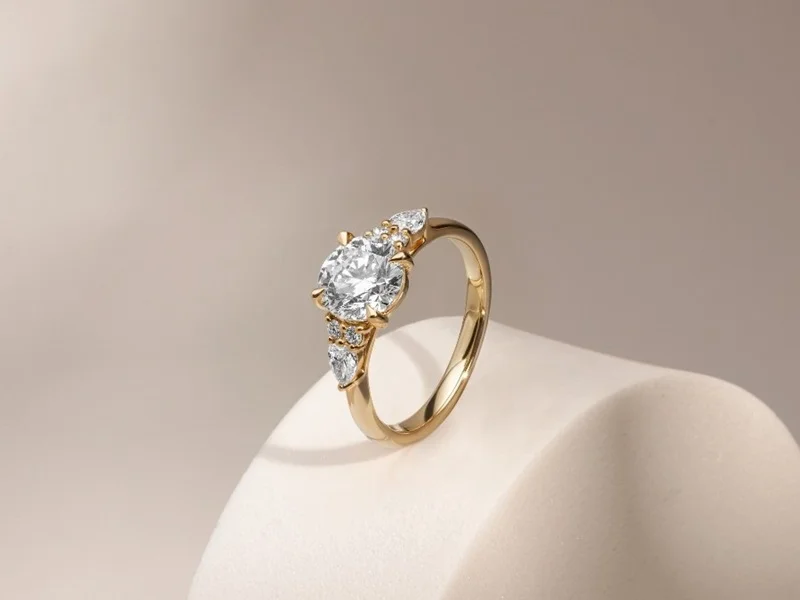
Technology is transforming engagement-ring shopping, giving couples greater choice, clearer information and new ways to compare diamonds, designs and prices.
Technology has changed almost every stage of the modern shopping journey, from discovering products and comparing prices to researching reviews and making informed purchasing decisions. Engagement rings are no exception. A purchase that was once largely shaped by visiting a local jeweller is now often preceded by weeks of online research.
For couples, this shift brings greater choice and access to information. They can explore diamond shapes, compare designs, understand certification and investigate different types of diamonds before ever stepping into a showroom.
At the same time, engagement rings remain highly personal purchases. Technology may influence how people discover and research jewellery, but expertise, trust and human interaction continue to play an important role in the final decision.
Why Has Engagement Ring Shopping Become More Digital?
The traditional engagement ring journey often started with a visit to a jewellery shop. Today, many couples begin with a search engine, social media platform or online jewellery collection.
Digital platforms make it easier to explore a wide range of designs in a relatively short period. Someone considering a round diamond can compare it with an oval, emerald or cushion shape without visiting multiple shops. They can also research different settings, metals and price points before deciding which options are worth exploring in person.
This has created a more informed consumer. Rather than entering a showroom with little knowledge, buyers can arrive with a shortlist of preferred designs and questions. They may already understand the basics of diamond quality, have researched certification and know whether they are interested in a natural or laboratory-grown stone.
For jewellery businesses, this means the customer journey increasingly begins before the first face-to-face conversation.
Why Does Location Still Matter in a Digital-First Market?
If almost everything can be researched online, does visiting a jewellery district still matter? For high-value and emotionally significant purchases, physical experience remains difficult to replace.
London’s jewellery sector provides a good example. Couples researching engagement rings London may discover hundreds of designs online, but visiting a specialist allows them to see diamonds and settings under different lighting, try rings on and discuss ideas with someone who understands the technical aspects of jewellery.
Areas such as Hatton Garden have long been associated with London’s jewellery trade. The continued relevance of physical jewellery businesses demonstrates that digital and traditional retail do not necessarily need to compete.
Instead, they can work together. A customer might discover a ring online, research the diamond independently, book a consultation digitally and then visit a showroom to make the final decision.
How Are Lab-Grown Diamonds Changing Consumer Choice?
One of the most significant developments in the modern diamond market is the availability of laboratory-grown diamonds.
Lab-grown diamonds are real diamonds produced through technological processes rather than geological formation. The Gemological Institute of America notes that they have essentially the same chemical composition, crystal structure and physical properties as natural diamonds, although their different growth histories allow specialists to distinguish them using advanced testing.
Two principal production methods are used: Chemical Vapour Deposition (CVD) and High Pressure High Temperature (HPHT). These technologies have expanded the range of diamond choices available to consumers.
For couples, the significance is not simply technological. It is about having more options.
Some buyers continue to value the geological history and natural origin of a mined diamond. Others are interested in lab grown diamonds because they provide another route to selecting a diamond according to their preferences and budget.
The important change is that consumers can now make a more informed decision between distinct options rather than assuming there is only one route to buying a diamond.
Compare natural vs lab-grown diamonds
Does Technology Make the Jeweller Less Important?
It might seem that greater online access would reduce the importance of traditional jewellery specialists. In reality, the opposite can be true. The more information consumers encounter, the more questions they may have.
Online research can explain the basics of diamond grading, but it cannot always replace the experience of seeing different stones in person, comparing proportions or understanding how a particular setting looks on the hand.
A specialist can also help put information into context. Two diamonds may have similar grades on paper but appear different because of their cut, proportions or individual characteristics.
This is where the modern jewellery experience is becoming a combination of digital convenience and human expertise. Technology helps customers discover and narrow down their choices. A knowledgeable jeweller can then help them understand those choices in greater depth.
What Should Buyers Research Before Visiting a Jeweller?
Greater access to information has also changed what consumers expect from jewellery businesses.
Before making an appointment, couples can investigate the retailer, read customer reviews, compare collections and learn about aftercare services. This preliminary research can make an in-person consultation much more productive. A useful ring buying checklist can include several areas:
- Diamond shape and preferred style
- Natural or laboratory-grown origin
- Diamond certification
- Cut, colour, clarity and carat
- Ring setting and metal
- Budget and overall value
- Ring size and potential resizing
- Warranty and aftercare
- Delivery or production times
- The jeweller’s reputation and expertise
This approach moves the buying process away from simply finding the most attractive ring and towards understanding the complete purchase.
Is Personalisation Becoming More Important?
Technology has also contributed to a wider expectation of personalisation.
Consumers are increasingly accustomed to selecting products according to their individual preferences. From customised clothing and furniture to personalised digital experiences, people are becoming less interested in a one-size-fits-all approach. Engagement rings naturally lend themselves to this shift.
Couples can explore different combinations of diamond shapes, settings, metals and design details. Instead of simply selecting a finished product, they can increasingly participate in the creative process.
This is particularly relevant for engagement rings because the purchase already carries a strong emotional and personal dimension. The technology may help customers discover possibilities, but the final design still needs to reflect the person who will wear it.
What Could the Future of Engagement Ring Shopping Look Like?
The future is unlikely to be completely digital or completely traditional. Instead, the two experiences are likely to become increasingly connected. Online platforms will continue to make discovery and comparison easier. Consumers will have access to more information, more diamond options and increasingly sophisticated digital tools.
At the same time, physical consultations will remain valuable for purchases where customers want reassurance, expertise and the opportunity to experience a product before committing. The jewellery businesses best positioned for this changing environment may therefore be those that can connect both sides of the journey.
A customer should be able to research independently, understand their options, communicate their preferences online and then receive expert guidance when they are ready to make a decision.
Technology Is Changing the Journey, Not the Meaning
The way couples shop for engagement rings may be changing, but the emotional significance of the purchase remains.
Technology has made the process more transparent, accessible and information-rich. It has introduced new choices, including laboratory-grown diamonds, and allowed consumers to investigate products long before speaking to a jeweller. Yet an engagement ring is still ultimately about a personal decision.
The most important development may therefore not be that technology is replacing traditional jewellery shopping. Instead, it is giving couples greater control over the journey from the first online search to the moment they finally choose a ring.
For jewellery businesses, that creates a clear challenge and opportunity: use technology to make the customer better informed, while preserving the expertise, craftsmanship and personal service that make an engagement ring purchase meaningful.