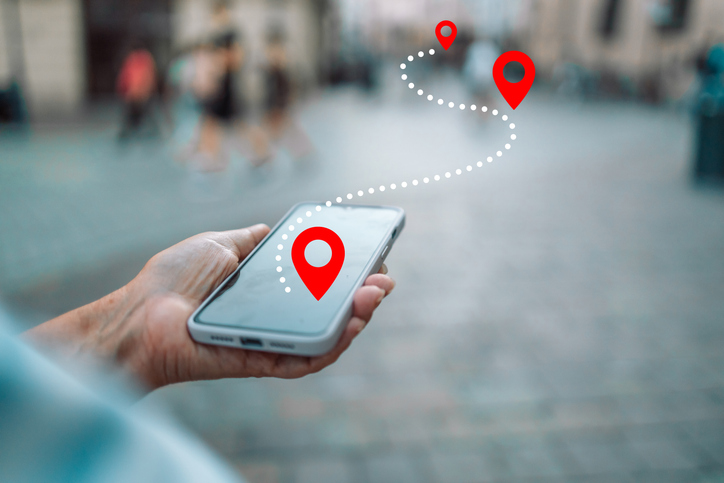
Many businesses struggle to help visitors find their way inside large buildings. Visitors often get lost or spend too much time searching for rooms, offices, or services. This can lead to stress, wasted time, and missed appointments.
Studies show that up to 30% of people get lost in big buildings like hospitals or airports. This creates problems not only for guests but also for staff who try to help them.
This article will explain how tracking visitor movement can help you understand how people navigate your space. You will learn simple ways to collect and study this data using modern tools.
Read on to see how mapping visitor behavior can lead to better design and an easier experience for everyone.
The Role of Data in Wayfinding
Data plays a crucial part in wayfinding. It helps businesses track visitor navigation patterns to enhance their experiences.
Collecting Visitor Navigation Patterns
Sensors and digital mapping tools record how visitors move through buildings. Mobile wayfinding apps track user paths, QR code scans, and search history to gather real-time navigation data.
Interactive kiosks log destinations selected by users, while Wi-Fi signals or Bluetooth beacons detect movement between zones.
Geoanalytics software compiles this information into clear visitor behavior patterns. Businesses can see which areas draw the most traffic and how long people stay in certain spots.
These insights help identify trends in spatial data and support better decision-making for indoor environments.
Analyzing Real-Time Movement Data
Indoor mapping systems collect real-time movement data from sources like Wi-Fi, Bluetooth beacons, and mobile apps. These technologies track visitor locations as they move throughout buildings and public spaces.
Analytics tools process this spatial data to show where people walk, stop, or gather most often. Facilities can watch live maps that show busy hallways and crowded lobbies on their screens.
Patterns in visitor behavior can signal areas that need attention or adjustment. For example, “A heatmap highlights areas where visitor traffic is highest during peak hours.” Decision-makers gain key insights for pathfinding and space planning through this analysis.
Adjusting signage placement or rerouting foot traffic becomes much easier with accurate movement patterns in hand. Institutions improve navigation and user experience by reacting swiftly to the flow of real-time data.
Technologies Driving Intelligent Wayfinding
Technologies advance intelligent wayfinding in remarkable ways. Interactive kiosks guide users while mobile apps provide straightforward navigation through QR codes.
Interactive Digital Wayfinding Kiosks
Interactive digital wayfinding kiosks give visitors a simple way to find their destinations inside buildings. These kiosks use touchscreens to present clear maps, step-by-step directions, and even real-time updates about facility changes or events.
Visitors can search for rooms, departments, or people by typing or tapping icons on the screen. Some systems offer multiple languages and accessibility features for all guests.
Kiosks also record anonymous navigation patterns and collect important spatial data as users interact with them. Facility managers gain useful insights into user behavior by seeing which paths get chosen most often or where guests need help the most.
This information helps businesses make informed decisions for building layout and visitor flow improvements over time. Many organizations now pair these kiosks with mobile apps that work together to improve user experience through QR code handoff functionality.For a closer look at real-world digital wayfinding systems that capture and analyze visitor interactions, visit the Mappedin official website.
Mobile Wayfinding Apps with QR Code Handoff
Mobile wayfinding apps provide users with straightforward navigation options. These applications can use QR codes to enhance the user experience. Visitors simply scan a code at strategic locations within a building or campus, which then offers them exact directions on their smartphones.
These apps gather important spatial data as users move through spaces. Businesses can analyze this information for insights into visitor behavior and traffic patterns. They can identify popular routes and areas needing enhancement, improving overall efficiency in space utilization.
Augmented Reality for Enhanced Navigation
Augmented Reality (AR) enhances navigation by merging real-world environments with digital information. Users can view directions overlaid on their surroundings through smartphones or AR glasses.
This technology helps visitors understand their location and find paths easily. For example, an airport might use AR to show travelers the quickest route to gates or amenities.
Businesses benefit from AR in multiple ways. It improves visitor experience by making navigation simple and engaging. With instant access to helpful data, organizations can guide users effectively through complex spaces.
Fewer people get lost, resulting in higher satisfaction rates. These advantages make AR a significant addition to any indoor mapping strategy that relies on user behavior analytics for improved insights.
IoT Asset Tracking and Integration
IoT asset tracking provides valuable insights into visitor behavior in indoor spaces. Businesses can use real-time data from connected devices to monitor the location and movements of both visitors and assets.
This information helps organizations understand how people navigate their environments.
Integration with existing systems enhances decision-making capabilities. By analyzing data from IoT devices, companies can identify popular areas and paths taken by guests. This knowledge allows for better space usage and improved visitor experiences through informed changes in layout or resources.
Turning Navigation Data into Actionable Insights
Turning navigation data into useful insights requires careful analysis of visitor behavior and traffic patterns. By examining heatmaps, businesses can spot popular areas and identify congestion points. This knowledge allows organizations to improve the visitor journey effectively. Companies that leverage this data see significant improvements in experience and operational efficiency. Interested in how you can apply these insights? Read more!
Heatmaps and Traffic Flow Analysis
Heatmaps provide a visual representation of visitor movement. They indicate where individuals spend the most time and where foot traffic gathers. This information assists businesses in identifying popular areas within their space.
Traffic flow analysis monitors visitor paths throughout a building or venue. It shows how visitors navigate, which entrances they utilize, and where congestion occurs. By understanding these patterns, organizations can refine layouts to enhance user experience and improve spatial efficiency.
Identifying Bottlenecks and Key Areas
Businesses can spot bottlenecks by analyzing visitor movement data. Heatmaps reveal areas with high traffic and congestion points. Tracking these patterns helps organizations understand where visitors face challenges during their journey.
Identifying key areas allows for informed decision-making about space usage and improvements. Organizations can enhance the overall experience by addressing these crucial spots, leading to smoother navigation throughout the facility.
This approach sets the stage for gaining additional insights from wayfinding data in various industries.
Enhancing Visitor Journey Through Data
Identifying bottlenecks and key areas leads directly to improving the visitor journey through data. Analyzing navigation patterns reveals insights that can enhance user experience.
Heatmaps show where visitors spend most of their time. This information helps businesses refine layouts in spaces like hospitals or shopping centers.
Real-time movement data allows institutions to respond quickly to changing visitor behavior. They can adjust signage, direct traffic flow, or assign staff where needed. By making informed decisions based on spatial data, organizations create better navigation experiences for guests and improve access throughout facilities.
Industry Applications of Wayfinding and Data Analytics
Businesses employ wayfinding and data analytics across various industries. They enhance navigation in hospitals, airports, corporate offices, and shopping centers.
Healthcare and Hospitals
Healthcare facilities face unique challenges in wayfinding. Patients often feel stressed or disoriented while navigating complex hospital layouts. By collecting visitor navigation patterns, hospitals gain insights into how patients move through their spaces.
Live movement data helps identify busy areas and bottlenecks. Heatmaps can reveal high-traffic zones, allowing hospitals to adjust staff placement during peak times. These insights enhance the overall visitor experience and make services more accessible for everyone.
Airports and Transportation Hubs
Airports and transportation hubs play a crucial role in visitor navigation. They often see thousands of travelers daily, creating complex movement patterns. Collecting data at these locations allows managers to understand how people move within the space.
Analyzing this real-time information helps identify popular routes and crowded areas.
Interactive digital wayfinding kiosks guide visitors effectively, while mobile apps enhance navigation using QR codes for easy access to information. Augmented reality features further assist travelers by providing visual directions on their devices.
Data-driven insights support smoother operations and improve overall visitor satisfaction as passengers navigate through busy terminals with ease. Next, we will examine corporate offices and campuses in relation to wayfinding data analytics.
Corporate Offices and Campuses
Transitioning from airports and transportation hubs, corporate offices and campuses also benefit from advanced wayfinding solutions. Workers navigate large spaces that can feel complex without effective mapping tools.
Digital wayfinding kiosks help employees find meeting rooms or common areas quickly. Mobile apps with QR code integration let users access maps right on their smartphones.
Analytics improve movement patterns in these environments. Data reveals how employees flow through spaces, identifying crowded areas or underutilized zones. Companies can then redesign layouts to enhance comfort and enhance productivity.
These insights create a more user-friendly atmosphere while maximizing space efficiency within corporate settings.
Retail and Shopping Centers
Retail and shopping centers benefit greatly from sophisticated wayfinding solutions. Busy malls can confuse shoppers, leading to frustration and lost sales. Digital kiosks offer immediate navigation assistance, reducing wasted time.
Mobile apps with QR code scanning allow visitors to find stores easily. Augmented reality enhances the shopping experience by guiding users through interactive maps.
By analyzing visitor behavior, retailers identify popular paths and bottlenecks in traffic flow. Heatmaps show which areas draw the most foot traffic. This data helps businesses refine store layouts and improve customer satisfaction.
Improved navigation increases dwell time, enhancing potential purchases at retail locations.
Benefits of Actionable Insights from Wayfinding Data
Benefits of insights from wayfinding data include improved visitor satisfaction, enhanced space efficiency, and better operational effectiveness. Discover how these advantages can significantly impact your organization.
Improving Visitor Experience and Satisfaction
Data enhances visitor experience and satisfaction by providing insights into navigation patterns. Businesses can track how visitors move through spaces using analytics. For example, heatmaps reveal areas that attract more foot traffic while pinpointing less-used zones.
This information helps organizations implement effective wayfinding solutions.
Improving navigation reduces frustration for visitors. By addressing congestion points, facilities can ensure smoother flows of people. Analyzing movement data allows institutions to create clearer paths and signage.
Enhanced wayfinding leads to a more enjoyable visit for everyone involved, fostering positive impressions and encouraging return visits.
Streamlining Space Utilization and Traffic Management
Effective space use and traffic management improve visitor experiences. Organizations can analyze movement patterns to identify busy areas. Heatmaps reveal where visitors gather most frequently.
This insight helps businesses improve layouts for better flow.
Reducing congestion leads to efficient navigation through facilities. By addressing bottlenecks, organizations create smoother paths for users. Smart design adjustments enhance accessibility for all visitors, ensuring everyone enjoys a fluid experience.
With practical insights from wayfinding data, institutions can make informed decisions that directly impact how spaces operate and serve their populations best.
Supporting Operational Efficiency and Accessibility
Insights based on data enhance operational efficiency and accessibility in various spaces. Businesses can analyze visitor behavior to refine layouts, minimize congestion, and improve access for everyone, including those with disabilities.
Wayfinding data reveals patterns that highlight frequently visited areas. This information allows organizations to allocate resources effectively. Providing clear paths enhances user experience significantly while also ensuring facilities remain accessible for all visitors.
Conclusion
Wayfinding combined with data offers significant opportunities for businesses and institutions. By examining visitor navigation patterns, organizations can improve experiences. This approach results in better space management and heightened satisfaction.
The appropriate tools provide essential insights into how people move within spaces. Adopting these strategies will create a foundation for enhanced decision-making across various industries.
Disclaimer: This article contains sponsored marketing content. It is intended for promotional purposes and should not be considered as an endorsement or recommendation by our website. Readers are encouraged to conduct their own research and exercise their own judgment before making any decisions based on the information provided in this article.