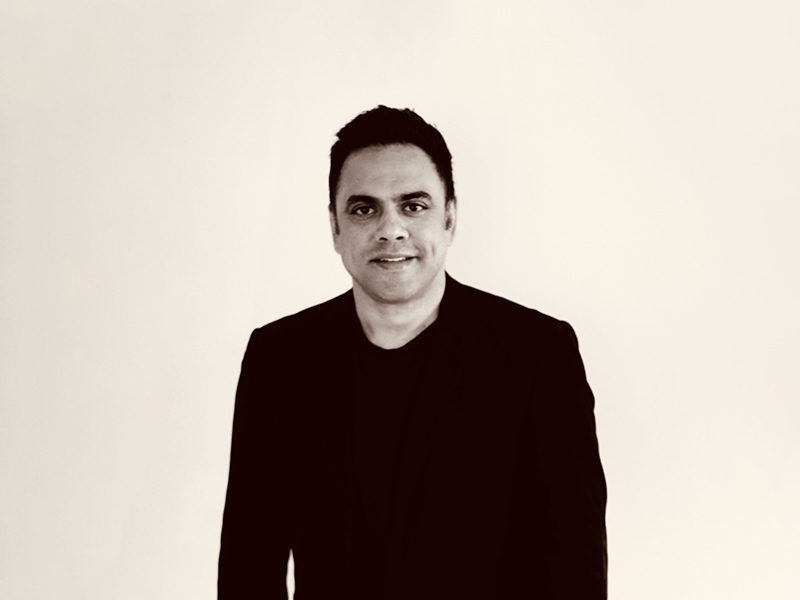
By David Fox
In an age where data is abundant but genuine connection is scarce, many organizations wonder how to bridge the gap. Sunil Dua has built his career answering that question. A leading Salesforce and CRM transformation specialist, he has helped corporate giants and mission-driven nonprofits turn fragmented systems into integrated, people-focused platforms.
Sunil Dua’s technical expertise and knack for shaping technology to serve human needs set him apart. His formula for transformation is straightforward yet powerful: start with a clear vision, deliver early, visible wins, and provide consistent support long after launch. This method has earned him a reputation for creating lasting change. He is advancing that mission by leveraging AI-powered tools like Salesforce and Agentforce to enable smarter, more personalized engagement.
From bookstores to breakthroughs, Dua’s IT journey began in 2004, laying the groundwork for the expertise he would later bring to significant projects. In 2008, he led a CRM and ERP implementation while working with Barnes & Noble as a client during the retailer’s massive pivot from brick-and-mortar to digital. The project underscored the limitations of the available tools and the sheer effort required to build complex systems from the ground up. As Salesforce evolved, Dua saw more than just a product — he saw a platform that could adapt to almost any process and unlock new ways for organizations to serve their communities. That insight became the foundation of his career.
One of Dua’s most distinctive methodologies is his Functional Decomposition, also known as the “Layered Systems” approach. Rather than forcing a single platform — often the CRM — to serve as an all-in-one hub for every function, he strategically maps each system to its core strength and level of maturity. Event platforms remain the home for event logic, LMS platforms for learning content, and CRMs for relationship tracking — all interconnected through a thoughtfully designed “experience layer.” This approach prevents any system from being overloaded and ensures each operates at peak efficiency. In practice, it has helped organizations scale more quickly, reduce redundancy, and unlock richer analytics — all without the cost and disruption of full-system replacements.
The human side of transformation has always been central to Dua’s approach. He faced a jumble of outdated systems and deeply entrenched habits in one nonprofit overhaul. The technical fixes were relatively straightforward; winning over the people was harder. Instead of overwhelming staff with jargon, he introduced minor, practical improvements that made their work noticeably easier. Within weeks, those early adopters became vocal champions of the change, helping drive organization-wide adoption without ever feeling forced.
Navigating sector differences has also shaped Dua’s methods. Private companies often prioritize sales growth, efficiency, and customer retention. Nonprofits focus on mission impact, relationship-building, and transparency for funders. While the underlying technology can be the same, success looks different in each case — and Dua tailors his strategies accordingly.
Dua identifies three drivers regarding successful Salesforce adoption: a vision that ties technology to real-world needs, quick wins that prove value early, and ongoing support to keep enthusiasm high. When these elements align, the shift isn’t just about “using Salesforce” — it’s about adopting better working methods that improve engagement, data quality, and measurable outcomes.
Harnessing the AI advantage is where Dua sees the next major leap. AI can deliver hyper-personalized event recommendations for members, suggest networking connections, and send timely follow-ups with relevant resources. For staff, AI-powered agents can handle event logistics, identify disengaged members, and even discover new sponsorship opportunities. Far from replacing human teams, these agents act like extra-skilled colleagues, freeing people to focus on strategic, high-value work.
Dua is creating an AI-powered event management platform tailored for nonprofits and member associations based on this vision. Leveraging predictive analytics, it optimizes ticket pricing, automates sponsor outreach, and delivers real-time recommendations to boost attendee engagement. The platform integrates seamlessly with existing CRM and AMS systems, giving organizations a unified view of events, members, and outcomes. Designed around the unique needs of mission-driven organizations — from volunteer coordination to continuing education tracking — it aims to maximize impact and revenue while minimizing administrative burden. But AI adoption comes with its barriers. Poor data quality limits results, and a lack of trust can stall implementation. Many organizations worry about accuracy and transparency. Salesforce Agentforce helps address these concerns by working within existing governance rules and explaining why it recommends specific actions. Dua advises starting small — with one or two targeted use cases — and expanding only after results have been proven and trust has been earned.
The power of integration is another game-changer. Organizations gain a complete, real-time view of each member’s journey by connecting CRM systems with Association Management Systems (AMS) and Learning Management Systems (LMS). The challenge lies in coordinating data from multiple vendors, each with quirks. Successful integration requires bidirectional data flows, clear rules on data ownership, and regular upkeep. When done right, the results are dramatic — higher engagement rates, more relevant communication, and members who feel genuinely understood.
In every project, Dua blends innovation with empathy, making systems work for people rather than the other way around. Whether guiding a nonprofit through its first Salesforce rollout or designing AI-powered engagement strategies for a global organization, his mission is clear: to turn information into connection and impact.
The photo in the article is provided by the company(s) mentioned in the article and used with permission.