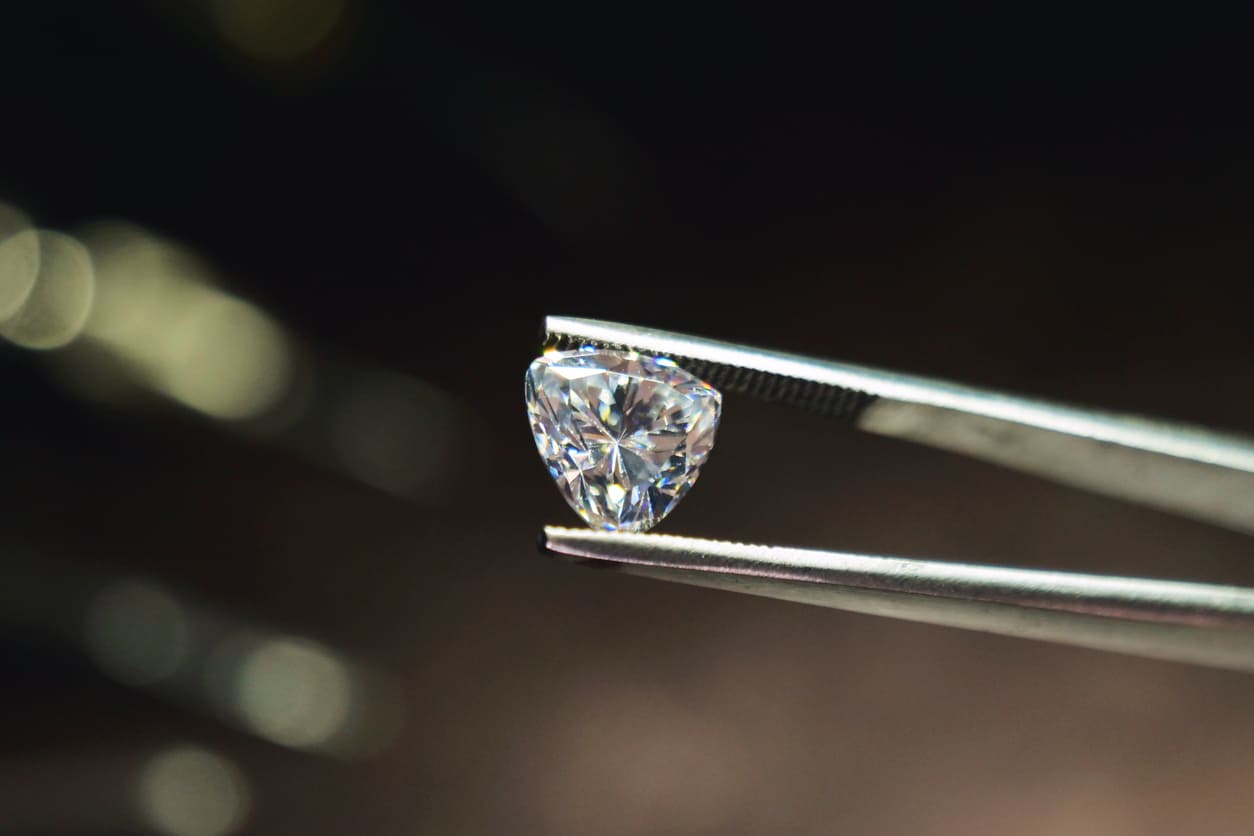
Jewellery has always reflected more than style alone. It speaks to how people live, what they value and how they choose to express themselves over time. While diamonds have long held a central place in fine jewellery, the way they are sourced and worn has evolved quietly, shaped by changing expectations and lifestyles.
Within this shift, lab grown diamond jewellery has become increasingly visible. Its appeal is not rooted in novelty or trend, but in suitability. These pieces are often chosen because they align naturally with modern priorities. Versatility, clarity and the ability to move easily between moments without feeling excessive.
This growing presence reflects a broader change in how jewellery is understood and used.
Jewellery designed for regular wear
One of the most noticeable changes in recent years is how often fine jewellery is worn. Pieces that were once reserved for special occasions are now incorporated into daily routines. Necklaces, earrings and bracelets are worn to work, at home and socially without needing to be changed.
Lab grown diamonds support this shift well. Their brilliance is consistent and balanced, offering light that feels refined rather than overwhelming. In jewellery designed for frequent wear, this evenness allows pieces to feel present without becoming distracting.
The result is jewellery that fits into everyday life rather than standing apart from it.
A more measured approach to sparkle
There has been a gradual move away from jewellery chosen purely for visual impact. Instead, many people now prefer pieces that reveal their character over time.
Lab grown diamonds often offer this experience. Their sparkle feels clean and responsive, appearing and receding with movement rather than remaining constant. This creates a sense of depth that feels engaging without being intense.
In jewellery worn regularly, this softer brilliance often feels more appropriate than dramatic flash.
Simplicity that allows for personal meaning
Modern jewellery design often leans towards restraint. Clean lines and minimal settings place greater emphasis on proportion and material rather than decoration.
Lab grown diamond jewellery fits naturally within this aesthetic. Without heavy embellishment, attention shifts to the stone itself and how it interacts with light. The design does not dictate how the piece should be worn or what it should represent.
This openness allows meaning to develop gradually. Jewellery becomes personal through use rather than symbolism alone.
Versatility across jewellery types
One of the reasons lab grown diamonds have become so widely adopted is their adaptability across different forms of jewellery. Earrings, necklaces, bracelets and rings all benefit from consistency in cut and light performance.
This versatility allows pieces to work together cohesively, whether worn individually or layered. Jewellery feels intentional without needing to be matched precisely, supporting a more relaxed and personal approach to styling.
Over time, this flexibility often becomes one of the most valued qualities.
Materials chosen with modern awareness
As jewellery buyers become more informed, there has been growing interest in understanding materials rather than accepting tradition at face value. People increasingly want to know how jewellery is made and how it aligns with their values.
Lab grown diamonds have entered this conversation as a material that offers the same physical and optical properties as mined diamonds with a level of consistency that supports precision led design. For jewellery intended to be worn often, this predictability can feel reassuring.
The choice is often driven by intention rather than comparison.
Proportion and comfort as design priorities
Jewellery worn daily needs to feel comfortable. Pieces that are too heavy or overly ornate often fall out of rotation, no matter how visually striking they may be.
Lab grown diamonds allow for refined proportions without sacrificing presence. Their brightness supports designs that feel light on the body while remaining visually clear. This balance is especially important in earrings and necklaces, where comfort influences how often a piece is worn.
Ease, in this sense, becomes part of the design itself.
Jewellery that becomes part of routine
The jewellery people value most is often the jewellery they wear without thinking. Pieces that integrate seamlessly into daily life tend to gather significance quietly, through repetition rather than ceremony.
Lab grown diamond jewellery often becomes this kind of constant. Its presence is subtle and reliable. Over time, it becomes associated with everyday moments rather than singular events.
This familiarity is what gives jewellery lasting emotional depth.
Longevity beyond fashion cycles
While jewellery trends shift, certain design principles endure. Balance, clarity and wearability tend to outlast surface styles.
Lab grown diamond jewellery aligns naturally with these principles. Its appeal is not tied to a specific era or aesthetic moment. Instead, it rests on how easily it adapts to changing tastes and routines.
As styles evolve, such pieces rarely feel outdated. They remain relevant through use rather than reinvention.
A reflection of modern jewellery values
Modern jewellery choices are increasingly shaped by intention. People look for pieces that feel authentic, adaptable and aligned with how they live.
Lab grown diamond jewellery reflects this shift. It offers brightness without excess, refinement without formality and consistency without rigidity. Its growing presence is not driven by trend, but by relevance.
In a jewellery landscape that values everyday wear as much as symbolism, lab grown diamonds have found their place naturally. Not as an alternative, but as part of how jewellery is now worn, understood and lived with.
Disclaimer: This article contains sponsored marketing content. It is intended for promotional purposes and should not be considered as an endorsement or recommendation by our website. Readers are encouraged to conduct their own research and exercise their own judgment before making any decisions based on the information provided in this article.