The way people represent themselves online is changing. As Web3 matures, ownership and identity are moving away from centralized registries and toward systems built on blockchain technology. The next wave of the internet will not only connect websites but identities and Web3 domains are at the heart of that transformation.
Traditional DNS domains gave structure to the early web, linking names to IP addresses and making information accessible. Today, projects such as Solana Name Service (SNS) are expanding that idea into something more powerful; an identity layer that lets people and businesses own, prove and carry their digital presence anywhere on the internet.
What Are Traditional DNS Domains?
Traditional domains operate within the Domain Name System (DNS), the addressing layer that makes it possible to reach websites, send emails and connect to online services. The DNS translates human-readable names like *example.com* into numerical IP addresses, providing the map that underpins modern connectivity.
Each registration is handled by accredited registrars under the oversight of authorities such as ICANN. The system is reliable and uniform, offering global consistency for how users and organizations identify themselves online.
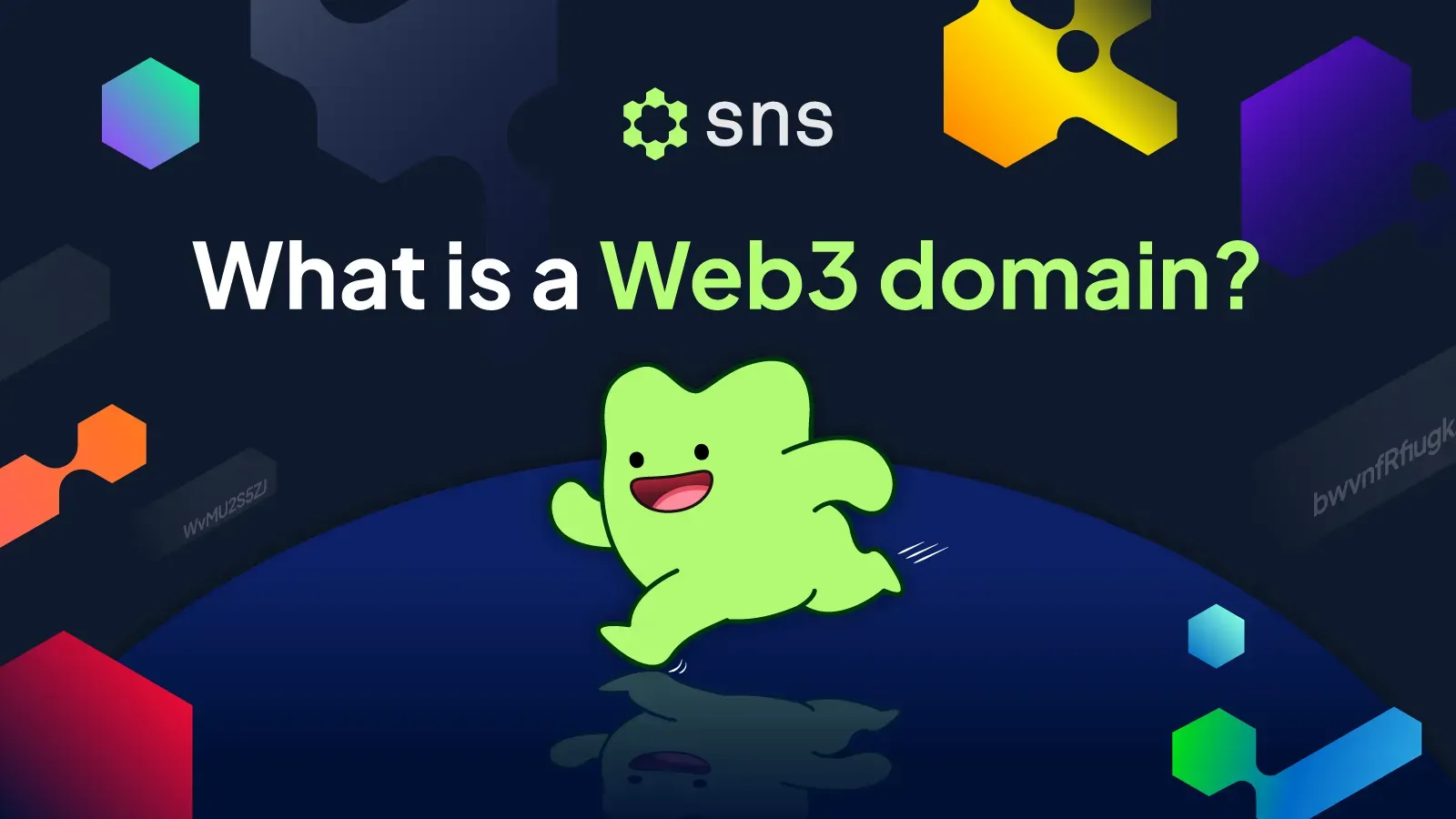
What Are Web3 Domains?
Web3 domains take the familiar concept of a domain name and rebuild it on blockchain infrastructure. Each domain is registered on-chain and linked to a cryptographic wallet, creating a digital asset that can be verified and transferred without intermediaries.
In most cases, registration is permanent, though some ecosystems use renewal fees to maintain network operations. Either way, ownership remains with the holder rather than a central body.
What makes Web3 domains distinct is their flexibility. Beyond linking to websites, they can:
- send and receive cryptocurrency and NFTs
- host decentralized websites or applications
- act as single-sign-on credentials for blockchain apps
- serve as usernames across in-game and social platforms
- enable crypto-native email systems
- verify digital asset ownership and credentials
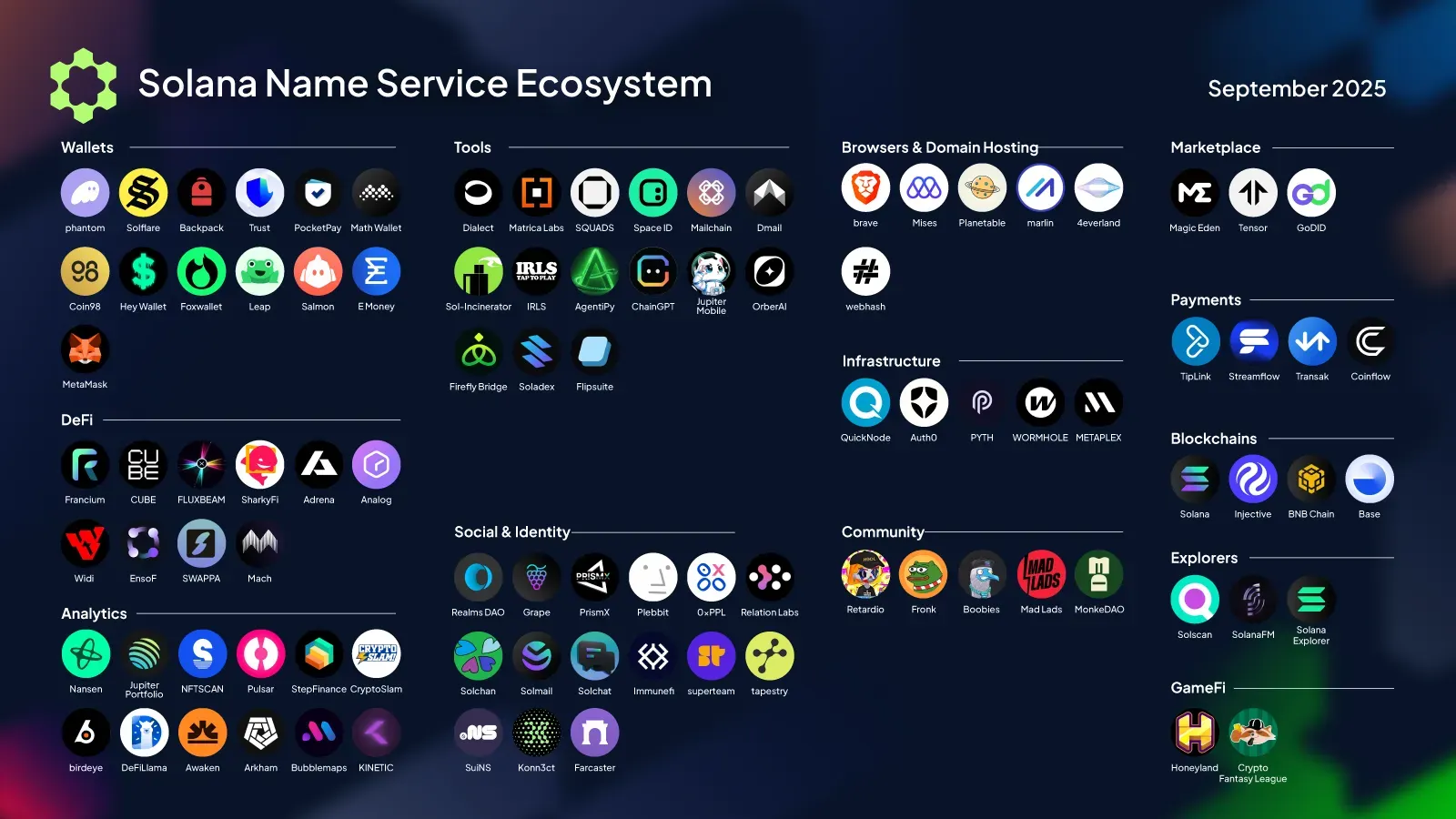
Solana Name Service demonstrates this breadth through .sol domains, which function as universal identifiers across the Solana ecosystem. A .sol name replaces long wallet strings, appears directly in applications, and connects to more than 150 integrations spanning wallets, DeFi tools, marketplaces, games and identity protocols.
“This is just the beginning of what names can do,” says aom.sol, CEO of the Solana Name Service. “We see domains not as URLs but as keys to an interoperable identity, a way for people to move across platforms, communities and experiences while staying recognisably themselves.”
Key Differences Between Web3 and Traditional DNS Domains
1. Ownership
Traditional DNS domains are leased through registrars and rely on renewals. Web3 domains are minted on-chain and reside in a user’s wallet – ownership is cryptographically verifiable and under the holder’s control.
2. Control & Intermediaries
DNS depends on central registries and third-party controls. Web3 domains operate without intermediaries; domain updates, transfers or usage are governed by smart contracts or wallet keys.
3. Multi-Use Identity
While DNS domains are primarily used for websites and email routing, Web3 domains can serve as wallet aliases, on-chain identity handles, login credentials for dApps and more.
4. Persistence & Resilience
DNS records depend on registries and can be suspended, modified or revoked. Web3 domains exist as entries on blockchains – making them less susceptible to single-point failures or unilateral takedowns.
5. Ecosystem Integration
Web3 domains integrate directly with blockchain infrastructures, enabling use-cases like token-address aliases and decentralized web hosting. Traditional DNS lacks this native blockchain compatibility.
Pros and Cons of Web3 Domains
Pros
- Full ownership without intermediaries
- Interoperability across multiple ecosystems
- Transparent and auditable records
- Programmable identities with evolving use cases
- Resistance to censorship and single-point failure
Cons
- Some networks still include renewals or fees
- Wallet security and recovery remain technical barriers
- Browser support for decentralized websites is still expanding
- Standards and regulations are developing
Are Web3 Domains the Next Internet Revolution?
Web3 domains are reshaping what it means to “own” a part of the internet. They merge payment capability, authentication and social identity into one user-controlled layer. Just as DNS created the foundation for Web 2.0, blockchain domains are defining how identity will function in Web 3.0.
The rapid growth of Solana Name Service, with more than 440,000 registered domains and 220,000 unique owners, shows that decentralized naming has moved from concept to adoption. As more platforms integrate .sol domains, these digital identifiers are becoming everyday tools rather than experimental features.
Which One Should You Choose?
Traditional DNS remains essential for websites and corporate infrastructure. Yet for innovators exploring blockchain and decentralized applications, Web3 domains offer a way to secure a digital presence early.
A blockchain domain provides verified ownership, brand consistency and access to a growing network of interoperable platforms. Solana Name Service represents one of the most mature models of this shift, bridging usability and innovation to make decentralized identity accessible to everyone.
About Solana Name Service
Solana Name Service (SNS) is the decentralized naming protocol of the Solana blockchain. It enables users to register human-readable .sol domains that serve as on-chain identities. With more than 440,000 registered domains, over 220,000 unique owners and integrations across 150+ applications, SNS is pioneering the future of decentralized identity.
The photos in the article are provided by the company(s) mentioned in the article and used with permission.
Disclaimer: This article contains sponsored marketing content. It is intended for promotional purposes and should not be considered as an endorsement or recommendation by our website. Readers are encouraged to conduct their own research and exercise their own judgment before making any decisions based on the information provided in this article.