
By Dr. Pedro Cesar Martinez Moran and Dr. Simon L. Dolan
In today’s ever-evolving world, it’s crucial to look beyond the surface and recognize the potential dangers lurking in the unseen corners of our society. While the idea of a hidden harmful society may seem daunting, it also presents us with a powerful opportunity for awareness and growth. This article sheds light on these issues with the hope of empowering all of us (communities, political leaders, corporations and academic institutions) to take proactive steps toward positive change. Ignoring these challenges may seem easier, but envisioning a healthier and more sustainable future requires us to confront the realities that many may overlook.
Introduction
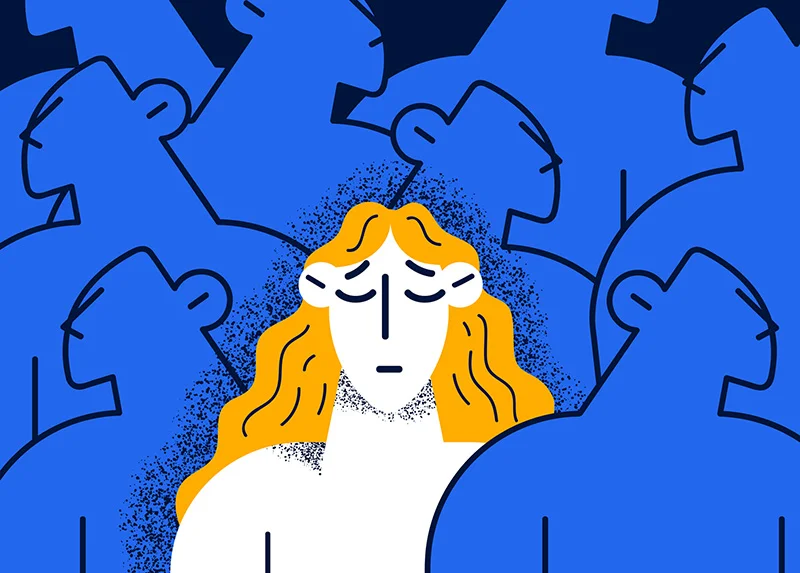
We live in a time when society, far from being a refuge of support and growth, can become a source of silent harm. A harmful society is one that, consciously or unconsciously, normalizes behaviors that hurt, exclude, or humiliate others. It is not just about great acts of violence or injustice but about an everyday culture where damage – emotional, social, symbolic – is reproduced without question.
In a harmful society:
- My judgment is the only valid one. I contrast my analysis with those who will corroborate my analysis. I reject those who force me to rethink.
- Criticism, sometimes ruthless, replaces the rational.
- Appearance is valued more than well-being.
- Social networks become free administrators of empty sentences and self-promoting sentences. There is no room for fair judgment.
- Relationships – family, work, affective – are destroyed by struggles for power, control or ego.
- Sustaining or promoting mental health is minimized or ridiculed.
- Success is measured in terms of performance, not balance or humanity, not employing value added to community or to society.
- Good manners are seen as a weakness.
The most complex aspect of a harmful society is that many of its practices have become so common that they go unnoticed: ignoring someone as a form of punishment, mocking under the pretext of humor, making irony an insidious source of punishment and humiliation, constantly competing, speaking ill of others to validate themselves. Such is not only a society that allows harm, but one that, many times, encourages it, normalizes it and even rewards it.
The danger of this type of society is not always obvious. “He disguises himself in successful speeches, hides behind screens, and feeds on the fear of not fitting in.”1 Little by little, it erodes mental health, destroys collective trust, and creates a culture where toxic individualism prevails. It makes us forget that what is truly human is to take care of others, not to crush them.
If we are not aware, we risk perpetuating this damage. For this reason, it is urgent to question the values that are imposed on us, to build communities based on respect, solidarity and common welfare. Only in this way can we transform a harmful society into a society that heals.2
Conflicts have always existed. They have diverse origins such as different ethnicities, religions, political ideologies, social differences and economic inequalities, access to and possession of territories, and the tenure of natural resources. The consequence of many of these conflicts has been confrontation, war, destruction, partial or total. The trail of hatred and revenge has fueled the behaviors of generations and generations.
Society has been generating models for overcoming these conflicts. Peace treaties, reconciliation processes, mediation and negotiation tables have been instruments used to eradicate future disputes. Such confrontations are elevated to a higher level. Entire territories and countries or population centers are involved in the fight. Either from within the opponents or together with the support of third parties, an end is sought for them. Rarely have the means of pacification managed to have a sense of anticipation.
In recent years, a set of disputes, fights, and confrontations with lower participation of contenders have appeared, which leaves a silent trail of damage. Due to their magnitude and the various scenarios in which they occur, it is difficult to avoid not being involved in any of them. The stealthy sum it produces leads to perpetuating that we are facing a harmful society with different ramifications.
The dark side of social media
In the digital age, spaces that should foster connection and growth have too often become places of revenge or disqualifications.
On social networks, validation has become a bargaining chip. Personal worth seems to be measured in likes, followers, and viral content. This system drives constant competition for attention and approval, leading many people to distort their identity, hide their pain, or even attack others to gain visibility. Behind the screens, the other is dehumanized. Hate speech, cancellation without reflection and the pressure to appear to have a perfect life are clear symptoms of a society that feeds on judgment and not on understanding.
The silent damage of breaking friendships
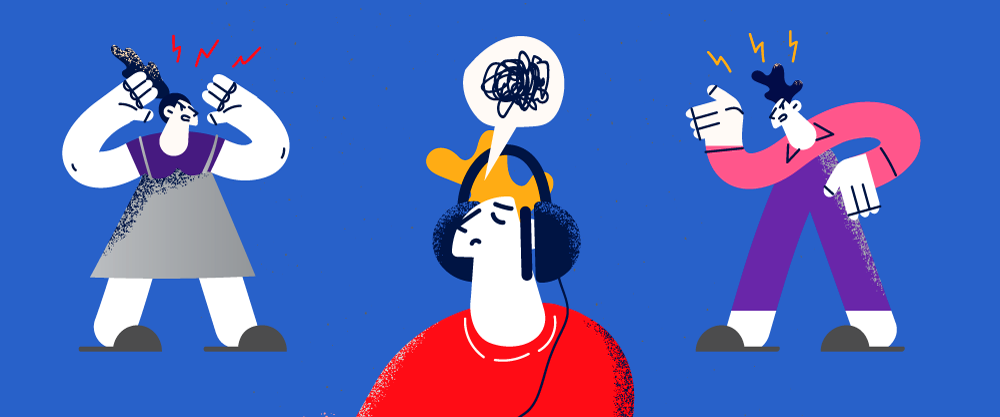
Divorces and separations are, by nature, complex and painful processes. However, when one or both members of the couple act out of resentment, the need for revenge or the desire to hurt the other, the damage that is generated goes far beyond the emotional. Instead of closing a stage with respect and maturity, a cycle of psychological violence, manipulation and deep wounds that can last for years is opened.
One of the most harmful behaviors is the use of children as a tool to punish the other parent. This can be reflected in parental alienation when one parent emotionally manipulates children into rejecting the other. This type of behavior has devastating consequences for the children, who carry a divided loyalty and emotional confusion that can mark their development, in addition to hurting the excluded father or mother.
Another common behavior is the distortion of reality in legal processes. Exaggerating or inventing situations to gain advantages in matters such as custody, pension or the extinction of the existing condominium not only delays the judicial process but also contaminates relationships and emotionally wears down everyone involved. This instrumentalization of justice for vengeful purposes shows a clear intention to harm the other beyond what is reasonable.
The constant reminder of events that have occurred in the past, with an extensive litany of dates, places and details, far from paving the way, feeds gasoline on the irreducible fire of hatred.
Passive-aggressive attacks are also frequent, such as defaming the ex-partner in front of friends, neighbors, family or even on social networks. This type of behavior seeks to destroy the reputation of the other, generating social and emotional damage that is often irreversible.
Silence becomes a weapon of destruction. All communication is cut off. Messages are no longer answered, which, inevitably, need another one back. Sometimes, open dialogue is suddenly replaced by a cold and freezing silence.
These attitudes not only prevent a healthy separation but also perpetuate a negative bond between people who should no longer have any relationship than is strictly necessary, especially if there are children involved. Sustained and nurtured resentment damages mental health, prevents the closure of the cycle and makes it difficult to build new personal or family relationships.
The real problem is not the divorce itself but how it is managed. When the breakup becomes a battlefield where the focus is to win or make the other suffer, everyone loses. Opting for respect and dialogue, as difficult as it may be, is the only way to mitigate the pain and prevent a separation from becoming a permanent wound.
When a friendship is broken with the intention of hurting
Friendship breakups, although less visible than those of a couple, can be just as painful. There are records of divorces and separations but none of broken friendships. And when such breakups come with a load of resentment or with the clear intention of hurting, the damage can be deep and lasting.
Cutting off all communication without explanation or applying the silent treatment for a long time can leave the other in a situation of bewilderment and pain, especially if the relationship was close.
One of the most toxic behaviors in these situations is to speak badly of the ex-friend to third parties, seeking to isolate him or her socially or destroy his or her image. This not only fuels conflict but creates unnecessary divisions in common groups and sows mistrust.
Another form of harm is the revelation of shared secrets, a direct betrayal that goes to the heart of the trust that once united both people. Breaking that implicit pact not only hurts but leaves a mark that is difficult to erase.3
The use of silence as punishment is also common. Cutting off all communication without explanation or applying the silent treatment for a long time can leave the other in a situation of bewilderment and pain, especially if the relationship was close.
The problem isn’t that friendships end—it’s natural for some relationships to change or dissolve over time—but the way some people choose to close those ties: with anger, manipulation, or contempt.
Closing cycles with dignity, even in friendship, is a sign of emotional maturity. When the intention is to harm, the one who loses the most is not always the other: it is oneself.
Family conflicts: When the bond becomes a weapon
Family conflicts, while inevitable in many cases, can become deeply destructive when behavior is guided not by the desire to resolve but by the desire to hurt. In those moments, the emotional closeness that binds family members together becomes the sharpest weapon.
One of the most common and harmful acts is bringing up past mistakes to humiliate or manipulate the other. Instead of addressing a current problem, old wounds are used as a form of punishment. This not only poisons the present but also prevents any possibility of honest reconciliation.
It is also common to take sides within the family, where a marked division is generated between “mine” and “yours”, deteriorating the family fabric and leaving some members emotionally isolated. This dynamic fuels resentment and breaks trust.
Silence is also used in this area. Ignoring, excluding, and cutting off communication are powerful means of emotional violence. In a family, being ignored hurts more than being yelled at.
Silent violence in education
In schools and universities, emotional damage is often hidden behind jokes, group dynamics or non-explicit hierarchies. Bullying among peers, humiliation disguised as humor, systematic exclusion or favoritism by teachers are forms of daily violence that rarely transcend. As in other close relationships, the damage is more serious because it is born from coexistence and apparent normality and because, many times, those who suffer it do not feel legitimized to name it.
Formal and informal authority protects the one who commits the punishment. The victim feels different moods, in many cases, even contradictory. Demonstration of the complex psychological situation that drags and leaves the suffering evil.
Silent hostility in neighborhood communities
Neighborhood communities, neutral spaces for coexistence, can become scenarios of sustained conflict and subtle emotional damage. Unlike major social confrontations, here, the discomfort is built in silence through small but persistent gestures, looks of contempt, rumors that circulate in the corridors, repeated complaints, indirect comments or the simple act of ignoring the other deliberately.
Many times, these conflicts do not have a specific origin but are fed by prejudices, lifestyle differences, or resentments accumulated over time. Disputes over the use of common spaces, noise or the rules of coexistence are transformed into personal battles where the objective is no longer to solve and becomes to punish, point out or marginalize.
This type of damage is difficult to denounce or make visible because it moves in the implicit. There are usually no direct insults or physical aggressions, but there is an atmosphere of constant tension that wears down the emotional health of those who inhabit it. The victim often ends up isolated, not knowing how to act without appearing to be exaggerating or combative.
Coexistence, when contaminated by contempt or indifference, can become a hostile environment. And the saddest thing is that this type of passive violence usually lasts for years, becoming normalized.
Invisible wear and tear in work environments
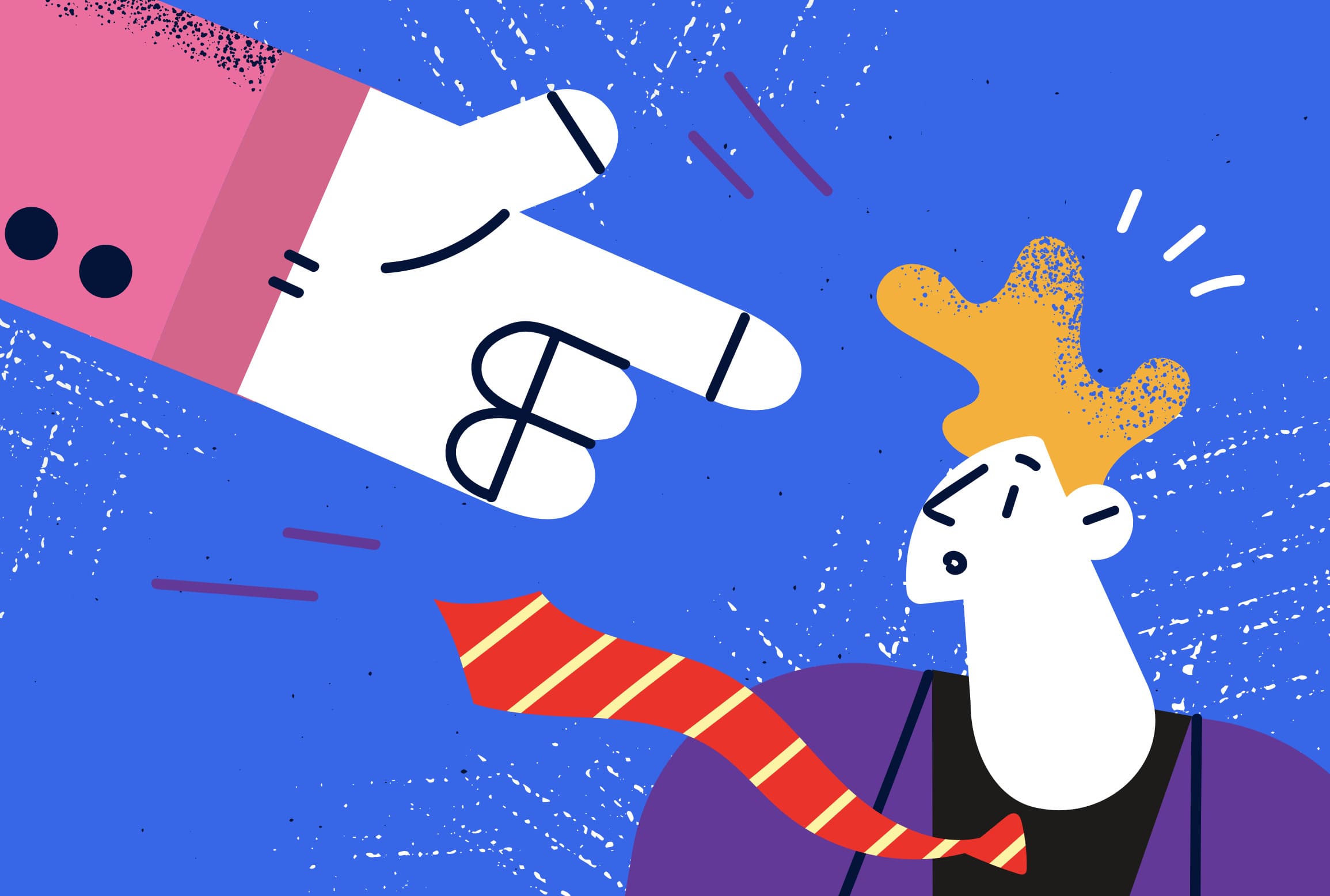
Work, beyond its productive function, is a space of human bonds, and as such, it can also be the scene of harmful dynamics that, although not always expressed openly, undermine the emotional health of those who suffer from them. In many work environments, mistreatment does not occur in shouting or explicit aggression but in more subtle forms: exclusion from important conversations, constant indifference, passive-aggressive comments or a systematic lack of recognition.
The damage is aggravated when these attitudes are normalized under the logic of “that’s the way things are here” or when those who suffer it are afraid to point it out for fear of reprisals, isolation or loss of employment. Rigid hierarchies, poorly managed competitiveness and a lack of safe spaces for dialogue favour this type of silent violence. Often, what appear to be “work tensions” are sustained forms of emotional harassment.
In these environments, people may experience anxiety, low self-esteem, insomnia, and even physical symptoms without clearly identifying the cause. Everyday hostility, when it becomes part of the landscape, leaves deep marks and affects not only professional performance but also personal life.4
Efficiency and productivity have become a supreme value. Burnout is glorified as a sign of commitment, while minimizing the importance of emotional well-being. Toxic environments, unfair competition, and a lack of empathy among colleagues are signs of a culture that rewards results, not humanity. In many cases, those who speak out are silenced for fear of reprisals or the stigma of being “problematic”.
Work should be a place where one can grow, contribute and feel a part of something. When it becomes a field of constant emotional exhaustion, the damage transcends work: it erodes the dignity and well-being of those who suffer from it.
Conclusion
We have built systems that harm instead of caring, that isolate instead of uniting. A harmful society is not born from a single act but from small collective decisions that normalize injustice and despise vulnerability.
The solution is not only to resist but to transform. It is urgent to reclaim authenticity, both in what we share and in how we work. We need spaces that promote real conversations where people are valued beyond their achievements. Only in this way can we break the cycle and build a better society.
Harmful society presents multiple dangers that affect not only individuals but also the community. These dangers can manifest themselves in various ways, from toxicity in interpersonal relationships to the perpetuation of harmful stereotypes to misinformation and emotional manipulation.
One of the most concerning aspects of a harmful society is how it can affect people’s mental health. The pressure to meet unrealistic standards can result in anxiety, depression, and a decline in self-esteem. In addition, the toxic environment can encourage destructive competition rather than collaboration, which in turn limits creativity and personal growth.
However, all is not lost. It is critical that we become aware of these dangers and work together to build a healthier, more positive environment. By promoting empathy and open communication, we can dismantle harmful stereotypes and foster relationships based on respect and support.
Likewise, education plays a central role. Informing ourselves about the harmful effects of disinformation and developing critical thinking will allow us to make more informed decisions and contribute to a more inclusive society.
Each of us has the power to be an agent of change. By adopting a positive mindset and supporting those around us, we can build a community that values collective well-being over societal pressures. Let us accept the responsibility to transform our society, addressing the dangers and always choosing what edifies and uplifts. Change starts with us!