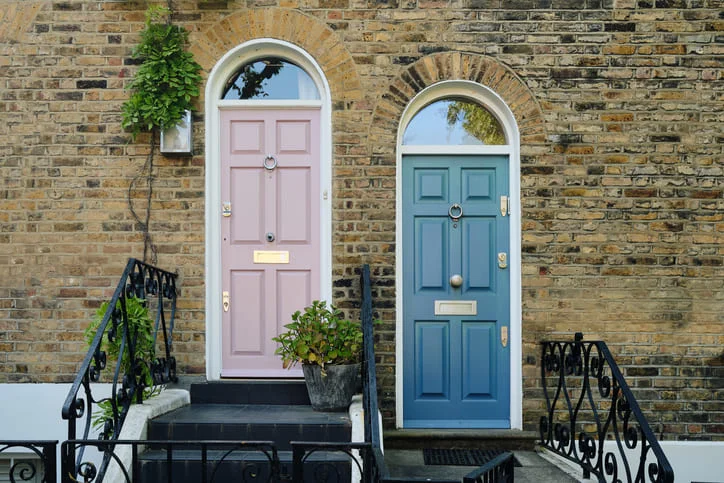
When property professionals talk about adding value to a home, the conversation usually centres on kitchens, bathrooms, and extensions. Rarely does anyone mention the front door — and almost never the hardware fitted to it.
This is a missed opportunity. The front door is the first physical interaction a buyer, tenant, or visitor has with a property. And the hardware on that door — the handle, the lock, the letterbox — communicates more about the condition and care of a home than most homeowners realise.
The Psychology of First Impressions
Estate agents have long understood that kerb appeal sells houses. A well-maintained front entrance signals that the rest of the property has been looked after. A neglected one raises doubts before the front door even opens.
Research from the home improvement sector consistently shows that front door upgrades deliver one of the highest returns on investment of any cosmetic improvement. The cost is minimal — often under £100 for a full hardware refresh — but the perceived value increase is disproportionately high.
What makes door hardware particularly effective as a value-add is its visibility. A new kitchen is hidden behind the front door. A new roof is barely noticeable from ground level. But a new set of matching chrome handles, a modern letterbox, and clean house numbers are the first things anyone sees when they approach the property.
What Needs Replacing and Why
The majority of uPVC and composite doors installed in UK homes over the past two decades were fitted with standard-grade hardware. White plastic handles, basic letterboxes, and entry-level euro cylinder locks were the default specification from most manufacturers and installers.
After ten to fifteen years of daily use, this hardware shows its age. Handle springs weaken, causing the lever to droop rather than return to horizontal. Letterbox flaps lose their seal, allowing draughts and rain ingress. Lock cylinders become stiff or, worse, remain fitted with outdated mechanisms that offer minimal resistance to forced entry.
For landlords, this deterioration is more than cosmetic. A door that does not lock properly is a compliance issue. A handle that does not operate the multipoint mechanism fully is a security liability. And worn hardware in a rental listing photographs badly, potentially reducing tenant interest and achievable rent.
The Replacement Market
The UK door hardware replacement market has matured significantly in recent years. Where homeowners once had to visit a specialist locksmith or trade supplier, a growing number of online retailers now offer the full range of handle types, sizes, and finishes with next-day delivery.
Specialist retailers like uPVC door handles suppliers have driven this shift by providing detailed measuring guides, identification tools, and technical support that generalist hardware shops cannot match. The challenge with door handles in particular is that they are not universal — the PZ measurement, screw centres, and spindle type must all match the existing door drilling. Getting any of these wrong means the handle does not fit.
This technical specificity has historically been a barrier to DIY replacement. Homeowners either bought the wrong part and returned it, or paid a tradesperson to source and fit the correct one. The specialist online model solves this by guiding the customer through measurement and identification before purchase, reducing returns and eliminating the need for a callout.
The Security Dimension
Beyond aesthetics and functionality, door hardware replacement has a security dimension that is increasingly relevant to both homeowners and property professionals.
The euro cylinder — the lock mechanism inside a uPVC or composite door — is the most vulnerable point of entry on most UK homes. Standard cylinders can be snapped in under thirty seconds using basic tools, a technique that accounts for a significant proportion of domestic burglaries.
Anti-snap cylinders rated to the TS007 British Standard are now widely available and cost between £15 and £40. Replacing an outdated cylinder is a five-minute job that requires removing a single screw. For the cost of a restaurant lunch, the most common method of forced entry through a front door is effectively neutralised.
Insurance providers are increasingly specifying TS007-rated locks as a policy requirement for uPVC and composite doors. For landlords managing multiple properties, ensuring every front door meets this standard is both a security measure and an insurance compliance task.
The Business Case for Property Professionals
For landlords, property managers, and developers, the economics of door hardware replacement are straightforward.
A full front door hardware refresh — handle, letterbox, house numbers, and lock cylinder — costs between £60 and £120 in materials and takes under an hour to fit across all four items. No tradesperson is required. The visual impact on the property is immediate and significant.
For rental properties, the return is measured in reduced void periods and improved tenant satisfaction. For properties being prepared for sale, it contributes to the overall impression of a well-maintained home — an impression that buyers form in the first fifteen seconds of viewing.
For new-build developers and refurbishment specialists, specifying quality hardware at the point of installation avoids the reputational cost of early failures. A handle that droops within two years of installation reflects poorly on the build quality, even if every other component is performing perfectly.
A Low-Cost, High-Impact Opportunity
The front door hardware market sits in a rare category: low cost, high visibility, easy to execute, and immediately impactful. It requires no planning permission, no specialist tools, no professional installation, and no disruption to the occupants.
For property professionals looking for marginal gains — the small improvements that collectively differentiate a well-managed portfolio from an average one — door hardware is one of the simplest places to start.