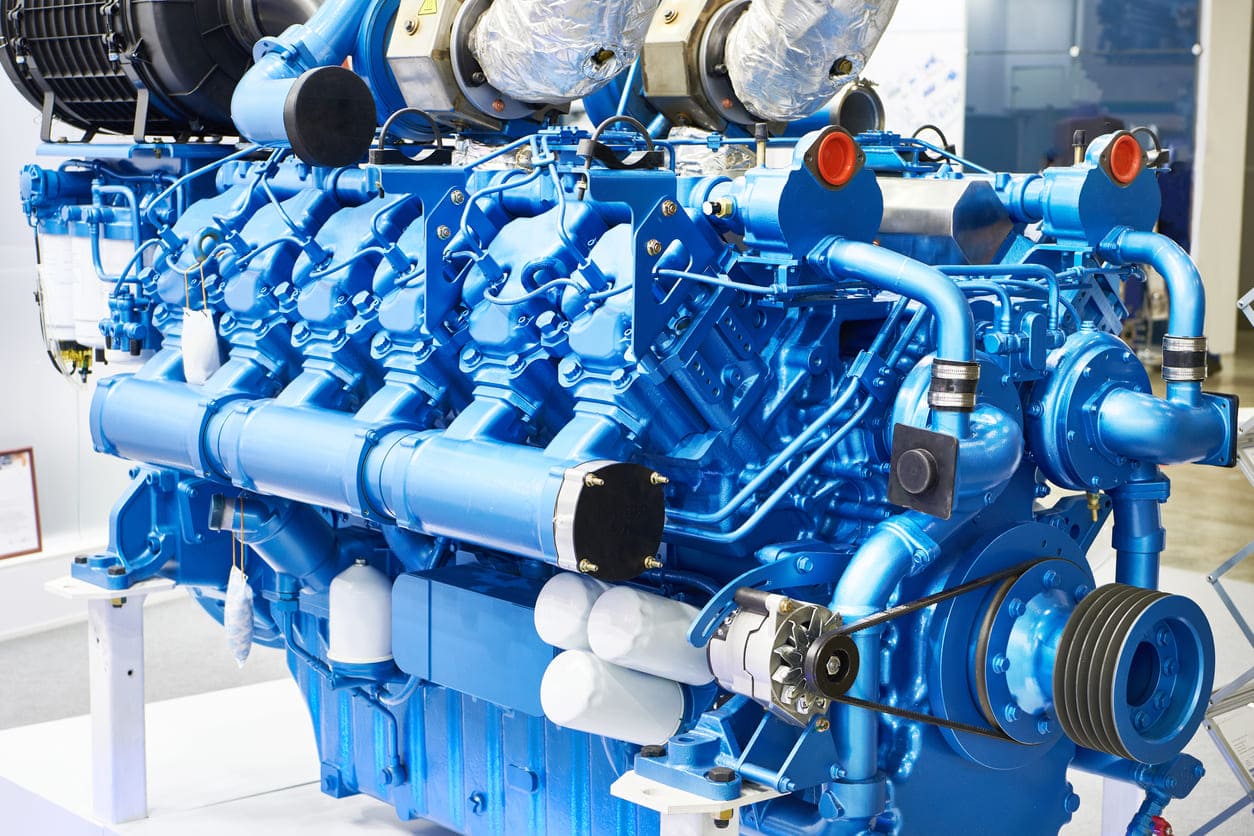
Industrial diesel engines have long been at the heart of heavy-duty operations across a wide range of sectors, from construction and agriculture to shipping and manufacturing. Their reliability, durability, and efficiency make them indispensable in environments where consistent power output is essential. In an era increasingly focused on sustainability and cost-effectiveness, these engines continue to evolve, offering both economic and practical advantages for businesses of all sizes.
The Strength Behind Diesel Technology
One of the primary reasons diesel engines remain so widely used is their exceptional strength and longevity. Unlike petrol engines, diesel engines are designed to withstand higher levels of compression, which contributes to their robust construction. This makes them particularly suitable for demanding applications such as powering generators, heavy machinery, and transport vehicles.
Furthermore, diesel engines are known for their fuel efficiency. They extract more energy from each litre of fuel, which translates into lower operating costs over time. For industries that rely on continuous operation, this efficiency can result in significant savings, especially when fuel consumption represents a large portion of overall expenses.
Applications Across Industries
The versatility of industrial diesel engines is another key factor in their enduring popularity. In the construction industry, they power excavators, cranes, and bulldozers, enabling large-scale projects to be completed efficiently. In agriculture, tractors and harvesters depend on diesel engines to perform labour-intensive tasks across vast fields.
Marine applications also benefit greatly from diesel technology. Ships and boats rely on diesel engines for propulsion due to their reliability and ability to operate over long distances without frequent refuelling. Similarly, in the energy sector, diesel generators provide backup power during outages, ensuring continuity in critical operations such as hospitals, data centres, and manufacturing plants.
The Case for Pre-Owned Engines
While new diesel engines offer the latest technological advancements, there is a growing market for pre-owned equipment. Businesses are increasingly recognising the advantages of purchasing used industrial diesel engines from Pool Trading, as they provide a cost-effective alternative without compromising on performance.
Pre-owned engines are often refurbished and tested to meet strict quality standards, ensuring they remain reliable for years to come. This approach not only reduces upfront investment but also promotes sustainability by extending the lifecycle of existing machinery. In a world where reducing waste and conserving resources are becoming ever more important, reusing high-quality equipment is a sensible and responsible choice.
Maintenance and Longevity
Proper maintenance plays a crucial role in maximising the lifespan of industrial diesel engines. Regular servicing, including oil changes, filter replacements, and system inspections, helps to prevent breakdowns and maintain optimal performance. When well maintained, diesel engines can operate efficiently for thousands of hours, far surpassing the lifespan of many alternative power sources.
Additionally, advancements in diagnostics and monitoring technologies have made it easier to detect potential issues before they become serious problems. This proactive approach to maintenance reduces downtime and ensures that operations continue smoothly.
Environmental Considerations
Despite their many advantages, diesel engines have faced criticism due to their environmental impact. However, modern developments have significantly reduced emissions through improved engine design and the use of cleaner fuels. Technologies such as particulate filters and selective catalytic reduction systems have made diesel engines far more environmentally friendly than their earlier counterparts.
Moreover, the reuse of existing engines contributes to sustainability by minimising the need for new manufacturing. By choosing refurbished equipment, businesses can reduce their carbon footprint while still benefiting from reliable power solutions.
Future Prospects
The future of industrial diesel engines is likely to involve further innovation aimed at balancing performance with environmental responsibility. Hybrid systems, alternative fuels, and enhanced efficiency measures are all being explored to ensure diesel technology remains relevant in a rapidly changing world.
At the same time, the demand for dependable and cost-effective power sources is unlikely to diminish. Industries will continue to rely on diesel engines for their unmatched durability and versatility, particularly in regions where access to alternative energy infrastructure is limited.
Conclusion
Industrial diesel engines have proven their worth over decades of use, offering a combination of strength, efficiency, and adaptability that few other technologies can match. Whether new or pre-owned, they remain a vital component of modern industry, supporting essential operations across the globe.
As businesses seek to optimise costs and embrace more sustainable practices, the role of diesel engines will continue to evolve. By investing in reliable equipment and maintaining it properly, organisations can ensure they benefit from dependable performance for many years to come.