


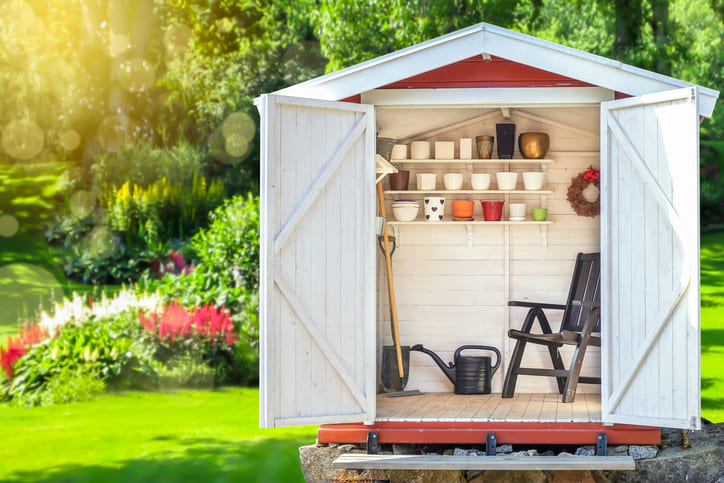
The garden shed market in the European Union has experienced remarkable growth in recent years, driven by increasing interest in home improvement, remote working arrangements, and sustainable outdoor living. For entrepreneurs considering entry into this lucrative sector, understanding the multifaceted requirements of establishing a manufacturing business within the EU is essential. This comprehensive guide explores the critical considerations, regulatory frameworks, and strategic decisions necessary for launching a successful garden sheds manufacturing enterprise in the European market.
Understanding the European Market Landscape
The EU garden shed market represents a significant opportunity for manufacturers, with demand spanning both residential and commercial sectors. Consumer preferences vary considerably across member states, from compact storage solutions in densely populated urban areas to elaborate garden offices and leisure spaces in suburban regions. Scandinavian countries tend to favour minimalist, weather-resistant designs, whilst Southern European markets often prioritise aesthetic appeal and traditional craftsmanship.
Market research should form the foundation of your business strategy. Identifying your target demographic, understanding regional preferences, and analysing competitor offerings will inform product development and marketing approaches. The rise of remote working has particularly influenced demand for garden offices, creating a premium segment within the market that commands higher margins and attracts discerning customers willing to invest in quality structures.
Navigating Legal and Regulatory Requirements
Establishing a manufacturing business within the EU requires careful attention to numerous legal frameworks. Firstly, you must register your company in accordance with the regulations of your chosen member state. This involves selecting an appropriate business structure—whether a limited liability company, partnership, or sole proprietorship—and completing the necessary incorporation procedures with local authorities.
The CE marking requirement is particularly crucial for garden shed manufacturers. This conformity marking indicates that your products meet EU safety, health, and environmental protection standards. Achieving CE compliance requires adherence to relevant directives, including the Construction Products Regulation (CPR) and potentially the General Product Safety Directive, depending on your product specifications and materials.
Additionally, you must ensure compliance with REACH (Registration, Evaluation, Authorisation and Restriction of Chemicals) regulations if your manufacturing process involves chemical treatments for wood preservation or coating applications. This comprehensive chemical safety framework requires detailed documentation and registration of substances used in production.
Securing Appropriate Premises and Equipment
Manufacturing garden sheds demands substantial space for production, material storage, and finished product inventory. When selecting premises, consider factors such as proximity to suppliers, transportation links for distribution, and local zoning regulations that permit industrial activity. Many manufacturers benefit from establishing operations in regions with existing timber industry infrastructure, reducing logistics costs and facilitating supplier relationships.
Essential equipment includes woodworking machinery such as panel saws, planers, routers, and assembly stations. Depending on your production scale, you may require CNC cutting equipment for precision manufacturing and consistency across product lines. Investment in quality equipment upfront, whilst capital-intensive, typically results in improved efficiency, reduced waste, and enhanced product quality.
Climate-controlled storage is vital for maintaining timber quality and preventing warping or degradation before assembly. Consider implementing lean manufacturing principles to optimise workflow and minimise production bottlenecks. Health and safety equipment, including dust extraction systems and personal protective equipment for workers, represents non-negotiable investments that protect your workforce and ensure regulatory compliance.
Sourcing Materials and Building Supplier Networks
Timber sourcing decisions significantly impact both product quality and business sustainability. The EU timber market offers various species suitable for shed construction, including pressure-treated softwoods, naturally durable hardwoods, and engineered wood products. Establishing relationships with certified suppliers who meet Forest Stewardship Council (FSC) or Programme for the Endorsement of Forest Certification (PEFC) standards enhances your environmental credentials and appeals to increasingly eco-conscious consumers.
The EU Timber Regulation (EUTR) prohibits placing illegally harvested timber on the European market and requires businesses to exercise due diligence in their supply chains. Implementing robust traceability systems and maintaining comprehensive documentation of timber origins protects your business from legal complications and reputational damage.
Beyond timber, you’ll require roofing materials, fixtures, fittings, and finishing products. Developing a diverse supplier base mitigates risks associated with supply chain disruptions whilst enabling competitive pricing through strategic negotiations. Consider the advantages of local versus international suppliers, balancing cost considerations against lead times, quality consistency, and sustainability objectives.
Employment and Skills Development
Building a skilled workforce is fundamental to manufacturing success. Garden shed production requires expertise in carpentry, joinery, finishing, and quality control. Depending on your business scale, you may also need administrative staff, sales personnel, and logistics coordinators.
EU employment regulations establish worker rights, including minimum wage requirements, working time directives, and health and safety protections. Familiarise yourself with the specific labour laws applicable in your chosen member state, as implementation details vary across jurisdictions. Providing competitive wages, safe working conditions, and opportunities for skills development helps attract and retain talented employees in a competitive labour market.
Apprenticeship programmes offer an excellent pathway for developing specialised skills whilst contributing to your local community. Many EU member states provide incentives for businesses that train apprentices, potentially reducing your labour costs whilst investing in long-term workforce development.
Marketing and Distribution Strategies
Effective marketing distinguishes successful manufacturers in an increasingly competitive marketplace. Developing a strong brand identity that resonates with target customers establishes the foundation for marketing efforts. Consider whether positioning your business as a premium quality provider, affordable volume manufacturer, or specialist in bespoke solutions best aligns with market opportunities and your capabilities.
Digital marketing channels, including a professional website with e-commerce capabilities, search engine optimisation, and social media engagement, have become essential for reaching contemporary consumers. High-quality photography showcasing product features, customer testimonials, and informative content about garden shed selection and maintenance build trust and demonstrate expertise.
Distribution strategies might include direct-to-consumer sales, partnerships with garden centres and DIY retailers, or collaboration with construction and landscaping professionals. Many successful manufacturers employ multi-channel approaches, capturing different market segments through varied sales channels. Consider whether offering installation services, either directly or through trained partner networks, provides competitive advantages in your target markets.
Financial Planning and Investment
Launching a manufacturing business requires substantial capital investment. Comprehensive financial planning should account for premises acquisition or leasing, equipment purchases, initial inventory, working capital for operational expenses, and marketing expenditure. Creating detailed financial projections spanning at least three years helps identify funding requirements and demonstrates business viability to potential investors or lenders.
The EU offers various funding mechanisms for small and medium-sized enterprises, including European Investment Bank loans, regional development grants, and innovation support programmes. Investigating available support within your chosen member state may significantly reduce initial financial burdens and accelerate business growth.
Implementing robust financial management systems from inception ensures accurate record-keeping, facilitates tax compliance, and provides insights for informed decision-making. Consider engaging experienced accountants familiar with manufacturing sector specifics and cross-border trade regulations if planning to serve multiple EU markets.
Conclusion
Starting a garden sheds manufacturing business in the EU presents considerable opportunities for entrepreneurs willing to navigate the complex regulatory landscape, invest in quality infrastructure, and develop products that meet diverse consumer needs. Success requires thorough market understanding, meticulous planning, and unwavering commitment to quality and regulatory compliance.
By carefully considering location, legal requirements, supplier relationships, workforce development, and marketing strategies, aspiring manufacturers can establish thriving enterprises within this growing sector. The EU’s substantial consumer base, coupled with increasing demand for outdoor living solutions, creates a promising environment for well-prepared businesses. With proper planning, adequate capitalisation, and dedication to excellence, your garden shed manufacturing venture can flourish in the dynamic European marketplace.


