


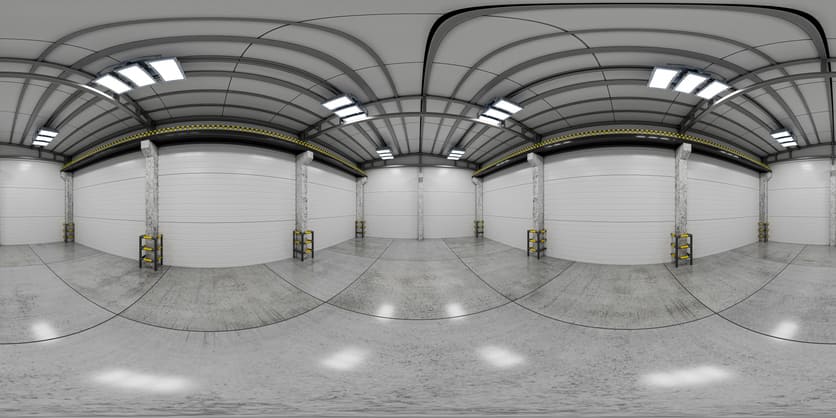
Global sourcing gives manufacturers and brands access to a wider range of suppliers, production capacity and regional markets. It also makes supplier evaluation more complicated. A factory may be hundreds or thousands of miles from the buyer’s office and a sourcing team still needs to understand its production capacity, quality controls, working areas and ability to meet order requirements before placing business.
A short video call may show a clean production line, but it rarely gives a complete view of the facility. Sending an audit team to every potential supplier is more thorough, yet travel, scheduling and access costs can slow the sourcing process. A 360° virtual reality (VR) factory audit offers another way to assess a supplier. It combines local on-site evidence collection with an immersive digital view, allowing teams in different locations to review the same facility.
Why Has Global Supplier Oversight Become More Difficult?
As companies spread production across several countries, supplier oversight becomes harder to coordinate. Each new location adds differences in distance, language, local requirements, production practices and access to reliable information. Procurement teams may need to assess several factories within a short sourcing window, while quality teams must determine whether each site can meet the buyer’s specifications.
Traditional remote walkthroughs have limits. The supplier usually controls what the camera shows and the visit may focus on prepared areas rather than the whole operation. Important details can remain out of view, including raw material storage, warehouse conditions, testing facilities, packing areas, or the movement of materials between processes.
Travel-based audits provide direct access to the site, but they require time and resources. Coordinating auditors across multiple regions can extend supplier onboarding, particularly when schedules, visas, or production availability do not align. Repeated international travel can also add to a company’s business travel emissions, creating tension with internal sustainability goals.
The issue is not simply distance. It is whether sourcing and quality teams can obtain consistent, reviewable evidence before making supplier decisions.
What Does a Professional 360° VR Factory Audit Include?
A professional 360° VR factory audit is more than a live video call or a collection of panoramic photographs. It is a structured supplier assessment supported by on-site evidence and a digital record of the facility. The exact scope should reflect the buyer’s product, supplier risks and evaluation criteria, but a typical process includes three stages.
1. Pre-audit document review
Before the site visit, the auditor reviews relevant supplier information. This may include business registration documents, quality management system certificates, production details, standard operating procedures and existing assessment records. The review helps identify points that need to be checked on site.
2. On-site 360° capture
A qualified local auditor visits the factory and captures panoramic views of agreed areas. These may include raw material warehouses, production lines, inspection and testing areas, finished goods storage and packaging sections. The captured views give remote reviewers a broader understanding of the facility than a supplier-led camera tour normally provides.
3. Evidence review and reporting
The auditor compares the site observations with the information supplied before the visit. For example, the review may consider whether the visible production setup is consistent with the stated manufacturing processes, whether relevant testing equipment is present and whether storage and packing arrangements meet the agreed criteria. Findings are organized into a report so procurement, engineering and quality teams can review them and discuss follow-up actions.
How Can VR Audits Help Sourcing and Quality Teams?
The main value of a VR audit is that it makes factory information easier to access and share. Instead of relying on a short call or separate sets of photographs, stakeholders can review a more complete visual record of the site.
Faster supplier evaluation
Remote access to factory views can reduce the need to arrange an initial international visit for every potential supplier. When local auditors and supplier documents are available, teams can review basic site conditions earlier in the sourcing process. The actual turnaround depends on the factory location, audit scope, scheduling and the time needed to collect and review evidence.
More consistent internal decisions
Procurement, quality and technical teams often assess suppliers from different perspectives. A shared digital record gives them a common reference. A quality manager can examine inspection and testing areas, while a sourcing manager reviews production and storage arrangements. Questions can be raised against the same site evidence rather than relying on separate summaries.
Better use of audit resources
Not every supplier requires the same level of on-site assessment. A VR audit can help companies screen potential suppliers, review lower-risk facilities, or prepare for a more detailed physical audit. This allows travel and specialist audit resources to be directed toward suppliers or processes that need closer examination.
There may also be a sustainability benefit when digital reviews replace some routine assessment trips. However, the emissions reduction depends on how many journeys are avoided and the overall audit arrangement; it should not be treated as an automatic result of using VR technology.
Can a VR Factory Audit Replace an On-Site Audit?
Not in every situation. A 360° visual record can show facility layout and visible operating conditions, but it cannot independently verify every aspect of a factory. Some checks require physical measurement, document authentication, confidential interviews, equipment testing, or direct observation over time.
Panoramic images may show that testing equipment is present, but they do not confirm that the equipment is calibrated or that test results are reliable. A visual review of a production line also cannot establish actual output capacity without supporting production records and further checks.
VR audits are therefore most useful as part of a wider supplier management process. They can support early-stage screening, provide visual context for remote reviews and help teams decide where a full on-site audit is necessary. For high-risk suppliers, complex products, or assessments involving detailed technical and social compliance requirements, physical verification may still be essential.
Making VR Audits Part of Supplier Management
Global sourcing requires more than finding a factory with available capacity. Buyers need evidence that suppliers have the facilities, processes and controls required for the work. VR factory audits make that evidence easier to access across regions and departments. Used alongside document review, risk assessment and physical audits where needed, they give sourcing and quality teams a practical way to improve supplier visibility without treating remote access as a substitute for every on-site check.


