European Homeowners Associations (HOAs) are entering a major digital transformation phase. Rising energy prices, aging buildings, and strict climate mandates are pushing residential communities toward smarter operations.
Today’s European HOAs, housing cooperatives, and co-ownership boards are investing heavily in proptech, automation, and AI-driven systems. These technologies improve efficiency, reduce waste, and simplify governance across apartment complexes and multi-owner residential communities.
At the same time, Europe’s smart housing sector continues to grow rapidly. The EU27+3 region recorded nearly 72.8 million smart homes in 2024. That equals about 30.7% of all households. The region also supported roughly 240.1 million connected smart home systems during the same period.
This momentum is reshaping how European residential communities manage energy, maintenance, communication, security, and HOA administration.
Why European HOAs Are Prioritizing Technology
Several forces are driving technology adoption across European communities. The EU’s 2050 climate neutrality goals require buildings to reduce emissions significantly. Residential properties account for a substantial share of Europe’s total energy consumption, pushing HOAs to modernize infrastructure more quickly.
Operational costs also continue to rise. Heating, electricity, and repair expenses remain volatile across many countries. Smart systems help communities reduce waste, improve energy efficiency, and identify maintenance issues earlier.
Resident expectations are evolving as well. Homeowners increasingly want digital-first services, including online payments, instant communication, digital voting, and mobile access to community information.
Cloud-Based HOA Management Replacing Manual Administration
European communities are moving away from paper-heavy administration systems. Many associations previously relied on spreadsheets, physical notices, and manual bookkeeping. Now, cloud-based platforms centralize daily operations into one digital ecosystem.
The HOA software market is positioned for strong expansion as communities increasingly adopt digital tools to streamline property management. Valued at approximately $2 billion in 2025, the market is expected to grow at a compound annual growth rate (CAGR) of 15% through 2033.
Cloud-based HOA solutions commonly handle:
- Fee collection
- Maintenance scheduling
- Financial reporting
- Resident communication
- Governing document storage
- Amenity reservations
Residents can submit repair requests, book shared facilities, and review financial updates through unified dashboards. This shift especially benefits apartment-heavy European communities. Many buildings operate with complex ownership structures and strict cooperative rules.
Germany offers a strong example. About 10 million residential and commercial units operate under Wohnungseigentümergemeinschaften, commonly called WEGs. These associations require organized financial oversight, coordinated maintenance planning, and transparent board governance.
Large homeowners’ associations often rely on professional property managers. However, smaller WEGs usually have fewer management options available. Some PropTech startups now offer digital platforms for self-management. These web-based tools simplify daily administrative tasks.
Communities can generate annual financial statements more efficiently. The software also helps draft legally compliant resolutions. These platforms support digital owners’ meetings and transparent budget tracking, which helps smaller WEGs manage properties more effectively.
AI and Smart Energy Systems Reshaping HOA Operations
Energy management now sits at the center of technology investment for European HOAs. Unlike many American communities, European associations face stricter sustainability regulations and rising utility costs. As a result, reducing energy consumption has become both a financial and operational priority for community boards.
Smart energy systems help HOAs monitor and optimize shared property infrastructure more efficiently. Many communities are now investing in:
- Smart electricity meters
- Connected lighting systems
- Automated HVAC controls
- Occupancy-based temperature adjustments
- Water consumption monitoring
These technologies help associations lower utility expenses across common areas, shared facilities, and multi-unit buildings. They also support long-term maintenance planning and sustainability compliance.
AI-driven HVAC systems are becoming especially valuable for larger residential communities. These platforms analyze occupancy patterns, weather conditions, and historical usage trends. They then adjust heating and cooling automatically to reduce unnecessary energy consumption. This approach lowers operating costs while helping HOAs reduce their overall carbon footprint.
Industry analysts also expect AI to play a larger role in HOA decision-making and property operations. In a 2025 proptech editorial analysis, Andrew Stanton noted that AI systems can now interpret fragmented operational, financial, and sustainability datasets. These systems can uncover insights that were previously difficult or expensive for HOAs and property managers to identify.
AI capabilities allow community managers and HOA boards to identify inefficiencies earlier, improve budgeting decisions, and plan repairs more proactively. Better recordkeeping and operational transparency can also help associations reduce governance mistakes that often lead to HOA complaints.
Local Energy Grids and Smart Communities
Many European HOAs are moving beyond individual smart devices. Instead, they are building interconnected energy ecosystems across shared residential properties. HOA-managed communities increasingly coordinate solar generation, EV charging schedules, battery storage, and shared energy distribution through centralized platforms.
This growing reliance on connected building infrastructure is accelerating investment across Europe’s broader automation sector. Europe’s home automation sector is projected to grow from approximately $14.41 billion in 2025 to nearly $18.23 billion by 2030. Italy is expected to experience the fastest regional growth during this period, with projected annual growth exceeding 5%.
EU-backed projects now support localized energy markets inside residential neighborhoods. These systems integrate:
- Solar panels
- Battery storage
- EV charging stations
- Smart appliances
- Automated energy balancing tools
A peer-to-peer (P2P) energy sharing model or energy community is a rapidly growing concept in sustainable urban design. The EU-funded InterConnect project successfully demonstrated how digital Internet of Things (IoT) technologies and Artificial Intelligence can unite smart homes, buildings, and local power grids to do exactly this. For HOA boards, these systems simplify long-term utility planning and shared infrastructure management.
IoT Sensors for Building Maintenance
Traditional maintenance models react after problems occur. However, IoT systems enable HOAs to detect issues much earlier. Smart sensors continuously monitor critical infrastructure across residential buildings and shared community spaces. Communities now deploy sensors for:
- Elevator vibration tracking
- Pipe pressure monitoring
- Acoustic leak detection
- Water intrusion alerts
- Fire and smoke detection
Smart monitoring tools identify anomalies before equipment fails completely. For example, vibration sensors can detect abnormal elevator movement weeks before a major breakdown occurs. Early repairs reduce emergency expenses and improve resident safety.
Predictive maintenance also helps HOA boards plan reserve budgets more accurately. Instead of reacting to surprise failures, associations can schedule repairs strategically. This proactive approach becomes especially important in Europe’s aging apartment stock.
Smart Security Systems
Security technology is another major investment area for European HOAs and multi-family communities. Southern European countries, including Spain and Italy, are seeing strong demand for remote property monitoring tools. Vacation properties and seasonal residences require flexible access management. As a result, many communities now use:
- Smart locks
- Mobile-based entry systems
- Biometric access controls
- AI-enabled video surveillance
- Remote gate management
These security systems improve convenience while strengthening building security. AI-powered analytics also reduces false alarms. Video systems can now distinguish between normal activity and suspicious behavior more accurately. For HOA boards, centralized security platforms also improve visitor management, access tracking, and incident response coordination.
Sustainable Retrofitting Is Accelerating Across Europe
Europe’s older housing requires extensive modernization. Therefore, sustainable retrofitting has become a major priority for HOA boards and cooperative housing associations. Many communities now pursue large-scale renovation projects focused on energy efficiency and carbon reduction.
Several EU initiatives support these upgrades through grants, subsidies, and green financing programs. Communities increasingly use:
- Bio-based insulation materials
- Circular facade systems
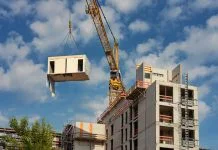
- Modular renovation techniques
- Prefabricated energy-efficient components
Several projects promote environmentally responsible renovation materials across European housing developments. Additionally, HOA boards often aggregate renovation demand across multiple buildings. This strategy lowers installation costs and strengthens HOA negotiating power with contractors. Many associations also use digital planning platforms to coordinate reserve funding, renovation approvals, contractor scheduling, and phased energy upgrades.
Europe and the US Follow Very Different HOA Technology Models
European and American HOA technology trends differ significantly.
In Europe, technology primarily supports:
- Sustainability goals
- Energy optimization
- Predictive maintenance
- GDPR compliance
- Long-term reserve planning
In contrast, American HOA platforms often emphasize:
- Architectural rule enforcement
- Violation tracking
- Fine management
- Large suburban community administration
Housing density also shapes these differences. European HOAs typically manage apartment buildings and cooperative housing structures. Therefore, technology focuses heavily on shared infrastructure, centralized systems, and collective property management.
Meanwhile, American HOAs frequently oversee detached suburban neighborhoods with broader rule enforcement responsibilities. Condominium Associates notes that homeowners’ association lawsuits are also frequent in the USA. Most HOAs eventually face legal disputes from homeowners or vendors, ranging from minor claims to serious litigation.
On the other hand, Europe’s market remains highly fragmented. Different languages, banking systems, and property laws make continent-wide software standardization more difficult.
FAQs
What are the latest tech trends for HOAs in Europe?
European HOAs increasingly use AI-driven energy management, IoT sensors, cloud-based administration platforms, and digital voting systems. Many communities also invest in smart security systems and sustainable retrofitting technologies.
How do tech trends differ between Europe and the US for HOAs?
European HOA technology focuses heavily on sustainability, energy efficiency, and regulatory compliance. US platforms prioritize governance enforcement, violation management, and large-scale suburban community administration.
Are tech trends for HOAs the same across different regions in Europe?
No. Nordic countries lead in digital governance and paperless administration. Southern Europe emphasizes smart security and remote access systems. Meanwhile, countries like the Netherlands and France invest heavily in energy-efficient public housing modernization.
What is the significance of tech trends for European communities?
These technologies help communities lower operational costs, improve sustainability, modernize aging infrastructure, and increase transparency. They also help HOAs meet strict environmental regulations and evolving resident expectations.
Key Insights
| Smart Home Penetration | Regional analysis documented 72.8 million smart homes in the EU27+3 zone during 2024, representing 30.7% of all households and supporting 240.1 million connected systems. |
| HOA Software Valuation | Global market evaluation reached $2 billion in 2025 with a projected compound annual growth rate (CAGR) of 15% extending through 2033. |
| Regional Building Structures | German property frameworks include approximately 10 million residential and commercial units operating as specialized housing associations known as Wohnungseigentümergemeinschaften (WEGs). |
| Home Automation Expansion | Sector valuation is projected to rise from $14.41 billion in 2025 to nearly $18.23 billion by 2030, with Italy leading expansion via annual growth rates exceeding 5%. |
| Sustainability Goals | The EU’s 2050 climate neutrality goals mandate severe emission reductions for residential buildings to cut total energy consumption. |
| Advanced Data Analytics | Analytical assessments in 2025 proptech reviews show that AI systems interpret complex data to optimize budgets and prevent administrative mistakes that lead to HOA complaints. |
| Interconnected Ecosystems | Collaborative research from the EU-funded InterConnect project demonstrated peer-to-peer (P2P) energy grids linking solar arrays, battery storage, and smart devices. |
Conclusion
European HOAs are rapidly adopting smart technologies to improve efficiency, reduce energy consumption, and modernize community management. From AI-driven maintenance systems to cloud-based administration platforms, these tools are reshaping how residential communities operate across the region.
As sustainability regulations tighten and resident expectations continue evolving, technology will play an increasingly central role in the future of European HOA governance and property management.