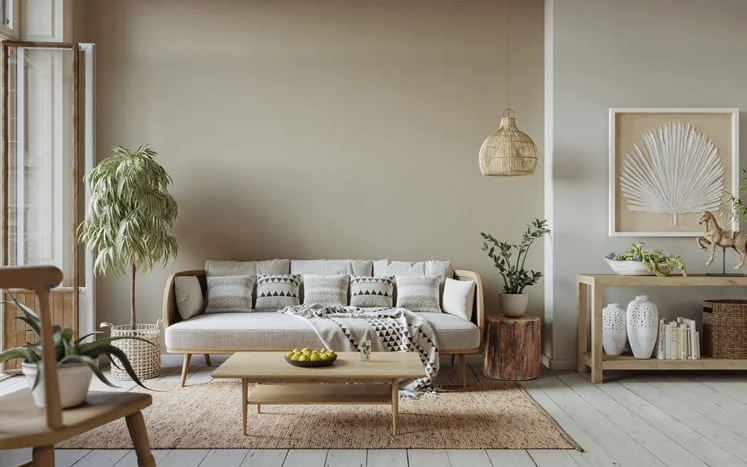
Have you ever wondered how to achieve harmony in interior design so that your home looks great, meets your daily needs, and still feels connected to nature? Striking that balance transforms any space into a calm sanctuary.
In this guide, you will discover:
- Space planning techniques that support smooth traffic flow
- Furniture choices with built-in storage for a clutter-free look
- Color, lighting, and texture strategies for a cohesive palette
- Ways to bring sustainable materials and greenery indoors
- Tips for weaving a consistent design narrative through each room
- Ideas for multi-sensory details like water features and natural scents
- Smart and modular solutions that adapt spaces on demand
Whether you are refreshing a single room or rethinking your entire home, these practical steps will help you create rooms with harmony that feel inviting and functional, while maintaining a strong connection with the outdoors.
Let’s start by exploring how to balance functionality and style.
Balancing Functionality and Style
Achieving interior design harmony means balancing how a space works and how it looks. A clear plan and smart furniture choices lead to a harmonious room that is both useful and welcoming.
Space Planning for Efficient Flow
Begin with accurate measurements and mark fixed features like doors and windows. Use this layout to map out routes that connect entry points, seating zones, and focal areas to foster harmony in a room.
- Maintain at least 30 inches of clearance around main pieces for smooth movement.
- Arrange furniture to guide foot traffic between zones.
- Leave clear sightlines to make small rooms with harmony feel more spacious.
Selecting Furniture with Hidden Storage
Choose furniture that doubles as storage to keep spaces clutter-free. These pieces support interior design harmony by blending form and function in harmonious decor.
- Lift-top ottomans conceal throws, remotes, and magazines.
- Entryway benches with drawers store shoes and accessories.
- Nesting tables offer extra surfaces or stack away when not needed.
Zoning and Traffic Patterns
Define activity areas using upholstered furniture, rugs, and lighting. Low shelves and decorative screens can separate zones in open layouts to enhance harmony in rooms.
- Position sofas or shelving back-to-back to mark boundaries between functions.
- Keep main pathways free from obstacles.
- Align furniture groups to draw the eye and anchor each zone.
From living areas to home offices, balancing function and style establishes a solid foundation for any room with harmony.
Color, Lighting, and Texture Synergy
A cohesive palette, layered lighting, and varied textures turn ordinary spaces into harmonious rooms. These strategies draw from harmony interior design principles to connect each element.
Developing a Cohesive Color Scheme
Use a three-tier color formula to create interior design harmony: a dominant neutral base, supporting accents, and bold highlights. Adjust hues based on light direction to maintain balance across rooms.
- Neutral foundation (60–70%) for walls and large surfaces.
- Supporting hues (20–30%) on furniture, rugs, or built-ins.
- Accent colors (10–20%) in pillows, artwork, or small decor.
In open floor plans, keep the neutral base consistent and use secondary colors to define dining, living, or kitchen areas without breaking visual flow.
Layered Lighting Strategies
Combine ambient, task, and accent lighting to support both function and mood in a harmonious room. Smart controls or dimmers let you shift between bright and relaxed settings.
- Ambient light from ceiling fixtures or recessed cans for overall illumination.
- Task lamps and pendants for work spots and reading nooks.
- Accent sconces and track lighting to highlight art or architectural details.
Mixing Textures for Depth
A balanced mix of natural and smooth textures adds interest to harmonious decor. Combine soft linens, nubby wools, and jute rugs with sleek glass, metal, and polished wood.
Bringing Nature Indoors
Biophilic design connects interior spaces with the outdoors to support well-being. By adding sustainable materials, houseplants, and strategic glazing, you can create rooms with harmony and a sense of calm.
Choosing Sustainable, Natural Materials
Select eco-friendly materials with natural appeal. Bamboo, cork, and reclaimed wood renew quickly and add warmth, while natural stone provides durability and texture. Seek FSC-certified wood and low-VOC finishes to improve indoor air quality.
Integrating Houseplants and Living Walls
Indoor greenery brings life and purifies the air in a harmonious room. Start with low-maintenance varieties like snake plant and pothos, or install a living wall system using modular panels or felt pockets.
Group plants near windows or use self-watering pots. For less chemical use, integrate smart pest control to monitor and manage insects early.
Creating Seamless Indoor-Outdoor Flow with Glazing
Floor-to-ceiling glass, sliding doors, or bi-folds blur the boundary between inside and out. Pair them with artificial turfs just beyond for green views that require little upkeep.
Use clerestory windows and skylights to draw in daylight. Match indoor and outdoor flooring like large-format tile to reinforce the sense of continuous space.
Creating Cohesion Through Theme and Style Blending
A unified design narrative ties all spaces together. By repeating core elements and blending contrasting pieces, you can secure harmony in interior design and ensure every room feels part of a cohesive whole.
Establishing a Unifying Design Narrative
Pick three to five motifs, colors, shapes, textures, or patterns,and apply them consistently at a ratio of 60/30/10. This framework guides the eye and brings interior design harmony from room to room.
Balancing Contrast with Complementary Elements
Contrast creates interest when you mix materials and finishes. Pair matte and glossy accents, rough and smooth surfaces, or vintage and modern pieces. Keep scale in mind to sustain a harmonious room.
- A chunky wood console opposite a slim metal mirror
- A bold accessory set against neutral upholstery
Using Repeat Patterns and Shapes
Limit patterns to four designs and echo a single color or geometric shape in pillows, rugs, art, and lighting. This approach reinforces harmonious decor and makes rooms feel connected.
Enhancing Multi-Sensory Experience
True harmony in a room goes beyond sight. Sound, scent, and touch add layers of comfort and engagement for a fully immersive environment.
Incorporating Water Features and Ambient Sound
A tabletop fountain or wall-mounted trickle offers gentle white noise for focus and relaxation. Complement with a playlist of natural sounds to deepen the sensory experience.
Using Aromatherapy and Natural Fragrances
Diffuse essential oils like citrus, lavender, or cedarwood near vents or open shelving. Rotate seasonal blends to keep the atmosphere fresh and inviting.
Selecting Fabrics and Finishes for Touch
Natural fibers like linen, wool, and hemp invite touch and signal comfort. Mix smooth leathers and polished woods with textured textiles to highlight contrast and add warmth.
Advanced Strategies: Adaptive and Smart Design
Adaptive layouts and smart home systems let you tailor spaces for any need, supporting harmony interior design that works as hard as you do.
Modular and Fold-Away Furnishings
Modular sofas, wall beds, and fold-away tables free up floor space when not in use. Folding partitions and acoustic panels let you reconfigure rooms quickly for different activities.
Dynamic Lighting and Climate Control via Smart Systems
Smart lighting systems adjust intensity and color temperature to mimic daylight cycles. Paired with air-quality sensors and motorized shades, they maintain comfort and support well-being.
Reconfiguring Spaces on Demand
A central hub controls lighting, climate, shading, and security via smartphone or voice. Switch modes instantly to shift a room from work to rest or from living to entertaining.
Practical Tips and Common Pitfalls
Maintaining harmony in rooms means following simple dos and don’ts. Use these actionable tips to keep each space balanced and inviting.
Avoiding Overcrowding and Clutter
- Keep entryways clear to support flow and welcome guests.
- Limit under-bed storage to closed drawers to prevent hidden piles.
- Use baskets or built-in cubbies for extra items.
- Remove decor that no longer serves your function or style.
- Install artificial turf in outdoor areas to reduce indoor dirt and maintenance.
Establishing a Clear Focal Point
- Position sofas or beds so they face an entry at an angle, not directly.
- Anchor seating areas with rugs, artwork, or standout lighting.
- Avoid layouts without a clear visual center, which can feel disjointed.
Ensuring Correct Scale and Proportion
- Measure rooms and furniture before buying.
- Allow 18 to 30 inches between chairs and tables.
- Use simple ratios, such as furniture height being about one-third of wall height.
- Avoid pairing oversized pieces with very small accessories.
Conclusion
Creating harmony at home means blending how spaces function, how they look, and how they feel. From smart layouts to sustainable materials and multi-sensory details, each strategy supports a room with harmony that reflects your style and connects to nature.
Key takeaways:
- Plan efficient traffic flow and choose multifunctional furniture to support interior design harmony.
- Apply a 60/30/10 color scheme, layer ambient, task, and accent lighting, and mix textures for depth.
- Use sustainable woods, stone, and live plants to bring biophilic elements into harmonious rooms.
- Repeat core patterns, shapes, and contrast pieces to maintain a cohesive design narrative.
- Enhance sound, scent, and touch with water features, diffusers, and natural textiles.
- Embrace modular furnishings and smart controls to adapt spaces on demand.
- Keep focal points clear, minimize clutter, and ensure correct scale and proportion.
By following these guidelines, you can transform any room into a harmonious sanctuary where function, style, and nature blend seamlessly.
Ellie Williams studied at Miami State University and majored in Marketing with a minor in creative writing. She enjoys doing freelance writing on general business, wellness, and lifestyle tips. During her free time, she enjoys catching up with friends and family or attending local events.