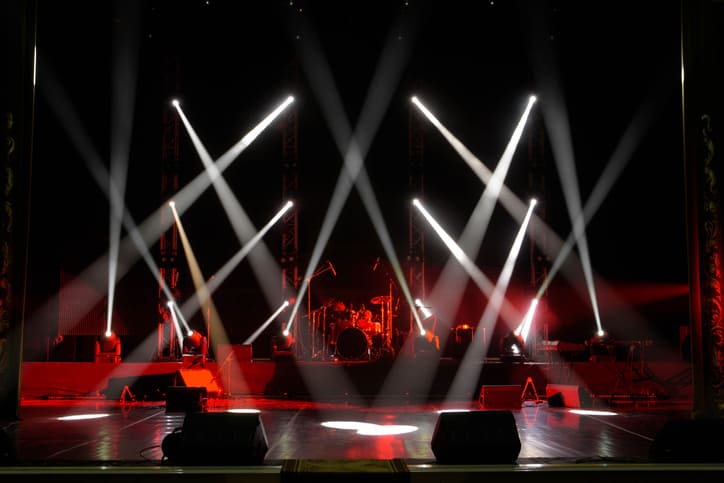
A concert may last two hours, but getting it on stage can take months. Once a tour crosses borders, the job becomes more demanding. Different markets bring different rules, costs, and audience habits.
International concert production is a business operation from the start.
Why International Concert Production Is Difficult to Scale
Live entertainment is local. An artist can sell strongly in one city and see a different response in another. Venue standards vary, as do labour rules, permits, taxes, ticketing systems, supplier costs, and competition.
That makes cross-border event production hard to standardise. A plan that works in one country may need to change in the next because transport, staffing, or venue requirements affect the economics.
For artists and management teams entering multiple markets, a live event production company can integrate tour planning, budgeting, venue coordination, concert ticketing, marketing, and technical delivery into a single operating model.
Selecting Viable Markets and Venues
The obvious first place to start is demand, but it’s not the only factor.
A concert promoter also has to consider ticket history, audience concentration, competing events, realistic ticket prices, and the cost of reaching the audience. The picture can be very appealing until venue costs rise or demand falls.
Venue choice deserves the same attention. Capacity matters, but so do loading access, rigging limits, curfews, backstage facilities, and technical restrictions. A larger room can increase revenue potential while also raising rental, staffing,g and production costs.
Good concert tour planning also considers the wider route. A strong city may make little sense if it creates an expensive detour between dates. This is where concert logistics becomes a commercial issue too.
Building a Sustainable Financial Model
Artist fees are not the only component of the budget.
The costs of live event production may include venue, staging, sound and light, local crew or crew hire, security, transport, accommodation, insurance, marketing costs, ticketing fees, taxes, and contingency reserves. Across several countries, small differences add up quickly.
Currency and tax exposures also need to be considered. Revenue can be recorded in one currency, and expenditure in another. Tax laws may vary from country to country. Official guidance on VAT rules and rates can help clarify some obligations for European operations.
The downside, base-case, and upside scenarios show how changes in sales, exchange rates, or production costs could affect an event before major commitments are locked in.
Coordinating Cross-Border Production
Once dates are confirmed, international event management becomes a coordination exercise.
Promoters may be working with artist teams, venues, technical suppliers, security providers, local authorities, hotels, transport companies, ticketing platforms and marketing partners at once.
Issues rarely stay isolated in one area. Shrinking the marketing window may be achieved by a late venue confirmation. Technical changes can increase freight costs. Depending on the route and jurisdiction, equipment crossing borders can also be subject to customs procedures.
Clear responsibilities, realistic deadlines, and fast communication help keep those issues manageable. This matters on European concert tours, where neighbouring countries can have very different operating practices.
Combining Central Control With Local Expertise
International projects need a central team that sees the full picture, while local knowledge makes the plan work on the ground.
Central teams can maintain consistent budgets, reporting, artist communication, and production standards. Local teams know venue practices, supplier reliability, staffing norms, local requirements, and audience expectations.
NTR team is one example. The company says it has over 10 years of experience and 150 employees in over 28 countries and over 100 cities. In the last 12 months, it has hosted 350 events, worked with 60 artists, and welcomed over 2 million people across its platforms.
Using Data to Manage Risk
Sales velocity by city, date, price category, and campaign source can show whether marketing spend should change, whether targeting is working, and whether venue configuration still makes sense. Operational reporting can also show whether permits, staffing, transport,t and technical preparations are on schedule.
That makes data a practical part of event risk management. Weak early sales may justify moving budget, while stronger demand could support more inventory or a revised seating plan.
Creating a Repeatable Operating Model
Scalable international concert production depends on processes that can be repeated under pressure.
Clear ownership, reliable partners, real-time communication, contingency planning, documented workflows, minimises last minute improvisation. They also make problems easier to spot before they become expensive.
Transport disruption, equipment delays, regulatory changes, and artist schedule changes will still happen. The idea is to create an operating model that can absorb those pressures while still maintaining control of the larger tour.
For business leaders, the lesson is clear. International live events succeed through coordination across finance, logistics, data, and local execution. What happens before the lights go up is critical to the business’s success, but the audience sees the show.
Disclaimer: This article contains sponsored marketing content. It is intended for promotional purposes and should not be considered as an endorsement or recommendation by our website. Readers are encouraged to conduct their own research and exercise their own judgment before making any decisions based on the information provided in this article.