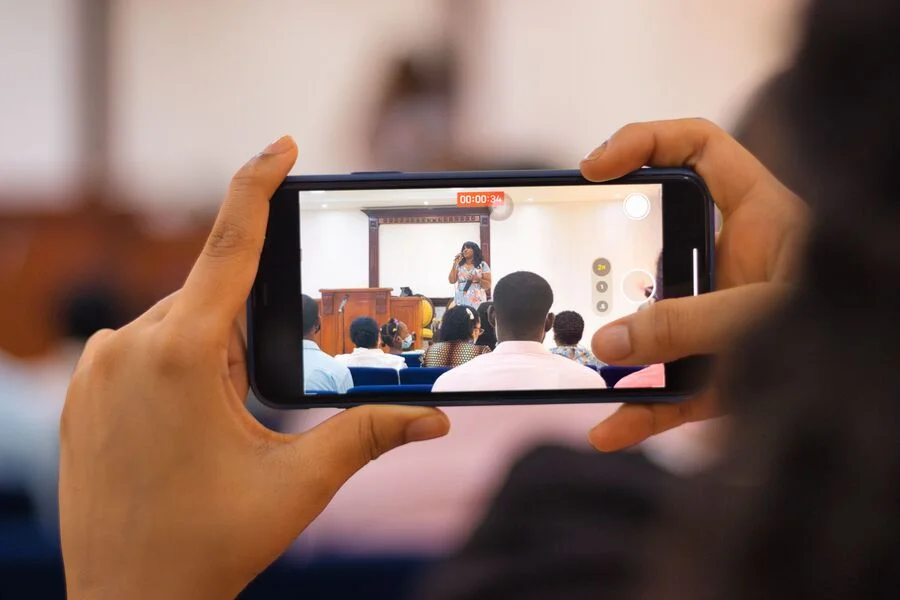
Live streaming has become a viable business channel. It’s estimated that global live streaming as a whole will hit $97.39 billion in 2026, a huge increase from $76.86 billion in 2025. It’s expected that the market will continue to grow until 2031.
How Brands Are Using Live Streams
Amazon Live hosts real-time video shopping experiences, combining social interactivity with the ability to shop. The platform gives creators the chance to show products in use, and it also allows people to speak to viewers.
Walmart has also experimented with live shoppable broadcasts. On TikTok, events feature creators presenting various shopping items. TalkShopLive was used to distribute live shopping content through the site and across other channels. Another example would be Whatnot. This is a live-streaming shopping platform where sellers showcase items through real-time video.
One important factor to take note of is that brands don’t always need to stream themselves. They can work with content creators on social media who know how to hold an audience’s attention. Live product demonstrations or Q&A sessions give brands access to audiences, while ensuring that a transparent idea of how the product works is provided.

Inside the Live Streaming Boom
In 2025, people watched 29.7 billion hours of live content across various platforms. YouTube Live accounted for half of these watch hours, and TikTok Live accounted for 27%. The sheer diversity of content has helped to scale live streaming even more.
Fans can easily watch music performances and gigs they can’t attend, and sports viewers can watch events unfold in real time, even if they don’t have a ticket to the match. Gaming audiences can watch people play titles and react to them, which provides an entirely new experience.
Bingo has also embraced live streaming. Those who are signed up to a bingo cash app will also know that live bingo games run around the clock, allowing those who don’t live near a venue, or those who want to play online, to get the same experience as traditional bingo, but in a live-streamed format.
As livestreaming is such a big part of our world, businesses that embrace it now will find that it’s easier to target audiences in a way that works for them.
Modern Ways Businesses Can Use Live Streaming
Product launches give consumers the chance to get a sneak peek at something new, and when used in conjunction with marketing campaigns, it’s possible to generate a lot of buzz about a particular item. Businesses can answer questions as they come in and demonstrate features. Software companies can go live to show how to do a common task, and then answer questions at the end for people who may have been tripped up by the process.
Some uses are more internal. Companies can live stream training, onboarding sessions, and updates to employees who may live in different parts of the country. Staff can ask questions in real time, and anyone who misses it has the opportunity to watch it later.
Conferences and other in–person events can reach a wider audience through live broadcasts. A business can stream panels, discussions, or presentations for those who can’t travel, and then break the livestream into shorter clips so they can be shared on social media.
Ideas like this don’t require a huge production budget and are a useful way to connect with audiences.
Commercial Challenges Associated with Livestreaming
Live streaming comes with a number of challenges that businesses need to address. Weak internet speeds can lead to low video quality and stream drops. Real-time encoding requires reliable computers and clear microphones. Even if there are no technological failures, live broadcasts mean bloopers or platform outages happen in real time, and there’s no way to edit them.
Ways to combat this include testing equipment before going live. Wired connections can be used, and backup internet access should be in place prior to going live. Having a moderator who can answer questions and who can alert the presenter to any issues is also a good way to navigate any streaming complexities that may arise, while ensuring that the business is always presented in a positive, transparent light.
As streaming equipment is now more available than ever, there’s never been a better time to not only invest in it, but also invest in the preferences of modern-day users.
Disclaimer: This article contains sponsored marketing content. It is intended for promotional purposes and should not be considered as an endorsement or recommendation by our website. Readers are encouraged to conduct their own research and exercise their own judgment before making any decisions based on the information provided in this article.