A roof is often thought of simply as a barrier between you and the elements, providing shelter from rain, snow, and sun. But, a quality roof does far more than that. It’s a vital component of your home’s structure, one that can significantly affect your comfort, energy consumption, and even your property’s market value. In this article, we’ll explore how a quality roof safeguards your home, saves energy, and increases property worth.
1. Protecting Your Home from the Elements
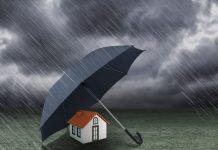
The primary function of a roof is to protect your home from the elements—whether it’s the blazing summer sun, harsh winter snow, or heavy rainfall. But not all roofs are created equal. A well-built, properly maintained roof provides the defense your home needs to remain intact.
Your roof works as a shield against the external environment. Without it, moisture, debris, and extreme temperatures could quickly compromise the integrity of your home’s foundation and structure. When a roof is strong and leak-free, it keeps mold, mildew, and rot from taking hold, preserving the materials inside your home. Furthermore, it keeps your attic and living spaces dry, preventing water from entering the house, which could lead to costly repairs down the line.
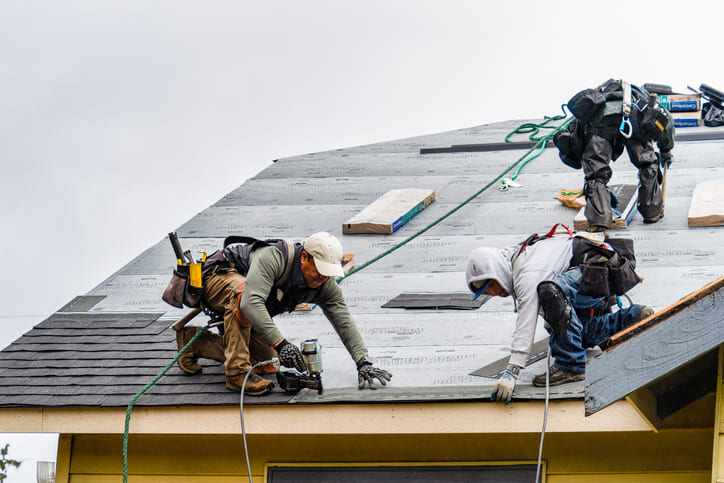
By investing in a high-quality roof, you’re essentially preventing a range of potential issues from ever developing. Working with a reliable roofing contractor like Carmody Construction Inc ensures proper installation and long-term performance. Regular maintenance ensures that it continues to perform at its best, adding to your home’s longevity.
2. Enhancing Energy Efficiency and Comfort
A good roof does more than just keep the rain out—it also plays a critical role in your home’s energy efficiency. Roof materials, insulation, and ventilation can greatly affect how well your home retains heat during the winter and stays cool during the summer.
In hot climates, a reflective roof coating or a roof made from reflective materials, such as metal, can significantly reduce the amount of heat absorbed by your home. This results in less demand for air conditioning and lower cooling costs. On the other hand, in colder climates, a well-insulated roof helps trap warmth inside, reducing the need for heating systems to work overtime.
Proper ventilation is just as important as insulation. A roof with proper airflow allows warm air to escape during the summer, preventing it from accumulating in the attic. This reduces the load on your HVAC system, ensuring that your home remains comfortable throughout the year.
If you’re considering a roof upgrade, working with a metal roofing company can provide you with energy-efficient options that reflect heat while ensuring proper insulation. Metal roofs, for instance, are known for their longevity and energy-saving benefits, making them an ideal choice for homeowners looking to enhance comfort and lower energy bills.
3. Increasing Your Property Value
One of the lesser-discussed benefits of a quality roof is how it can increase your home’s value. A new roof or a well-maintained one can make a significant difference when you’re selling your home. Potential buyers know that a solid roof reduces the chances of future repair costs, making your property more attractive.
In fact, real estate professionals often list the roof’s condition as a key selling point. A roof that’s in good shape signals to buyers that the home has been properly cared for, increasing the likelihood of a sale at or above market value. On the flip side, a worn-out roof can have the opposite effect—potential buyers may factor in the cost of repairs or replacement when making an offer, which could lower the sale price.
In addition to making your home more appealing to buyers, the quality of your roof can also contribute to curb appeal. A stylish, modern roof can boost the aesthetic appeal of your home, giving it a fresh and polished look that makes it stand out in your neighborhood. This can be especially important in areas where homes tend to look similar, as it gives your property a unique edge.
4. The Cost-Effectiveness of a Quality Roof
While it’s true that installing a high-quality roof comes with an upfront cost, it’s important to view this as a long-term investment. A durable roof doesn’t just protect your home; it also helps you save money in other areas. For instance, as we’ve already discussed, a well-insulated roof reduces the need for heating and cooling, translating to lower utility bills.
Moreover, a durable roof means fewer repairs. Regular maintenance extends the life of your roof, preventing small issues from turning into costly repairs. With proper care, a quality roof can last decades, offering you excellent value for money over its lifespan.
When comparing roofing options, consider the materials and warranties available. Materials like slate, tile, and metal can be more expensive initially, but their longevity makes them a smart financial choice in the long run. They require less frequent repairs and can last much longer than less durable materials.
5. Peace of Mind: Ensuring Safety for Your Family
A reliable roof offers more than just physical protection from the weather—it also ensures the safety of your family. An old or damaged roof can be a safety hazard, especially if it’s prone to leaks or structural issues. In severe cases, a compromised roof may collapse or let in enough water to damage your home’s electrical systems, leading to dangerous situations.
When you invest in a new, quality roof, you’re not just safeguarding your home from the elements—you’re also ensuring that your family is safe and secure inside. Roofs made from high-quality materials are much less likely to succumb to extreme weather conditions, giving you peace of mind knowing your home is resilient.
6. Environmental Benefits of a Quality Roof
Sustainable roofing materials are another key benefit of a high-quality roof. In today’s world, homeowners are increasingly concerned with their environmental footprint, and the roof you choose can contribute to that effort. Some roofing materials, such as metal, are 100% recyclable, making them a more sustainable option compared to asphalt shingles.
Furthermore, energy-efficient roofing options reduce the amount of energy required to maintain a comfortable indoor temperature, which ultimately lowers your carbon footprint. By choosing a roof that minimizes energy consumption, you’re not just saving money—you’re also doing your part to reduce greenhouse gas emissions.
If you’re looking for more insight into roofing options and what materials might be best for your needs, consider checking out the National Roofing Contractors Association.
Conclusion
A quality roof is much more than just a functional feature of your home. It serves as a safeguard, protecting your home from the elements, enhancing your energy efficiency, and even boosting your property’s value. When you invest in a durable roof, you’re also ensuring your home remains safe and secure for years to come. Whether you’re building a new home, renovating, or replacing your current roof, consider the long-term benefits of choosing a high-quality, energy-efficient option. A good roof doesn’t just shelter—it actively contributes to your home’s comfort, safety, and overall value.