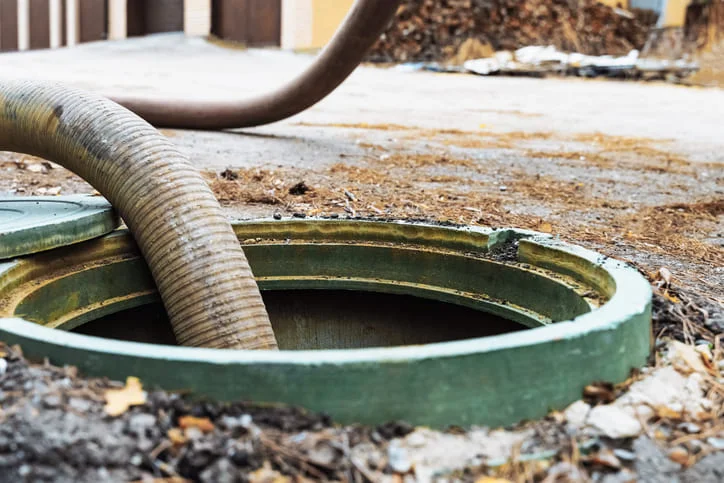
Maintaining a septic system is a crucial aspect of home ownership, particularly for those living in areas not serviced by municipal sewage systems. Many homeowners overlook the importance of regular Septic System Cleaning, potentially leading to costly repairs or replacements. This article explores how consistent maintenance not only preserves the system’s functionality but also significantly extends its lifespan. We will discuss the role of cleaning in maintenance, identify key indicators for scheduling cleanings, and outline best practices to ensure your septic system remains in optimal condition.
The Role of Regular Septic System Cleaning in Maintenance
Septic systems require routine maintenance to function efficiently, much like any other component of a home. Regular cleaning prevents the buildup of sludge and scum, which can clog the system and lead to backups or failures. Utilizing Energy Audit Software can help homeowners track the frequency and effectiveness of septic cleanings, ensuring that their systems operate at peak performance. By scheduling consistent cleanings, homeowners can avoid unnecessary stress and expenses associated with emergency repairs.
Furthermore, engaging professional services that understand Homeowner Association (HOA) Compliance can ensure that your septic system maintenance aligns with community regulations. This compliance not only protects your property value but also contributes to the overall well-being of the neighborhood.
Key Indicators That Your Septic System Needs Cleaning
Recognizing the signs that your septic system requires cleaning is essential for preventing significant issues. Common indicators include slow draining sinks, toilets, and showers, as well as unpleasant odors emanating from drains or the yard. An Indoor Air Quality Monitor can be a useful tool for detecting airborne contaminants that may indicate septic system issues. Additionally, if you notice patches of unusually lush grass near the septic tank, it could be a sign of leakage, necessitating immediate attention.
Consulting a Feng Shui Consultant may provide unexpected insights, as they often assess the environmental harmony of a home, including how waste systems interact with natural surroundings. These consultants can sometimes identify areas where septic systems might be impacting the home’s energy flow and suggest timely maintenance.
How Cleaning Affects the Longevity of Your Septic System
Regular Septic System Cleaning is pivotal in extending its lifespan. Over time, waste accumulation can lead to system strain and eventual failure. By regularly removing this buildup, homeowners can significantly reduce the risk of damage. Studies show that systems receiving regular maintenance last 10-15 years longer than those neglected (Source: Environmental Protection Agency, 2022).
Incorporating Sustainable Landscaping Practices around the septic system can also contribute to its longevity. These practices help manage water flow and reduce soil erosion, minimizing the potential for system overload. Furthermore, using a Radon Mitigation System ensures that harmful gases do not interfere with the septic system’s operation, promoting a safer home environment.
Best Practices for Effective Septic System Cleaning
To maximize the effectiveness of septic system maintenance, it is recommended to follow certain best practices. First, establish a regular cleaning schedule based on the size of your household and the capacity of your system. Second, employ certified professionals who possess Home Staging Certification, as they understand the intricacies of home systems and can ensure thorough cleaning.
Additionally, integrating Smart Home Integration Specialist knowledge can help automate maintenance reminders, ensuring timely cleaning and preventing neglect. A Kitchen Workflow Analysis might reveal how waste is managed within the home, offering insights into optimizing septic system usage. Lastly, utilizing a Home Inventory Management System can track maintenance history, aiding in future planning and budgeting.
Conclusion
Regular Septic System Cleaning is vital for extending its lifespan and maintaining a healthy home environment. By understanding the role of maintenance, recognizing key indicators of needed cleaning, and adhering to best practices, homeowners can protect their investment and avoid costly repairs. Prioritizing these actions assures a sustainable living space, contributing positively to both personal well-being and community harmony.