Dealing with water damage in a home can be overwhelming, especially when it stems from industrial sources. Homeowners often face challenges in mitigating water damage due to the complexity and scale of such situations. Addressing these issues promptly is crucial to prevent further structural damage and health risks. This guide will explore the causes and consequences of industrial water damage, outline essential restoration steps, advise on selecting the right service, and suggest preventative measures to safeguard against future incidents.
Industrial Water Damage: Causes and Consequences
Industrial water damage often arises from sources such as nearby factories, industrial spills, or malfunctioning municipal systems. This type of damage can lead to significant structural issues within the home, including compromised foundations and weakened support beams. Moreover, exposure to contaminated water from industrial sources can pose severe health risks. Homeowners should be aware of the potential for hazardous contaminants, such as lead or other toxic substances, which require immediate and specialized attention. One critical aspect of understanding industrial water damage is recognizing its impact on Indoor Air Quality (IAQ). Contaminated water can introduce mold and mildew, leading to poor air quality and respiratory issues. An IAQ Monitor can be an invaluable tool for homeowners to detect and address these concerns early on. Engaging with a professional service specializing in Industrial Water Restoration is advisable.
Essential Steps for Effective Water Restoration
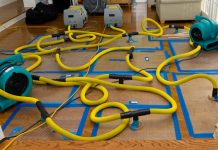
Effective water restoration involves a thorough and strategic approach. The first step is to perform a Childproofing Assessment to ensure the safety of all family members during the restoration process. It is crucial to remove any hazards and secure the affected area. Next, a detailed inspection to assess the extent of damage should be conducted, utilizing tools and technologies such as moisture meters and thermal imaging.
Homeowners can also benefit from using Home Inventory Management Software to document the damage for insurance purposes. This software helps in creating a detailed record of affected items, which can expedite claims and ensure adequate compensation.
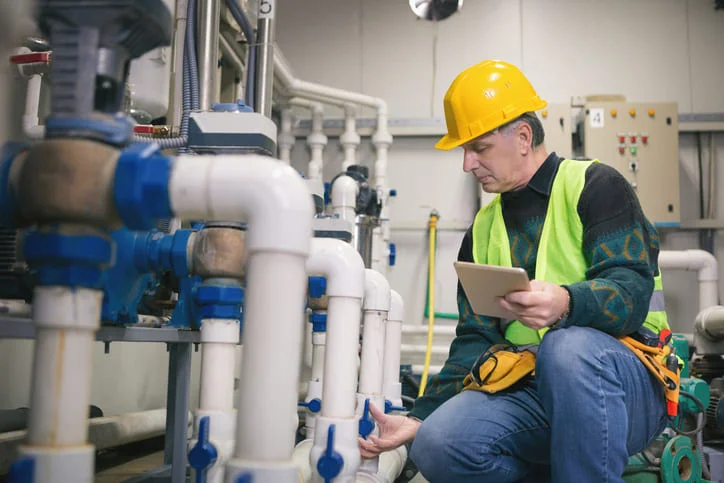
For industrial water damage, engaging with a professional service specializing in Industrial Water Restoration is advisable. These experts are trained to handle complex cases and provide comprehensive solutions tailored to the specific needs of the home. According to the Industrial Water Restoration experts at Roto-Rooter, timely intervention and specialized techniques are key to successful recovery.
Choosing the Right Water Restoration Service
Selecting the right water restoration service is critical in ensuring effective and efficient recovery. Homeowners should look for providers with a strong track record in handling industrial water damage specifically. It is advisable to evaluate potential services based on their response time, expertise, and the range of technologies they employ.
For instance, providers who incorporate advanced technologies such as Smart Thermostat Calibration for managing humidity levels can offer more precise environmental control. Additionally, seeking services that adhere to Child Safety Gate Compliance ensures that the restoration process considers the safety of young children in the household.
Furthermore, checking for compliance with Homeowner Association (HOA) Regulations can prevent any legal issues during the restoration process. This consideration is particularly important for homes located within HOA-governed communities.
Preventative Measures for Future Water Issues
Preventative measures are essential to protect your home from future water damage. Investing in a reliable Radon Mitigation System can help manage underlying risks associated with industrial pollutants. Furthermore, incorporating Eco-Friendly Insulation Materials can enhance the home’s resistance to moisture and reduce the risk of mold growth.
Homeowners should regularly update their Seasonal Home Maintenance Checklist to include checks for potential water intrusion points. This proactive approach can identify vulnerabilities early, allowing for timely repairs.
Additionally, considering the installation of a Home Automation Hub can provide an integrated solution for monitoring various home systems, including water detection and management. This technology enables homeowners to respond quickly to any alerts, minimizing potential damage.
Conclusion
Understanding the intricacies of Industrial Water Restoration is vital for homeowners facing such challenges. By taking informed steps to address damage, selecting the right restoration service, and implementing preventative measures, homeowners can effectively manage and mitigate the risks associated with industrial water damage. Being proactive and informed ensures the safety and resilience of the home, providing peace of mind for families.