Experiencing flood damage in your home can be overwhelming, leaving homeowners unsure of where to start with the restoration process. The aftermath of a flood involves not only cleaning up but also ensuring that your home is safe and structurally sound. Understanding the steps involved in Industrial Water Restoration is crucial for effective recovery and prevention of future incidents. This article provides homeowners with a comprehensive checklist to navigate flood damage restoration, highlighting essential assessment steps, service selection criteria, and preventative measures.
Industrial Water Restoration: An Overview of Flood Damage Recovery
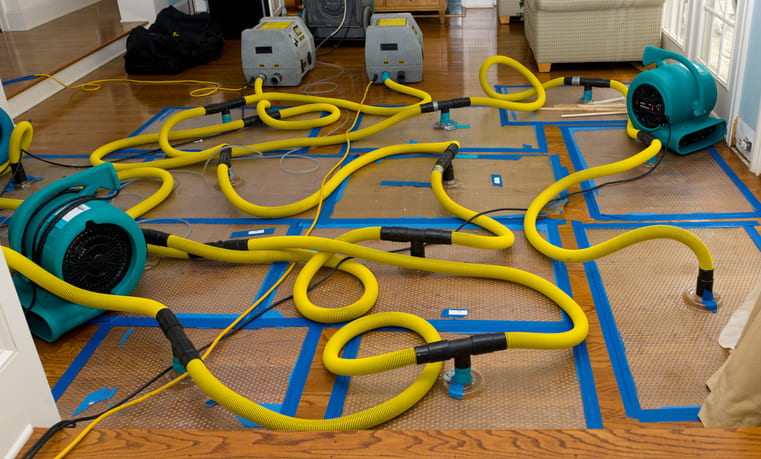
Flood damage recovery begins with a thorough evaluation of the affected areas, often requiring the expertise of professionals equipped with specialized tools. For instance, an Indoor Air Quality Monitor is essential to detect mold and mildew, which can proliferate in damp environments following a flood. Homeowners need to prioritize water extraction and drying processes to prevent further structural damage. A Homeowners Association (HOA) Regulations review may also be necessary to ensure compliance with community standards during restoration. Engaging with Industrial Water Restoration services can be crucial, as studies indicate that prompt and professional water removal can reduce restoration costs by up to 40% (Source: Roto-Rooter, 2023). Homeowners should consider these services to expedite recovery and ensure comprehensive remediation.
Essential Steps for Assessing Water Damage in Your Home
The first step in assessing water damage is conducting a Childproofing Assessment to ensure that any exposed electrical systems or structural weaknesses do not pose a risk to family safety. This assessment should be followed by a detailed inspection of all building materials for signs of water infiltration, particularly Eco-Friendly Building Materials that might have been compromised.
A Lead-Based Paint Inspection is also recommended, as water exposure can exacerbate the deterioration of older paints, potentially releasing harmful substances. Utilizing a Smart Home Integration Specialist can enhance your home’s resilience by installing sensors that detect water leaks, providing real-time alerts to prevent extensive damage.
Key Considerations for Choosing a Water Restoration Service
Selecting a reliable water restoration service involves evaluating several key factors. Homeowners should look for companies with Universal Design Certification, indicating their capability to handle diverse home layouts and accessibility needs. Additionally, the service’s ability to implement Landscape Architecture Compliance measures can be pivotal in preventing future water-related issues caused by poor drainage or landscaping.
It’s important to verify the restoration service’s adherence to the Home Renovation Permit Process, ensuring that all necessary legal requirements are met during repairs. When considering services, request quotes and timelines from at least three providers to compare pricing and efficiency. For more information, visit the Industrial Water Restoration page, which offers detailed insights into service offerings.
Preventative Measures to Avoid Future Flood Damage
Implementing preventative measures is crucial to minimize the risk of future flood damage. A Feng Shui Consultant can help optimize your home’s layout to improve energy flow and reduce clutter, which can obstruct water pathways during floods. Energy Efficiency Audits are also beneficial, identifying areas where water-resistant materials and systems can be applied to enhance your home’s resilience.
Noise Mitigation Solutions, although primarily aimed at reducing sound pollution, can also offer secondary benefits by ensuring that structural barriers are robust enough to withstand water pressure. Regular Landscape Architecture Compliance checks can help maintain proper drainage and prevent water accumulation around your home’s foundation.
Conclusion
Recovering from flood damage requires a structured approach, beginning with assessment and continuing through to preventative strategies. By engaging with professionals who offer specialized services such as Indoor Air Quality Monitoring and Universal Design Certification, homeowners can ensure a thorough and effective restoration process. Investing in preventative measures, such as Smart Home Integration, can further safeguard your home against future incidents. With these strategies, homeowners can navigate flood recovery with confidence and security.