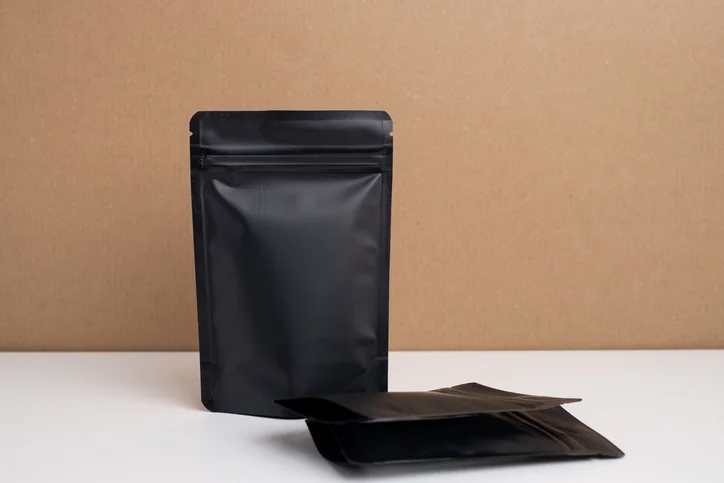
For years, packaging was treated as the final step in manufacturing. Once everything was produced, it was simply a matter of packing and shipping. But that approach no longer holds up in today’s manufacturing environment.
Now, every part of the process is under pressure to move faster, waste less, and stay cost-efficient. This is especially true for manufacturers in industries like electronics, precision components, and new energy, where product protection and consistency are critical.
That shift is why more manufacturers are turning to flexible packaging. With companies like EONSEN Pack, a custom flexible packaging manufacturer since 2004, focusing on performance-driven design, packaging is becoming a practical way to support efficiency across the entire production line, not just the final step.
It Starts on the Production Floor: Faster, Smoother Operations
If you look closely, efficiency issues often begin on the production floor. Small delays, awkward handling, or packaging that doesn’t quite fit the process can quietly slow operations down. Over time, those small inefficiencies start to add up.
Flexible packaging helps remove that friction. It’s designed to work with modern production lines, especially those running at high speed or relying on automation. Because the materials are lighter and easier to handle, they move through equipment more smoothly and require less manual adjustment.
The same applies to storage and internal transport. These formats take up less space and are easier to move between stages, which helps keep workflows steady.
The result? Fewer interruptions, less downtime, and fewer bottlenecks. And when production runs smoothly from one step to the next, it becomes much easier to maintain consistent output without unnecessary delays.
Less Waste, Better Output: A Smarter Use of Materials
Beyond improving workflow, material efficiency is another area where flexible packaging makes a real difference. Material waste is one of those hidden issues that can quietly affect both cost and performance.
Traditional rigid formats often use more material than necessary, and even small inefficiencies can add up over time. In comparison, flexible solutions use lighter, more adaptable materials that reduce excess without compromising performance. That means less material per unit and fewer resources wasted during production.
It also supports better consistency. With improved control over how materials behave, manufacturers often see fewer defects and a more stable output. Less rework, fewer rejected units, and lower scrap rates all contribute to smoother operations.
The good news? These improvements don’t just support efficiency, they also align with growing sustainability goals. Companies like EONSEN Pack are helping manufacturers reduce material use while maintaining the performance needed for demanding applications.
Built for Protection: Reducing Damage and Product Loss
When you’re dealing with high-value industrial products like circuit boards, batteries, or precision components, protection isn’t optional. A small scratch, moisture exposure, or static discharge can turn a perfectly good product into a loss. In industries where performance depends on exact conditions, even minor damage can have serious consequences.
Flexible packaging is built with these challenges in mind. Depending on the application, it can provide moisture barriers, anti-static (ESD) protection, and strong puncture resistance. The goal is simple: keep sensitive products stable and protected from the moment they leave the production line to when they reach their destination.
Better protection leads to fewer damaged goods, which means fewer returns and less time spent on rework. It also helps maintain product quality and consistency, especially in high-precision manufacturing environments where defects are costly.
If you’re unsure where losses are coming from, packaging is often part of the answer. Improving it can lead to real savings that aren’t always obvious at first, but make a noticeable difference over time.
Flexibility Beyond the Name: Adapting to Different Products
Not every product fits neatly into a standard packaging format. Different shapes, materials, and handling requirements mean manufacturers need options that can adapt quickly. That’s where this type of packaging really stands out.
It offers a wide range of customization, from size and structure to material composition. Whether a product needs extra durability, specific barrier properties, or a unique shape, the packaging can be designed to match. This is especially useful for products with more demanding requirements, such as electronic components or precision parts.
This makes it easier to support different product types without overhauling the entire process. If a new product line is introduced or specifications change, adjustments can be made without slowing production down.
In fast-moving environments, that level of adaptability isn’t just helpful. It’s often what keeps operations running efficiently.
Supporting Sustainability Without Slowing Things Down
At the same time, sustainability is no longer a side topic. For many manufacturers, it’s now part of everyday decision-making. The challenge is finding solutions that reduce environmental impact without affecting performance.
Flexible packaging offers a practical balance. With options like recyclable and biodegradable materials, it helps lower material use while still meeting functional needs.
At the same time, efficient packaging reduces waste across the production process. So you’re not just improving sustainability on paper, you’re making real progress without adding complexity or slowing operations down.
Small Changes That Drive Big Efficiency Gains
Packaging is no longer just a finishing touch. It plays a direct role in how efficiently manufacturing runs day to day. Flexible packaging offers a practical, scalable way to improve operations, and companies like EONSEN Pack continue to push that shift forward. As manufacturing evolves, smarter packaging choices will play an even bigger role in staying competitive.