In drilling operations, managing solid waste effectively is crucial for maintaining equipment efficiency and reducing environmental impact. Many drilling professionals struggle to understand the best methods for separating solids from drilling fluids, which leads to the question: How do vibrating screens help in solids control?
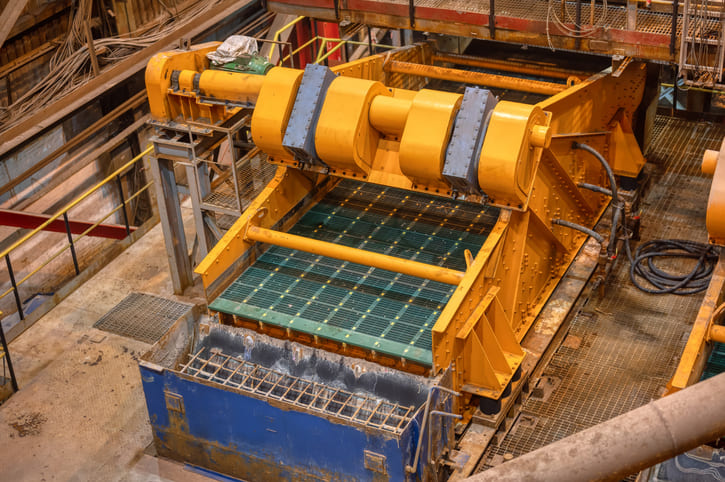
Vibrating screens help in solids control by using mechanical vibration to separate solid particles from drilling fluids based on particle size. The screens shake at high frequencies, allowing smaller particles and fluids to pass through while retaining larger solids on top.
While this basic explanation covers the fundamental purpose of vibrating screens, there’s much more to understand about their operation, including the different types of motion patterns, mesh sizes, and how they work in conjunction with other solids control equipment. Understanding these details can significantly improve your solids control efficiency and reduce operational costs.
What Are The Different Types Of Vibrating Screen Motions?
Vibrating screens typically employ three main types of motion patterns: linear motion, circular motion, and elliptical motion. Linear motion screens move back and forth in a straight line, which is particularly effective for separating coarse materials and preventing screen blinding. Circular motion screens move in a circular pattern parallel to the screen surface, which helps transport materials across the screen while separating them. Elliptical motion combines both linear and circular movements, offering versatile separation capabilities.
The choice of motion pattern significantly impacts separation efficiency. Linear motion screens are often used in the first phase of separation where larger particles need to be removed. Circular motion screens excel at handling wet materials and are commonly used in secondary screening stages. Elliptical motion screens provide a good balance and are frequently used in applications requiring both transport and separation of materials.
How Do Different Mesh Sizes Affect Solids Control Performance?
Mesh size, measured in API numbers, determines the size of particles that can pass through the screen. Common mesh sizes range from API 20 (coarse) to API 200 (fine). Coarser meshes are typically used in the initial screening stages to remove larger cuttings, while finer meshes are employed in subsequent stages for more precise separation.
Selecting the appropriate mesh size is crucial for optimal performance. Using too fine a mesh can lead to reduced flow rates and screen blinding, while too coarse a mesh might allow unwanted particles to pass through. Most solids control systems use a progressive approach, starting with coarser meshes and gradually moving to finer ones.
How Do Vibrating Screens Work With Other Solids Control Equipment?
Vibrating screens are typically just one component in a comprehensive solids control system. They often work in conjunction with hydrocyclones, centrifuges, and mud cleaners. The screens usually serve as the first line of defense, removing larger particles before the fluid moves on to more sophisticated separation equipment.
The integration of vibrating screens with other equipment must be carefully planned. The screen’s capacity and efficiency directly impact the performance of downstream equipment. For example, if vibrating screens fail to remove larger particles effectively, this can overload hydrocyclones and centrifuges, reducing their efficiency and potentially causing equipment damage. Proper coordination between different components ensures optimal solids control and drilling fluid maintenance.
What Are The Common Maintenance Requirements For Vibrating Screens?
Regular maintenance is essential for maintaining vibrating screen efficiency. Daily inspections should focus on checking screen panel integrity, tensioning systems, and vibrator bearings. Screen panels typically need replacement every 100-300 hours of operation, depending on the abrasiveness of the solids being processed and operating conditions.
Preventive maintenance tasks include lubricating bearings according to manufacturer specifications, checking vibrator motor alignment, and inspecting frame welds for fatigue cracks. It’s also important to monitor vibration amplitude and frequency regularly, as changes in these parameters can indicate developing problems. Many modern screens come equipped with sensors that can help track these measurements automatically.
The cost of neglecting maintenance can be significant, potentially leading to screen failure, reduced separation efficiency, and unexpected downtime. Creating and following a comprehensive maintenance schedule is crucial for maximizing screen life and maintaining consistent performance.
What Environmental And Safety Considerations Apply To Vibrating Screen Operations?
Environmental concerns primarily revolve around proper containment and disposal of separated solids. Drilling waste must be managed according to local regulations, which often require specific handling procedures and documentation. Modern vibrating screen systems typically incorporate features to minimize dust generation and prevent spillage.
Safety considerations include noise exposure, as vibrating screens can generate significant noise levels, often exceeding 85 dBA. Proper hearing protection is essential for workers in the vicinity. Mechanical hazards from moving parts must be addressed through proper guarding and lockout/tagout procedures during maintenance.
Vibration exposure is another important safety consideration. While modern screens are designed to minimize vibration transfer to supporting structures, regular monitoring of mounting systems and isolation devices is necessary to prevent excessive vibration that could affect both equipment and personnel safety. Regular safety training and adherence to standard operating procedures help minimize risks associated with vibrating screen operations.
Conclusion
Now that you understand the fundamentals of vibrating screens and their role in solids control, the most important step is to evaluate your current maintenance schedule. Compare your existing maintenance practices with the recommended daily inspections and 100-300 hour screen panel replacement intervals mentioned above, and adjust your schedule accordingly to optimize your equipment’s performance and longevity.