Challenging the Logic of “More”
For decades, the global skincare industry has been built on a simple assumption: improvement comes from addition.
More active ingredients, advanced formulations, and faster, more visible results. This logic has shaped one of the largest consumer industries in the world. In Europe alone, the skincare market is valued at over $30 billion, with steady growth driven by innovation, performance ingredients, and increasingly complex routines. The broader beauty and personal care sector in the EU exceeds €180 billion in annual consumer spending — reflecting how deeply embedded skincare has become in everyday life.
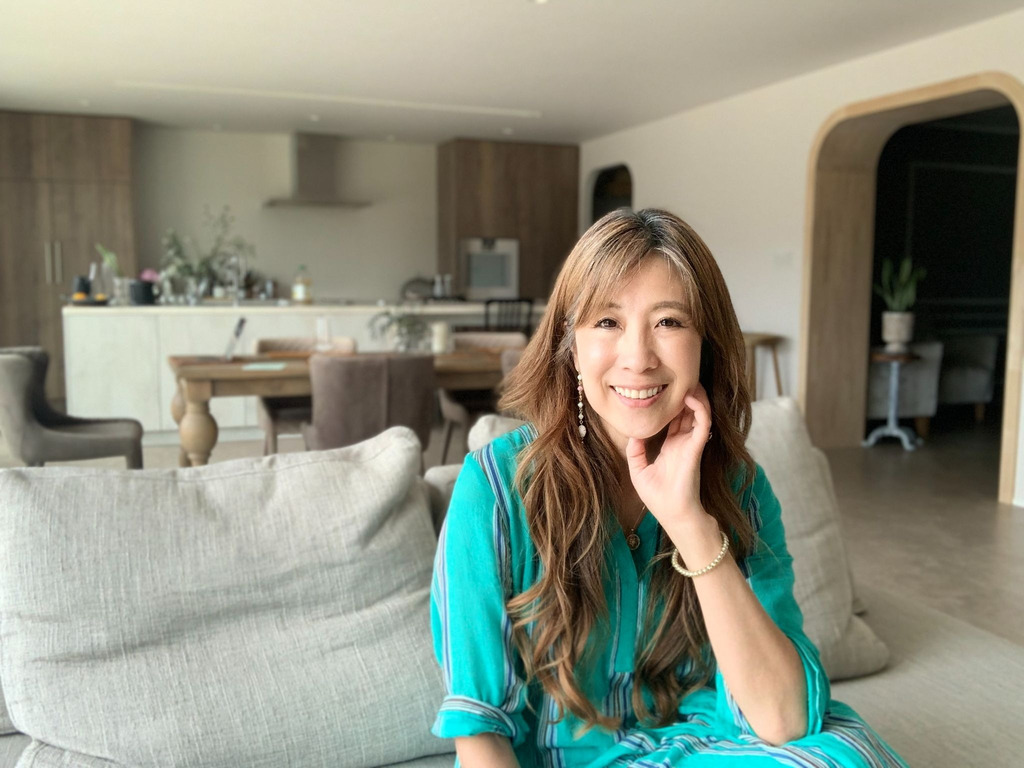
But according to Hiromi Takahashi, this assumption may be fundamentally incomplete.
“My journey started with a simple question,” she explains. “Why do we always try to improve the skin by adding more?”
In many global markets, skincare is closely tied to the idea of intervention. When something isn’t working, the natural response is to intensify the approach — add a new ingredient, increase potency, or introduce more steps. Takahashi believes this pattern reflects not just a strategy, but a mindset.
“In skincare, we are taught that adding more will solve the problem,” she says. “But what I learned over time is the opposite.”
Rather than viewing the skin as something to fix, she began to see it as something to support. This shift may seem subtle, but it changes the entire framework. Instead of asking what should be added, the question becomes: what is already there — and what does it need to function properly?
That question became the foundation of her work — and the beginning of a perspective that challenges how skincare itself is defined.
A Different Starting Point: Function Over Intervention
This question led Takahashi to focus not on surface-level correction, but on the underlying function of the skin. In particular, she identified circulation as a critical foundation.
“Carbon dioxide does not ‘add’ anything to the skin in the conventional sense,” she explains. “It works by supporting circulation, which is fundamental to how the skin functions.”
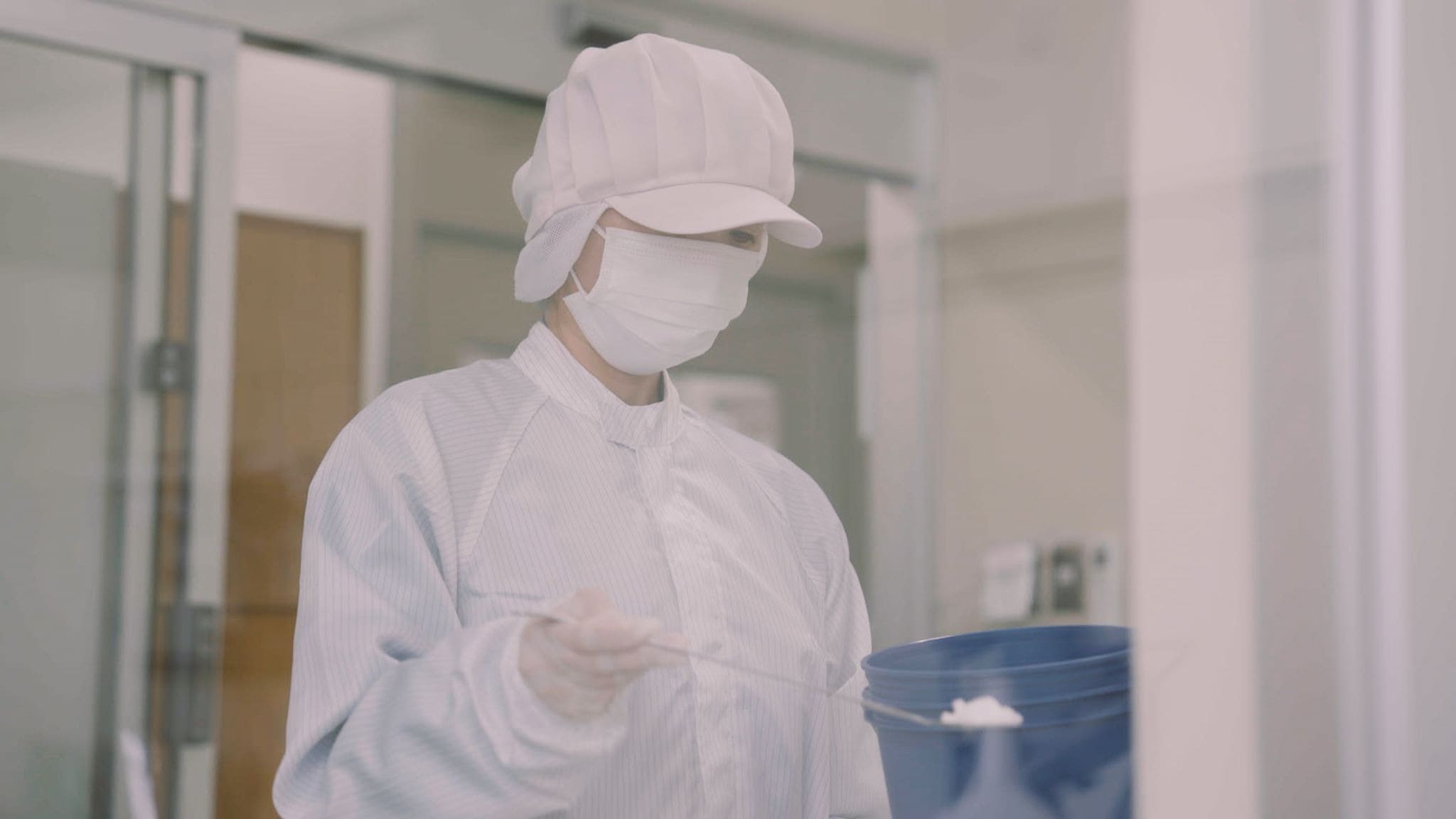
For Takahashi, CO2 is not simply an ingredient. It is a way of translating a distinctly Japanese philosophy — one that values balance, restraint, and the beauty of space — into skincare. Through CO2plus Corporation, she has spent over 30 years researching and developing CO2-based skincare with this principle at its core.
Rather than forcing visible change, this approach works indirectly — supporting oxygen flow, nutrient delivery, and the skin’s natural rhythm. For Takahashi, this is not a limitation. It is the point.
“Skincare is not about controlling the skin,” she says. “It is about respecting how it already works.”
Rooted in Japanese Aesthetics and Culture
While her work is grounded in research and product development, Takahashi sees its origins as deeply cultural.
“In Japan, we value balance and space,” she explains. “We don’t believe everything needs to be filled.”
The philosophy also reflects principles often associated with Zen, where essence emerges through refinement rather than accumulation. This perspective is reflected across Japanese traditions — from design to hospitality — where restraint and intention often take precedence over excess. In skincare, it translates into a philosophy of subtraction.
“Beauty is not created by adding more,” she says. “It is revealed by removing excess and allowing the natural function to emerge.”
This idea connects to long-standing practices such as carbonated hot springs, where people experience the benefits of circulation not through theory, but through physical sensation. In Japan, circulation has long been understood not only as a physiological process, but as part of maintaining overall balance and well-being. What CO2plus has done is translate that sensory and cultural understanding into modern skincare — and into something scientifically reproducible.
Why the Approach Is Often Misunderstood
Despite its strong foundation, Takahashi acknowledges that her approach is not always immediately understood — particularly in markets where results are expected to be fast and visible.
“In many places, skincare is associated with quick results,” she says. “Compared to that, supporting circulation can feel subtle.”
This difference in perception creates a challenge. Because the effects are gradual, they may not align with expectations shaped by high-impact marketing and the promise of immediate transformation. However, Takahashi does not see this as a weakness.
“It is not about being dramatic,” she explains. “It is about being sustainable.”
Her focus is not on short-term change, but on long-term stability — restoring balance rather than overriding it.
A Turning Point During the Pandemic
This philosophy became even more defined during the COVID-19 pandemic. With restrictions affecting salon-based and in-person services, Takahashi and her team faced a fundamental shift in how they engaged with customers.
“Instead of focusing on selling products, we focused on sharing knowledge,” she says.
Online education, direct communication, and deeper explanation of the philosophy behind CO2 skincare became central. In the process, something changed.
“The message became clearer,” she reflects. “We returned to our core.”
Without relying on immediate, visible results, the emphasis moved entirely to understanding — helping people see skincare not as a quick fix, but as a long-term relationship with their own skin.
From Control to Harmony
At its core, Takahashi’s work represents a broader shift in perspective. Rather than controlling the skin through external inputs, she encourages alignment with its natural processes.
“Skincare is not about control,” she says. “It is about harmony.”
This idea extends beyond skincare itself. As people begin to approach their skin differently, they often begin to approach themselves differently as well — becoming more attentive, less reactive, and more intentional.
“I encourage people to move away from asking ‘What should I add?'” she explains. “And instead ask, ‘What can I remove, and what should I support?'”
Toward a New Standard
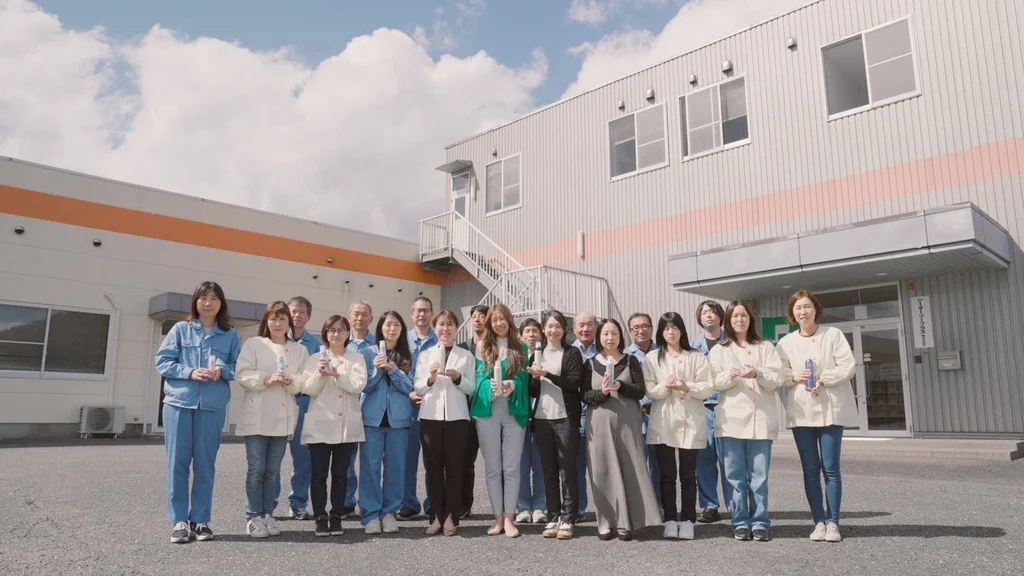
Looking ahead, Takahashi is not focused on competing within existing industry trends. Her goal is to introduce an alternative standard — one where function is valued over immediate appearance, balance over intensity, and long-term health over short-term results.
“We are not trying to create a trend,” she says. “We are trying to create a different way of thinking.”
Rather than pursuing rapid transformation or excess, Takahashi envisions a new standard of beauty — one rooted in function, balance, and long-term trust. This approach may not always be the most visible.
But for Takahashi, visibility is not the objective. Trust is.
“We may not be the most noticeable,” she says. “But we want to be deeply trusted.”
The photos in the article are provided by the company(s) mentioned in the article and are used with permission.