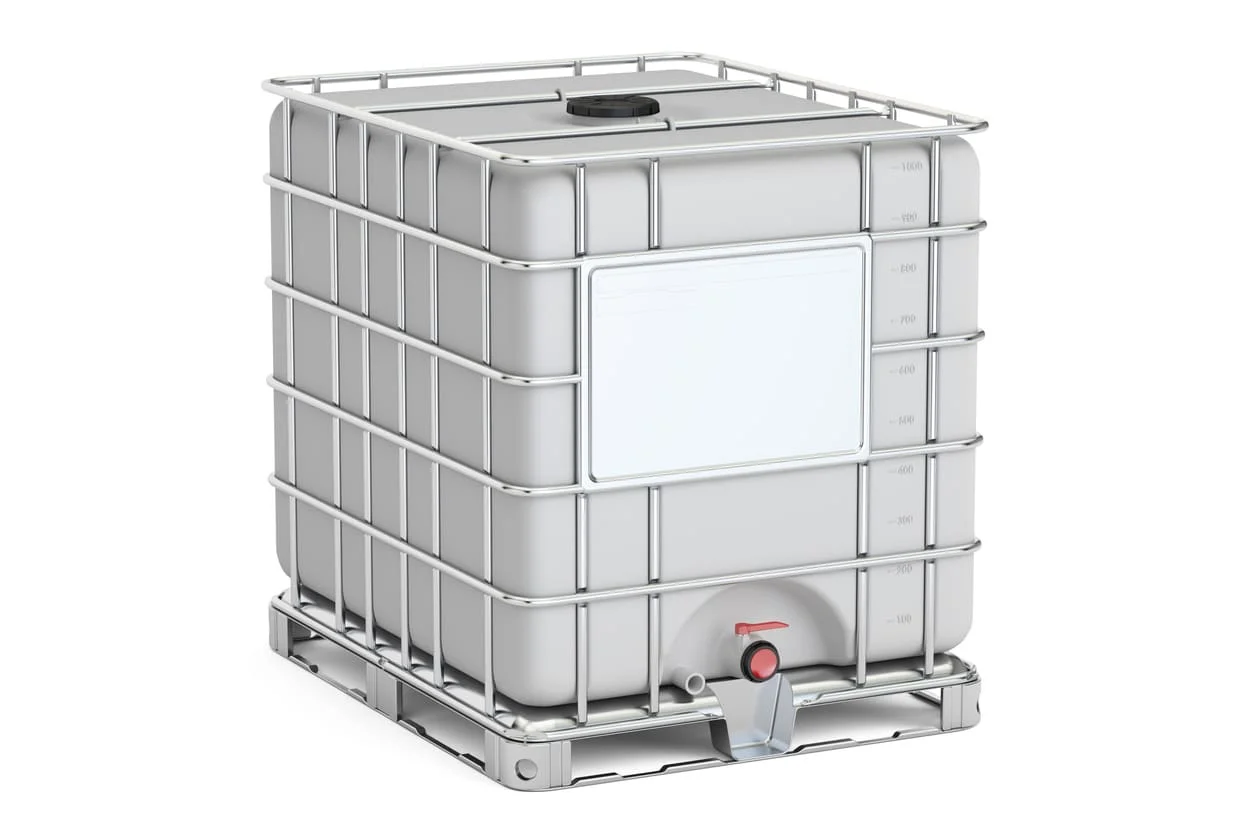
A silent transformation is unfolding across the vast loading docks and storage facilities of Europe. For decades, the sight of blue steel drums stacked in rows defined the visual landscape of chemical plants and food processing units. However, as the European Union tightens its grip on waste regulations and companies look for ways to trim logistics costs, these traditional single-use containers are losing their dominance. The industry is moving toward a more structured, circular approach where volume and durability dictate the pace of progress.
Streamlining the Supply Chain with Modern Vessels
The shift is largely driven by the sheer physical advantages of the square format. While a round drum leaves gaps on a pallet, creating wasted space in a truck or warehouse, the cubic design of the Intermediate Bulk Container (IBC) utilizes every square centimeter. This spatial optimization allows manufacturers to transport larger quantities of liquids with fewer vehicle movements. The adoption of reusable intermediate bulk containers for industrial packaging allows manufacturers to close the loop in their supply chains, ensuring that the vessel is not a liability after the product is unloaded, but a valuable asset that returns to the cycle.
Beyond the shape, the material composition of these units has evolved. Modern versions feature high-density polyethylene tanks protected by a galvanized steel grid. This construction ensures that the contents remain secure during long-distance transport, even when dealing with hazardous substances. Unlike thin-walled drums that often suffer from dents or structural failure after a single trip, these robust systems are designed for multiple rotations. According to the European Commission’s Circular Economy Action Plan, the reduction of packaging waste is a central pillar for industrial growth in the coming decade, making the transition to reusables a regulatory necessity.
Navigating Safety and Hygiene in Bulk Transport
In the food and beverage industry, the requirements for transport vessels go beyond mere durability. Hygiene is the primary concern when moving ingredients like liquid sugars, oils, or fruit concentrates. Steel drums often require plastic liners to prevent contamination or rust, which adds another layer of waste to the process. In contrast, the inner bottles of modern bulk containers are manufactured to meet strict food-grade standards and can be thoroughly sanitized. The ability to track these containers throughout their journey also provides a level of transparency that traditional drums struggle to match.
For the chemical sector, the focus lies on the stability of the container. Many chemicals react to temperature changes or require specialized valves to prevent the buildup of pressure. The integration of advanced discharging systems in reusable IBCs minimizes the risk of spills during the decanting process. This focus on safety is supported by organizations like Cefic, which represents the European chemical industry and emphasizes the importance of secure, sustainable logistics to maintain global competitiveness. When one considers the risk of leakage, a single, reinforced container is often preferable to five separate drums.
The Infrastructure of Return Cycles
The success of circular packaging depends on the network that exists after the initial delivery. A container is only truly sustainable if there is a clear path for its return, cleaning, and reuse. In the past, the lack of standardized collection systems made single-use drums the “easier” choice for many logistics managers. Today, the landscape has changed. Specialized service providers now manage the collection of empty units, taking them to reconditioning centers where they are inspected and prepared for the next customer.
This system creates a flow where the material remains in use for years rather than weeks. By using standardized components, the industry ensures that parts like valves or pallets can be replaced easily without discarding the entire unit. This modularity reduces the demand for raw materials and lowers the carbon footprint of each liter of product shipped. As the pressure from consumers and regulators for transparent supply chains grows, the move toward these high-capacity, circular systems is no longer a niche choice but a standard for any serious player in the European market.
The era of disposal is ending, replaced by a logistics model that treats the container with the same respect as the product inside. This change reflects a broader understanding that efficiency in the 21st century is measured by the ability to keep resources in motion.