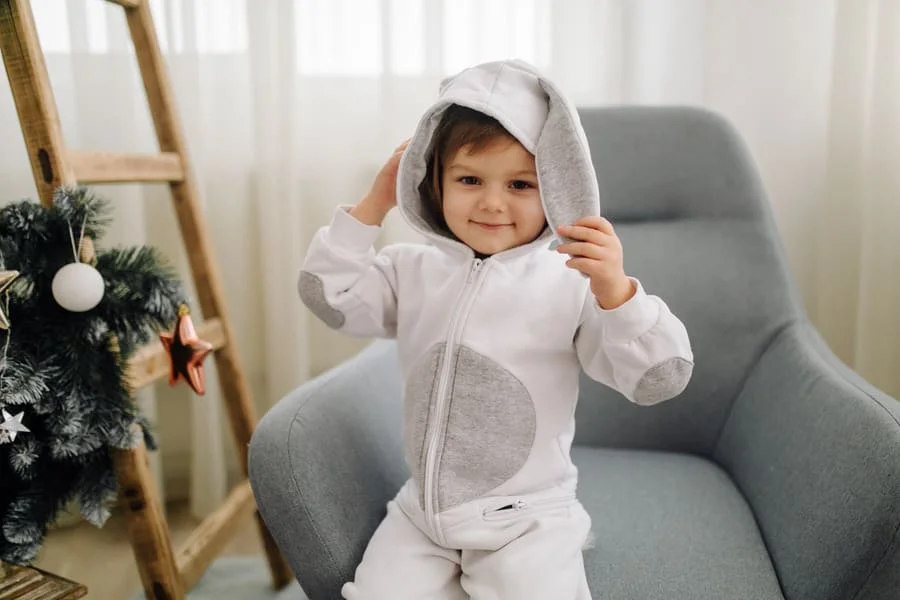
When it comes to the selection of children clothes, comfort and practicality is normally put first. The direct influence of the type of fabric is on the way a garment will feel on the skin, the way it will respond to the changes in temperature, and how easy it will be to care about. In addition to comfort, style and wearability are factors, which contribute to the frequency with which a child will look into some of the pieces in his/her wardrobe.
Over the last few years, parents started to make research on other types of fabrics besides cotton and polyester. Bamboo has been one of them with attention being given to it as a textile to be used in everyday clothes and night wear including pajamas. This paper will give an extensive examination of the fabrics utilized in children clothing, specifically bamboo clothes, although the consideration of the style, durability, and practical usage are also taken into account.
Understanding Fabrics in Children’s Clothing
The dresses of children can be composed of natural and artificial materials. Both fabrics have their advantages and disadvantages:
- Cotton – Breathable, light, and very common. Nonetheless, it is prone to retaining moisture, and may also shrink when washed repeatedly.
- Linen – Cool and airy in nature, with most of the time having a coarse texture, which can be very uncomfortable on delicate skin.
- Polyester – Tough and inexpensive, but less breathable and heat retaining.
- Blended fabrics – Many brands blend fabrics (e.g. cotton-poly blends) in order to strike a balance between softness and strength.
- Bamboo textiles – A somewhat recent arrival and can be made either mechanically (bamboo linen) or chemically (bamboo viscose or rayon). The latter is less stiff and is more frequently used as daily clothes and pajamas.
Knowing about these differences in fabrics would assist parents to select clothes according to the daily activities and comfort requirements of the child.
Fabric Qualities That Influence Wear
Some of the attributes also decide between a favorite and a back-of-the-closet item:
- Breathability – The clothes with airflow are more adequate to the active children and seasons change.
- Moisture management – Absorbent clothing decreases discomfort on the play or sleep.
- Touch – A smooth skin does not cause soreness to tender skin.
- Flexibility – Stretch and drape influence the level of comfort of clothes during movements.
- Care needs – Some fabric can be easily washed and others need to be handled very delicately.
Bamboo is the most breathable, moisture absorbing and soft cloth and this is the reason why it is used in casual wear and pajamas.
Everyday Wear: Where Fabric Choice Matters
Children require dresses that can accommodate different circumstances- to school, play, family outings or just to relax at home. Cloth is the main factor in the versatility of these clothes.
T-shirts/ tops: T-shirts are made of cotton (the most popular) and there are a lot of fabrics made of bamboo, which has become lightweight.
Leggings and pants: stretch fabrics, which may include spandex, are flexible to play. Bamboo products are valued in that they remain soft after several washing.
Undergarments: Clothing that is made of smooth fabrics (modal or bamboo viscose) is appreciated because of the comfort it provides.
Outerwear: Thicker materials such as denim and fleece are durable but might not be as breathable as lighter fabrics.
The parents have a tendency of matching and swapping clothes in the child’s wardrobe to balance prices, wear and tear as well as comfort.
Nightwear and the Role of Bamboo Pajamas
The quality of sleep of children can be determined by the dress they put on to sleep with. Wearings that keep the body warm or rough fabrics may interfere with sleep whereas breathable, smooth fabrics help to create a peaceful climate to sleep.
It is here that bamboo pajamas are frequently mentioned. They are lightweight with the capacity to control the temperature, and thus can be used throughout the year. Cotton is still popular but the other type that can be used is bamboo which can be used by those families who are more concerned with softness and keeping the body cooler at night.
Comparing Fabrics in Real Life
Comparing the various fabrics used in the children clothing, they come out as follows in their daily use:
- Cotton – Cheap, durable, and readily available, but not as effective at moisture exclusion.
- Polyester – Tough and not easily wrinkled, but not comfortable during hot seasons.
- Linen – It is well in summer, and is occasionally too coarse to be applied to tender skin.
- Bamboo viscose – Soft, breathable, and moisture-wicking, yet tends to be more expensive and fragile.
Both of the options have their niche and the choice can be frequently made on the basis of the weight between price, comfort and the purpose of use.
Care and Maintenance of Fabrics
The duration of a garment is very much dependent on the way it is maintained:
- Cotton – Resists regular cleaning but can shrink.
- Polyester – Washable and fast-drying.
- Linen – Tough, but wrinkles and requires ironing.
- Bamboo fabrics – These are always better washed in cold water under the gentle cycle then dried in the air to avoid wear.
The families that add bamboo pajamas or other bamboo clothes to the wardrobe of their children usually notice that with appropriate care practices they manage to preserve the softness and durability.
Environmental Considerations
Sustainability is an emerging issue in the fashion industry. The Bamboo plant is a fast growing plant, needs little water and it regenerates itself without planting. The processing stage however establishes the real environmental footprint of it.
Bamboo fabrics that have been processed mechanically are more environmentally friendly yet not very common.
The solvents are required to treat chemically processed versions (like viscose) and negatively impact sustainability unless managed in a responsible way.
In comparison, cotton is more water-demanding, and polyester is dependent on petroleum. Similar to bamboo, linen is also plant-based albeit slower to mature. Parents who want to have green wardrobes may wish to think of both farming and processing methods before making decisions.
Practical Tips for Parents Choosing Fabrics
Find clothes that are appropriate to the activity level of your child- breathable clothes in the case of very active play, wearing insurance clothes in the case of cold weather.
- Wear simple styles that are simple to wear and take off, particularly among young children.
- Label clothes to see that it can be washed according to the routines of the washing machine in your home.
Strikes a balance between cost and use- more expensive fabrics such as bamboo or linen can be saved when their usage is frequent such as pajamas or undergarments.
Limitations of Bamboo and Other Fabrics
Although bamboo clothes cannot be considered without limitations, their benefits exist:
- Price – Expensive compared to cotton and polyester.
- Durability – Softer fibres are likely to pill under heavy usage.
- Environmental issues – Rely on processes of production.
Yet, there are such trade-offs to each fabric: cotton shrinks, polyester gets hot and linen gets wrinkly. Blending of clothes to accommodate various uses is most beneficial to the parents.
Conclusion
The clothing of children is dependent on fabrics that are comfortable, stylish, and functional. Cotton, polyester, linen will continue to be staples, and bamboo is another choice among the families who would like to have soft breezy clothes. The fact that it is applied in general wear and in pajamas demonstrates that the choice of fabrics may influence the comfort in playtime and sleep time.
The parents can make informed choices by learning the properties of fabrics, the flexibility of styles, and the care needs. Bamboo garments will not displace other cloths, but they can be used in order to add value to a versatile and convenient collection.
Disclaimer: This article contains sponsored marketing content. It is intended for promotional purposes and should not be considered as an endorsement or recommendation by our website. Readers are encouraged to conduct their own research and exercise their own judgment before making any decisions based on the information provided in this article.