In recent years, Ireland has witnessed a remarkable transformation in its approach to beauty and self-care, with the facial aesthetics industry experiencing exponential growth that shows no signs of slowing. What was once considered a luxury reserved for celebrities and the wealthy has now become increasingly accessible to everyday Irish people seeking to enhance their appearance and boost their confidence. From Dublin’s trendy clinics to state-of-the-art facilities in Cork, Galway, and beyond, the demand for non-surgical cosmetic procedures has surged, positioning Ireland as one of Europe’s fastest-growing markets for aesthetic treatments. This boom reflects broader shifts in social attitudes, technological advancement, and economic prosperity, creating a perfect storm of factors that have propelled the industry to new heights.
The Social Media Effect and Changing Beauty Standards
The proliferation of social media platforms has fundamentally altered how Irish people perceive beauty and self-image. Instagram, TikTok, and other visual platforms have created an environment where appearance is constantly scrutinised and curated. Irish influencers and celebrities openly discussing their aesthetic treatments have helped normalise these procedures, removing much of the stigma that once surrounded cosmetic enhancement.
The ‘Zoom effect’ following the COVID-19 pandemic has also played a significant role. As remote working became the norm for many Irish professionals, people found themselves staring at their own faces on video calls for hours each day. This unprecedented self-examination led many to notice fine lines, wrinkles, and other facial concerns they might have previously overlooked, driving increased interest in treatments such as anti-wrinkle injections and dermal fillers.
Furthermore, the concept of ‘preventative aesthetics’ has gained considerable traction among younger Irish demographics. Rather than waiting for visible signs of ageing to appear, millennials and Generation Z are proactively seeking treatments in their twenties and thirties to maintain their appearance and delay the ageing process. This shift towards prevention rather than correction has significantly expanded the market base for aesthetic practitioners.
Economic Prosperity and Increased Disposable Income
Ireland’s robust economic performance over the past decade has created a climate where more people have disposable income to invest in their appearance. With one of the highest GDP per capita rates in Europe, many Irish consumers view aesthetic treatments not as frivolous luxuries but as worthwhile investments in their personal wellbeing and professional image.
The growth of Ireland’s tech sector, attracting multinational corporations and creating well-paying jobs, has cultivated a demographic of young professionals with significant purchasing power. These individuals often work in competitive, image-conscious industries where looking fresh and youthful can be perceived as advantageous for career progression. The willingness to allocate funds towards personal grooming and aesthetic enhancement has become increasingly commonplace in Irish professional culture.
Additionally, flexible payment plans and affordable treatment packages offered by many Irish clinics such as Facial Rejuve have made aesthetic procedures more accessible to middle-income earners. This democratisation of aesthetic treatments has transformed them from exclusive services to mainstream options available to a broader spectrum of Irish society.
Advancement in Technology and Treatment Options
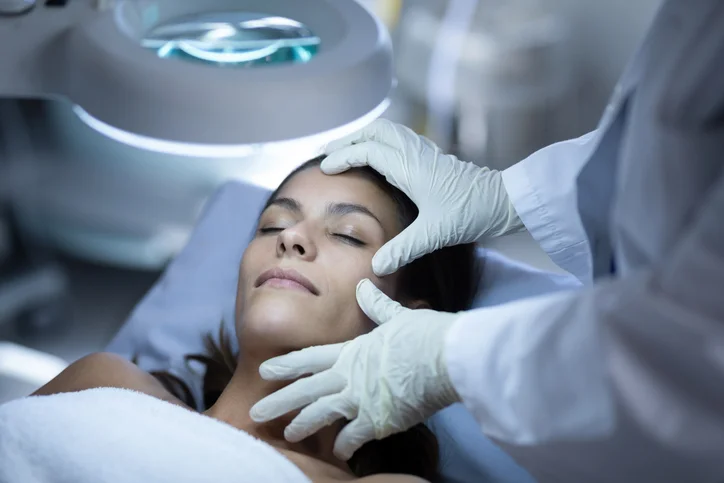
The facial aesthetics industry in Ireland has benefited enormously from rapid technological advancement. Modern treatments are less invasive, require minimal downtime, and deliver more natural-looking results than ever before. This evolution has attracted clients who might have been deterred by the risks and recovery periods associated with traditional surgical procedures.
Irish clinics have been quick to adopt cutting-edge technologies and techniques from international markets. Treatments such as microneedling, radiofrequency skin tightening, and advanced laser therapies have become widely available across the country. The introduction of sophisticated dermal fillers that integrate naturally with facial tissues has addressed previous concerns about unnatural or ‘overdone’ appearances.
Moreover, the development of combination therapies—where multiple treatments are strategically layered to achieve optimal results—has elevated the sophistication of aesthetic medicine in Ireland. Practitioners can now create bespoke treatment plans that address individual concerns with precision, delivering personalised outcomes that enhance rather than alter natural features.
Growing Professional Standards and Regulation
The maturation of Ireland’s aesthetic industry has been accompanied by increased professionalisation and regulatory oversight. While the sector continues to evolve, there has been a concerted effort by industry bodies to establish and maintain high standards of practice, safety, and ethics.
Many Irish aesthetic practitioners have pursued extensive training and qualifications, with numerous medical doctors, nurses, and dentists specialising in facial aesthetics. This medical grounding provides reassurance to consumers concerned about safety and expertise. Professional organisations such as the Irish Association of Cosmetic Doctors (IACD) have worked to promote best practices and continuing education among practitioners.
The push for regulation in the aesthetic medicine sector has gained momentum, with increasing calls for standardised training requirements and oversight mechanisms. This evolving regulatory framework, though still developing, has helped legitimise the industry and build consumer confidence. Prospective clients can now more easily distinguish between qualified professionals and less scrupulous operators, encouraging engagement with reputable providers.
The Influence of Medical Tourism and International Trends
Ireland’s position within the European Union has facilitated the exchange of knowledge, techniques, and trends from continental Europe and beyond. Irish practitioners regularly attend international conferences and training programmes, bringing back the latest innovations to their domestic practices. This global perspective has helped Irish clinics remain competitive and current with international standards.
Conversely, Ireland has also become a destination for aesthetic treatments, with some international clients attracted by the combination of high-quality care, English-speaking practitioners, and the opportunity to combine treatments with tourism. Dublin, in particular, has developed a reputation for housing sophisticated clinics like Amber Surgery that rival those in London or Paris.
The influence of global beauty trends, particularly from South Korea, the United States, and the United Kingdom, has shaped Irish consumer preferences. Treatments popularised elsewhere, such as ‘glass skin’ facials or the ‘lip flip’ technique, quickly find eager markets in Ireland as consumers seek to replicate trends they discover online.
Changing Attitudes Towards Masculinity and Self-Care
One of the most significant developments in Ireland’s aesthetic industry has been the dramatic increase in male clients. Traditional Irish masculinity, which often dismissed cosmetic enhancement as vanity, has evolved to embrace self-care and grooming as legitimate masculine pursuits.
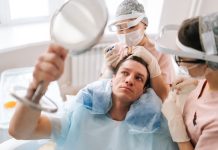
Men now account for a substantial and growing proportion of aesthetic clinic clientele, seeking treatments ranging from anti-wrinkle injections to hair loss solutions. The normalisation of male grooming, driven partly by celebrity culture and social media, has removed much of the embarrassment previously associated with men seeking aesthetic improvements.
Irish clinics have responded to this demographic shift by creating welcoming environments and marketing campaigns that specifically target male clients. Treatments are often framed in terms of professional advantage, confidence building, and holistic wellbeing rather than vanity, making them more palatable to men who might otherwise have felt uncomfortable accessing these services.
The Wellness Integration
The aesthetic industry in Ireland has successfully positioned itself within the broader wellness movement, moving beyond pure cosmetic enhancement to encompass holistic health and self-care. Many clinics now offer comprehensive services that integrate skincare, nutrition advice, and wellness consultations alongside aesthetic treatments.
This reframing has helped destigmatise cosmetic procedures by presenting them as components of overall health maintenance rather than superficial vanity. The emphasis on skin health, for instance, appeals to clients who might resist overtly cosmetic interventions but embrace treatments that promote healthy, radiant skin.
The wellness angle has also attracted an older demographic that views aesthetic treatments as part of healthy ageing. Rather than desperately clinging to youth, these clients seek treatments that help them look refreshed and feel confident as they age gracefully.
Conclusion
Ireland’s facial aesthetics boom represents a convergence of social, economic, and technological factors that have transformed public attitudes towards cosmetic enhancement. What emerged as a niche market has evolved into a mainstream industry serving diverse demographics across the country. The combination of increased disposable income, social media influence, technological advancement, and changing cultural attitudes has created fertile ground for continued growth.
As the industry matures, the focus on safety, professionalism, and natural-looking results will likely intensify, further legitimising aesthetic treatments in Irish society. The ongoing development of regulatory frameworks and professional standards will help ensure that this growth is sustainable and that consumer protection remains paramount.
The facial aesthetics industry in Ireland has fundamentally changed how Irish people approach beauty, ageing, and self-care. No longer shrouded in secrecy or shame, aesthetic treatments have become an accepted part of contemporary Irish life, reflecting a society increasingly comfortable with the pursuit of personal enhancement and wellbeing. As technology continues to advance and attitudes further evolve, Ireland’s aesthetic industry shows every indication of continued expansion, cementing its position as a significant sector within the nation’s economy and culture.