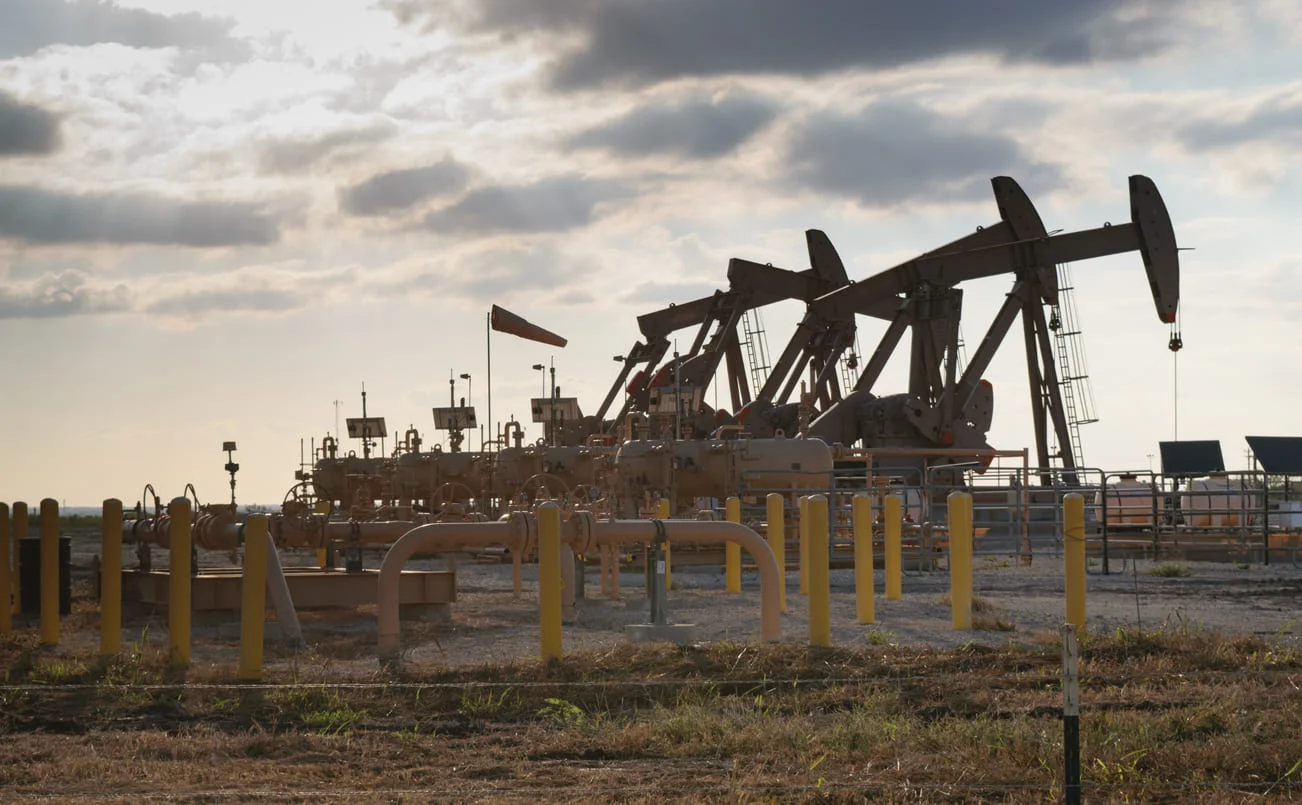
The energy industry depends on a workforce that operates in some of the most demanding environments imaginable. From remote drilling locations to offshore platforms and large-scale production sites, workers perform physically challenging jobs that help power economies around the world. The Permian Basin, one of the most productive oil regions in the United States, is a prime example of the scale and intensity of modern energy operations.
These operations involve heavy machinery, high-pressure systems, hazardous materials, and complex coordination between multiple crews. While technology has improved safety significantly over the years, the work still carries risks that require constant attention, training, and adherence to established safety protocols.
When serious incidents occur, the consequences can be life-changing. Families facing the aftermath of a workplace injury often seek guidance from an experienced oilfield accident lawyer while trying to understand what went wrong and whether safety failures contributed to the event. Investigations frequently reveal that accidents stem from a combination of operational pressures, equipment malfunctions, inadequate training, and preventable human errors.
A Geological Story Millions of Years in the Making
Long before modern drilling rigs existed, vast prehistoric oceans covered large portions of what is now Texas and other energy-producing regions. Over millions of years, organic material accumulated beneath layers of sediment and rock.
As pressure and heat increased deep underground, those materials gradually transformed into oil and natural gas deposits. These geological formations eventually became some of the most valuable energy resources on the planet.
Today, drilling companies invest enormous resources locating and extracting these reserves. Entire regional economies have been built around energy production made possible by geological events that occurred long before human civilization existed.
Pressure Must Be Controlled at All Times
One of the biggest challenges facing drilling crews involves managing underground pressure safely. Oil and gas reservoirs can contain tremendous amounts of energy that must be controlled carefully throughout drilling operations.
Specialized equipment is used to monitor and regulate pressure conditions inside the well. Crews rely on detailed procedures designed to prevent dangerous situations from developing unexpectedly.
When pressure control systems fail or procedures are not followed properly, the results can be catastrophic. Blowouts, fires, and explosions remain among the most serious hazards in the energy industry, which is why pressure management receives so much attention on drilling sites.
Fatigue Creates Risks That Are Easy to Miss
Oilfield operations often run around the clock. Workers may spend long hours performing physically demanding tasks in harsh weather conditions while operating heavy equipment.
Fatigue can affect concentration, communication, and reaction times. A simple oversight that might be harmless in an office environment can have much more serious consequences around drilling machinery or industrial equipment.
Many companies have implemented fatigue management programs to address these concerns. Even so, worker exhaustion continues to be a factor in some workplace incidents, particularly during extended shifts and overnight operations.
Responsibility Can Be Difficult to Untangle
Modern drilling sites often involve multiple companies working together simultaneously. Contractors, subcontractors, equipment providers, and site operators may all perform different functions at the same location.
When an accident occurs, determining responsibility is not always straightforward. Various parties may attempt to shift blame while investigators work to determine who controlled specific operations and whether safety obligations were met.
Because of these overlapping relationships, oilfield accident investigations can become highly complex. Examining contracts, training records, maintenance documentation, and operational procedures often becomes necessary to understand exactly what happened.
Conclusion
The energy industry plays a critical role in supporting modern life, but that role comes with significant responsibilities. Workers who help produce the resources that power homes, businesses, and transportation systems deserve safe working environments and proper protection.
Maintaining safety requires more than advanced equipment. It depends on proper training, effective supervision, strong communication, and a commitment to following established procedures every day.
When preventable accidents occur, careful investigation helps identify the factors that contributed to the incident. Holding negligent parties accountable not only helps injured workers and their families but also encourages safer practices that benefit the entire industry moving forward.