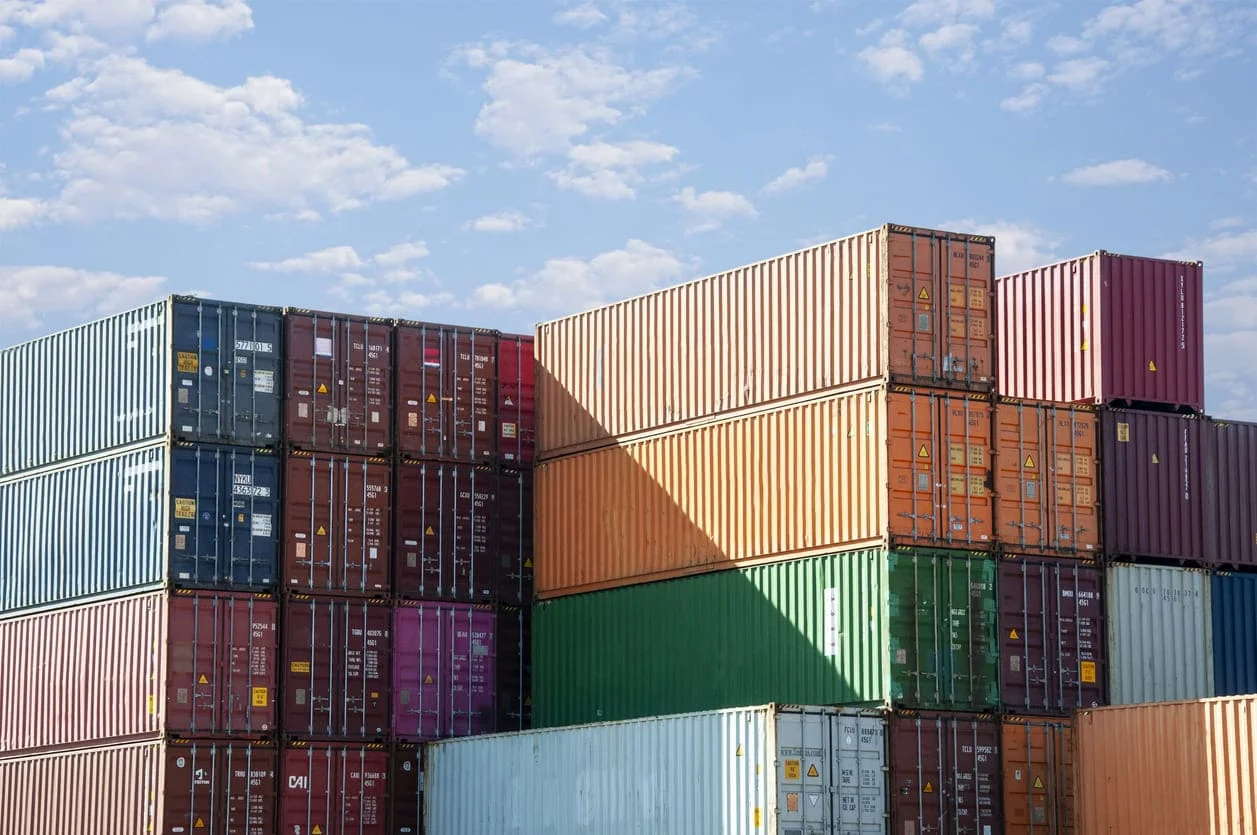
Shipping containers have transitioned from simple industrial tools to essential drivers of modern logistics and construction as of April 2026. These steel structures now anchor a multi-billion dollar industry that prioritizes efficiency, sustainability, and modular design.
Industry analysts report that the versatility of these units allows businesses to scale operations while significantly reducing overhead costs. By repurposing existing assets, companies are finding new ways to address housing shortages and supply chain bottlenecks simultaneously.
The standardization of the shipping container was the single most important spark for globalization in the twentieth century, and it continues to redefine physical infrastructure today.
The Logistics Revolution and Global Trade
The modern logistics revolution began with the shift toward intermodal freight transport, a vision that transformed how goods move across the globe. Today, companies like the Mediterranean Shipping Company utilize standardized units to ensure seamless transitions between ships, trains, and trucks. This uniformity reduces handling delays and improves supply chain management for international corporations and small business operations alike. Behind the scenes, components such as crane rail clips play an essential role in supporting the heavy-duty crane systems that keep cargo moving efficiently.
Beyond basic transport, the industry is increasingly focused on specialized cargo requirements. Modern fleets now prioritize temperature-controlled units for pharmaceuticals and perishables, ensuring that sensitive goods maintain integrity across thousands of miles. This focus on specialized hardware allows logistics providers to penetrate niche markets that were previously inaccessible due to spoilage risks.
Technological integration is further enhancing these physical assets. Many modern units now feature Internet of Things (IoT) sensors, providing real-time tracking and granular data on cargo conditions, such as humidity and vibration levels. This innovation ensures that e-commerce fulfillment stays on schedule and meets strict quality benchmarks, even during complex international transits involving multiple carrier handoffs.
Sustainable Business Practices and the Circular Economy
Building on these logistical efficiencies, the rise of the circular economy has turned repurposed containers into a symbol of sustainable business practices. By opting for upcycled steel structures, firms significantly reduce the demand for traditional building materials like concrete and wood, which carry a much higher carbon footprint. This shift aligns with global ESG (Environmental, Social, and Governance) goals, making modularity a preferred choice for green-certified projects.
In urban centers ranging from the United States to the United Kingdom, shipping containers are being converted into sophisticated modular workspaces and pop-up event spaces. These projects demonstrate how strategic asset retention can lead to cost-effective construction solutions without sacrificing architectural quality. The ability to relocate these structures also provides a level of “future-proofing” that permanent buildings cannot match.
Securing high-quality inventory is essential for the longevity of these sustainable ventures. Organizations seeking durable units often consult specialized providers like TrustBoxCo, which facilitates the acquisition of new and used shipping containers for diverse applications. These suppliers ensure that the structural integrity of the steel is maintained, supporting everything from multi-story residential complexes to heavy-duty industrial enclosures.
Innovation in Logistics and Supply Chain Management
Global logistics firms are integrating Internet of Things (IoT) sensors into standardized shipping units to achieve real-time supply chain transparency. Industry leaders, including Google and the Mediterranean Shipping Company, utilize these data points to monitor internal conditions for temperature-sensitive cargo like pharmaceuticals. “Standardization is the bedrock of modern infrastructure,” noted a logistics analyst regarding the shift toward modular asset tracking.
The digital integration offers several operational advancements:
- Automated crane systems in ports like Chicago and Manchester reduce handling times.
- Predictive analytics optimize vessel loading to reduce fuel consumption and carbon emissions.
- Mobile micro-warehousing enhances e-commerce fulfillment in high-density urban centers.
- High-value electronics receive improved security through continuous GPS monitoring.
Public sector agencies have also adopted these modular systems for rapid deployment. By repurposing containers from specialized suppliers, organizations maintain durable, cost-effective storage solutions that align with modern circular economy standards and industrial durability requirements.
Revolutionizing the Construction Industry Through Modular Design
Building upon these logistical efficiencies, architects and developers are increasingly adopting repurposed shipping containers as primary building blocks to enhance assembly speed. These structures often reach completion 50% faster than traditional masonry or timber buildings. This acceleration is largely due to the off-site fabrication process, which allows site preparation and unit assembly to occur simultaneously.
Commercial Success and Retail Containers
Retailers utilize portable containers to test urban markets with minimal financial risk. Companies like Viva Containers provide customized shells that support brand visibility and rapid scaling. This “plug-and-play” retail model allows businesses to relocate physical storefronts within days to follow consumer foot traffic or seasonal trends.
Modular Workspaces and Portable Offices
The rise of decentralized operations has fueled demand for climate-controlled portable offices at remote job sites. Standardized dimensions allow these units to move via existing intermodal freight networks, ensuring that administrative hubs can be deployed as easily as the raw materials they manage.
Sustainable Business Practices
By sourcing used units from suppliers like TrustBoxCo, organizations significantly reduce the embodied carbon of their projects. This construction method aligns with global environmental targets by extending the lifecycle of industrial steel and reducing the demand for carbon-intensive new materials like poured concrete.
Frequently Asked Questions Regarding Container Innovation
Are shipping containers suitable for cold climates like England or Chicago?
Modern engineering allows these steel units to withstand sub-zero temperatures when equipped with spray-foam insulation and thermal bridging barriers. These modifications are standard for units deployed in northern regions, ensuring interior environments remain stable regardless of external conditions.
What are the zoning and compliance regulations for container buildings?
Regulatory requirements generally depend on whether the unit is classified as a temporary or permanent structure. “Local building codes often mandate specific foundation types and fire-rated interior finishes to ensure safety,” noted a regional planning consultant. Securing site-specific permits is a critical first step for any modular project.
How long do repurposed shipping containers last in a circular economy?
The structural integrity of Corten steel allows these units to remain viable for decades. When diverted from maritime service into stationary roles, regular maintenance of the exterior paint and roof drainage can extend their service life well beyond 30 years, maximizing the return on investment for sustainable developments.
Can I customize a used shipping container for small business operations?
Beyond basic storage, containers are frequently modified with lateral reinforcements to allow for large glass storefronts and open-plan layouts. These architectural adjustments enable entrepreneurs to create scalable retail environments that can be relocated as market demand shifts.
How has standardization impacted global trade and military logistics?
Uniform dimensions allow for seamless transitions between sea, rail, and road transport, minimizing handling time at ports. This logistical predictability is why defense agencies and humanitarian organizations rely on them for “plug-and-play” medical clinics and emergency housing in remote areas.
Where can I find shipping containers for sale for custom projects?
Specialized inventory providers, such as TrustBoxCo, facilitate the acquisition of graded units. These suppliers assist buyers in selecting the appropriate grade, ranging from “one-trip” new units to “wind and watertight” used options, based on the specific demands of the intended application.
Conclusion: The Future of Global Infrastructure
The convergence of modular construction and smart logistics is redefining how the world approaches physical infrastructure. By repurposing standardized steel units, industries are moving toward a “just-in-time” building model that reduces material waste and accelerates project timelines. This shift is particularly evident in the rise of urban infill projects, where limited space requires the precision and stackability that only ISO-standardized containers provide.
As digital integration becomes more sophisticated, the next phase of innovation involves the “smart container” ecosystem. Real-time telemetry and advanced atmospheric controls are transforming these shells into high-tech assets capable of protecting sensitive pharmaceuticals and high-value electronics. “The transition from a simple transport box to a data-driven infrastructure component is well underway,” observed a logistics analyst regarding the industry’s trajectory. Whether serving as a backbone for global trade or a foundation for affordable housing, the shipping container remains central to a more resilient and resource-efficient future.