
By Bartłomiej Wójtowicz, Director of Consulting at Comarch e-Invoicing
Flip the script on e-invoicing. Comarch experts show you how to turn a burdensome tax obligation into a powerful, strategic competitive advantage.
Global e-invoicing mandates needn’t be a CFO’s nightmare. By ditching basic connectors for Comarch’s holistic AP/AR framework, forward-thinking leaders are turning “battle scars” into business gold. Master the shift from fragmented data to a Single Source of Truth and transform regulatory pressure into peak financial performance.
Most companies initially view e-invoicing mandates as a burdensome tax obligation. However, as regulatory pressure mounts from Europe to Asia, the line between merely staying compliant and staying competitive has completely blurred. This shift is no longer just a checkbox for the tax department; it is the “burning platform” required to achieve total financial automation. It’s time to flip the script on regulatory compliance. Drawing on real-world lessons, this article demonstrates how leading finance organizations can turn regulatory shifts into a strategic advantage.
The Double Recognition Framework: Moving Beyond the Basic Connector
Companies often treat an e-invoicing mandate as a localized IT problem rather than a foundation for global financial orchestration. They just want to buy a basic connector to plug their ERP into the local government portal, checking the compliance box for that specific country and moving on.
However, the regulatory landscape is shifting too fast for fragmented solutions. Recently, Comarch was recognized by Forrester in two distinct reports: The Accounts Payable Invoice Automation Landscape, Q4 2025, and Navigate The Accounts Receivable Automation Ecosystem. We were specifically identified in the “AR and AP automation specialist” segment – a category of vendors that cater to businesses wanting a single solution to handle both inbound AP and outbound AR invoices.
Beyond mere vendor validation, this double recognition represents a critical standard of excellence for your financial architecture. It proves that the true strategic value of e-invoicing lies in implementing a holistic ecosystem that closes the loop between AP and AR cycles, rather than in a single connector.
When you approach e-invoicing comprehensively, utilizing API-driven, ERP-agnostic solutions, you ensure continuous operational visibility even during phased, multi-country migrations. You are no longer just sending XML files to a tax authority. You are creating a Single Source of Truth (SSOT) for your entire financial supply chain. For the CFO, this means breaking down the disjointed data silos scattered across regional branches and replacing them with a unified, real-time view of global cash flow. The basic connector keeps you compliant – the holistic framework makes you competitive.
Real-World “Battle Scars”: Lessons from Global Roll-Outs
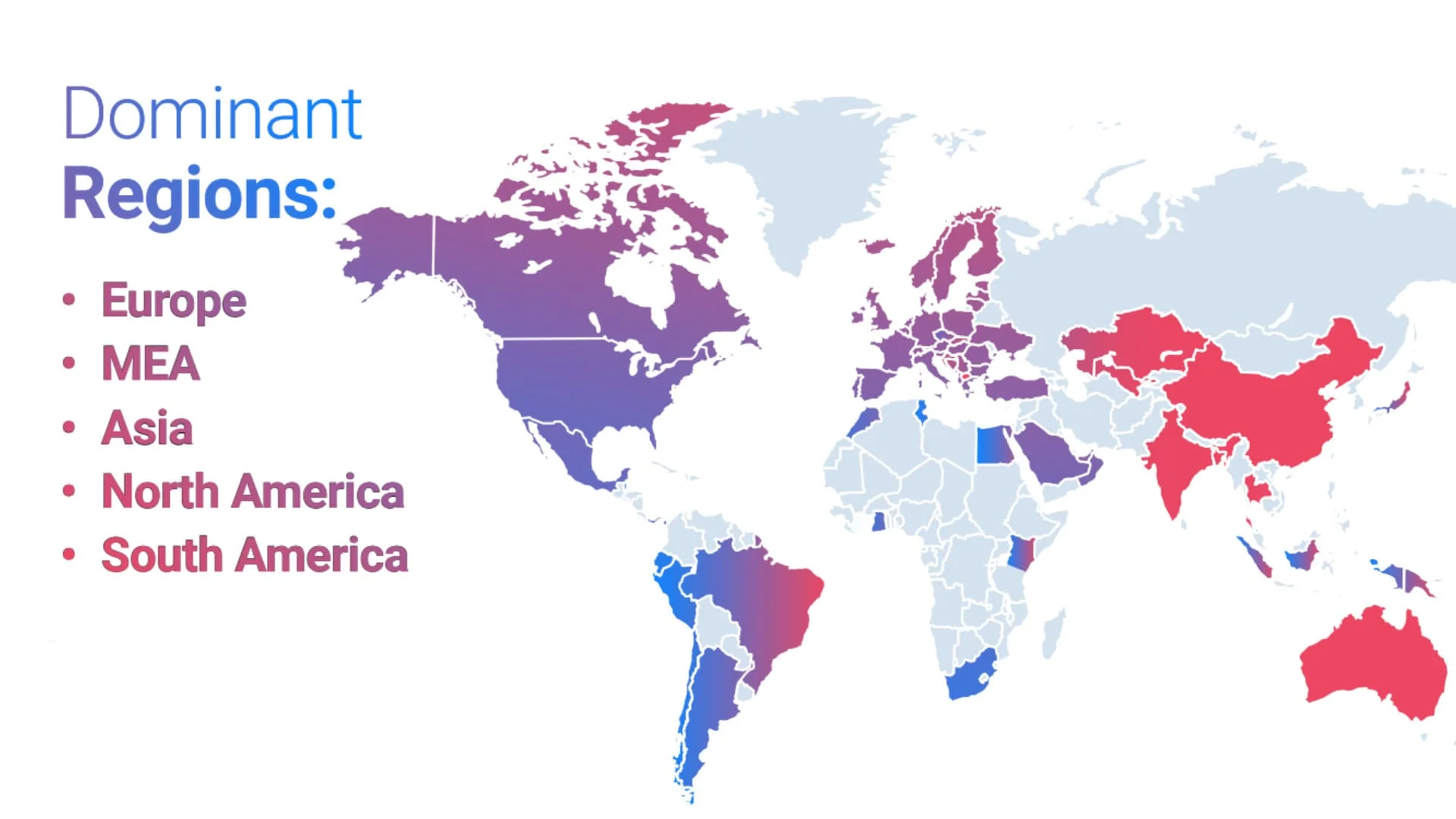
Navigating e-invoicing mandates is rarely straightforward. Moving from a high-level strategic framework to operational reality is where the actual challenge lies. Based on our go-live experiences navigating diverse regulatory architectures, here are four critical lessons learned from the frontlines:
Lesson 1: The “Hybrid Reality” Challenge
You cannot switch to 100% digital overnight. E-Invoicing impacts multiple departments, including IT, finance, tax, and legal, and they all need to be on board for the change. The same goes for your trading partners, which may adjust to the mandate at different speeds. CFOs need a strategy that handles a mix of formats and data transmission channels across different jurisdictions without slowing down the business during these transitional periods.
Lesson 2: Data Integrity and Quality as the Non-Negotiable Foundation
In countries like Italy, Poland, or France, a single master data error, such as a wrong VAT ID or address, results in an instant government rejection. When you operate at a large scale, even a 1% error rate creates a massive operational bottleneck – the classic example of the so-called butterfly effect. Treat e-invoicing as a data cleansing project. High-quality data reduces the cost-to-process and eliminates payment delays associated with government platform rejections.
Lesson 3: Scalability vs. Localization
Managing twenty different local providers for twenty countries is a CFO’s nightmare for reporting. Standardize the core process globally, but localize the compliance layer. Always plan for multi-model complexity to ensure scalability for the future roll-outs in other jurisdictions. This approach ensures global visibility with local compliance and introduces the economy of scale.
Lesson 4: Preparing for Post-Go-Live Chaos
Mandates are not static, and initial rollouts are chaotic. In Poland, for example, the transition to the new FA(3) schema meant that perfectly valid invoices issued in the older FA(2) format right before the switch could no longer be downloaded. Furthermore, invoice flow was frequently halted by permission and authorization issues. In Croatia, delivery fails instantly if the partner is not registered, and the Tax Authority introduced updated Schematron validators on very short notice. Because the buyer and seller report to the tax authority independently, minor IT differences trigger mismatch statuses.
While standard invoices might process smoothly, businesses often fail when encountering non-standard scenarios. Partner with your provider to establish a “hypercare” phase immediately following the go-live. Do not just test the perfect path; design and test specific workflows for complex scenarios and prepare your operations for continuous change.
The Shift from Compliance to Efficiency
Ultimately, successfully navigating implementation hurdles unlocks a profound shift for the finance department: moving from a defensive posture of mere compliance to a proactive strategy of hyper-automation. As tax authorities mandate the capture of increasingly granular, structured data, they are inadvertently forcing businesses to modernize.
For the CFO, capturing this structured data is the key to unlocking transformative benefits, such as:
- More Efficient Data Verification: E-invoicing mandates often require new data fields, such as unique IDs or QR codes, that were previously absent. It makes the reconciliation process more complex. Without a high-quality e-invoicing process, verifying this data remains a highly manual, error-prone struggle. By capturing and standardizing this structured data upfront, organizations eliminate errors at the source, paving the way for fully touchless processing and true hyper-automation.
- Cash Flow Predictability and Faster VAT Returns: When invoices must be validated by government authorities in real-time before they are even issued, CFOs gain an immediate, verified view of their true liabilities and receivables. This ensures there’s no more “missing invoices” at the end of the month and provides the transparency required for highly effective working capital optimization.

E-Invoicing as the Strategic Advantage
By treating global mandates as a strategic opportunity rather than a regulatory burden, finance leaders can guarantee business continuity – operating securely without the risk of government-imposed shutdowns or fines. More importantly, they achieve true global interoperability across their disparate systems.
As highlighted by our recent recognitions from Forrester, the goal is no longer just sending a compliant XML file. The goal is to build a Single Source of Truth that turns the chaos of global regulations into streamlined, data-led confidence. The compliance window is shorter than you think, but for those who act decisively and partner with experienced providers, the competitive advantage is immense. The success of this holistic approach is evidenced by Comarch’s ongoing global partnerships with industry leaders like Agfa, Lidl, Leroy Merlin, BIC, and Carrefour.