
For European businesses, social media community building is no longer just a branding extra. It now sits much closer to customer retention, repeat attention, and day-to-day relevance.
The U.S. has pushed social media toward speed, scale, creator energy, and direct conversion. Australia, by contrast, often shows a more compact but highly connected model, where a business’s own digital space and its social channels work together as one experience. Europe sits between these two poles, but not evenly.
What Australia shows when the product itself is social
A useful way to understand the Australian approach is to look at one niche where community building is not separate from the product, but part of how the product works. Bringing up the topic of the digital landscape, in online casino platforms, especially those offering live games, the service is built around presence, timing, routine, and shared experience. That makes social media more than a traffic source. It becomes the outer layer of the product itself.
Many of the live casino Australia sites and gaming platforms become revealing with their strategies because live formats naturally reward continuity. People do not just arrive, transact, and leave. They follow hosts, return for familiar formats, respond to scheduled streams, and gather around recurring moments. This changes the logic of social media strategy. Instead of treating digital channels as a place for one-way promotion, operators can use them to create anticipation before a session, extend conversation after it, and keep a sense of shared attendance alive between visits.
Social channels become part of the service
This is why live casinos in Australia often split their work between their own digital environment and their public social presence. The main service happens in the brand’s own space, but the emotional glue often forms elsewhere.
Short videos, host updates, stream times, comments, and community reactions can help turn one visit into a habit people come back to again and again. Some platforms also create chat spaces around live streams, so followers can react together in real time, share tips, and feel like they are part of a familiar group.
The operating infrastructure
That business model is crucial. A standard digital offer can rely on speed and convenience, but live formats gain more value when people feel they are entering an active room. Hence, Australian online casinos often treat the community not as decoration but as operating infrastructure. In some cases, digital casinos even run free rolls through social media and ask followers to use passwords such as “Social.”
View this post on Instagram
That small detail says a lot. It shows how social channels, live content, and the core offer can be woven into one connected experience rather than managed as separate parts.
Europe’s audience data points to a relationship-first model
The audience base available for community building is already deep across all three markets, but the spread is slightly denser in Australia and the U.S. than in Europe.
| Market | Social reach indicator | Latest figure |
| European Union | People aged 16 to 74 using social networks in 2025 | 67.3% |
| United States | Social media user identities, January 2025 | 73.0% of population |
| Australia | Social media user identities, January 2025 | 77.9% of population |
That gap is not huge, but it helps explain style. Europe has scale, yet it still tends to build community through:
- loyal customers
- local audiences
- professional groups
- repeat buyers who want useful interaction rather than constant spectacle
Eurostat also shows that 60.9% of EU enterprises used at least one type of social media in 2023, while 58.9% used social networks specifically. Large firms were much more active than small ones, which suggests Europe’s model is broad but uneven, and still shaped by the practical limits of fragmented markets, languages, and sector mix.
That is where Europe starts to look more Australian than American. Australia’s business culture often links the owned experience and the public conversation tightly, even when the audience is not massive. Europe shows the same instinct. Community is often used to:
- deepen familiarity
- answer questions
- show expertise
- create repeated touchpoints
The U.S. model is more likely to push faster from engagement to transaction. Europe borrows some of that playbook, but its default rhythm remains steadier and more relationship-led.
Where the U.S. still sets the tempo
The strongest American influence on Europe is not tone but the pace. In the U.S., social platforms are being pushed harder as direct buying environments, and that changes what businesses expect the community to do. EMARKETER forecasts that U.S. social commerce sales will reach $87.02 billion in 2025, up 21.5% year over year, which shows how quickly social interaction and purchase behavior are being pulled together.
Even so, the most useful lesson for Europe may not be the American rush to convert. It may be the reminder that community works best when it feels meaningful before it feels commercial. Deloitte Digital mentions: “Building a strong digital community isn’t only about attracting customers to click through to one of your other channels.”
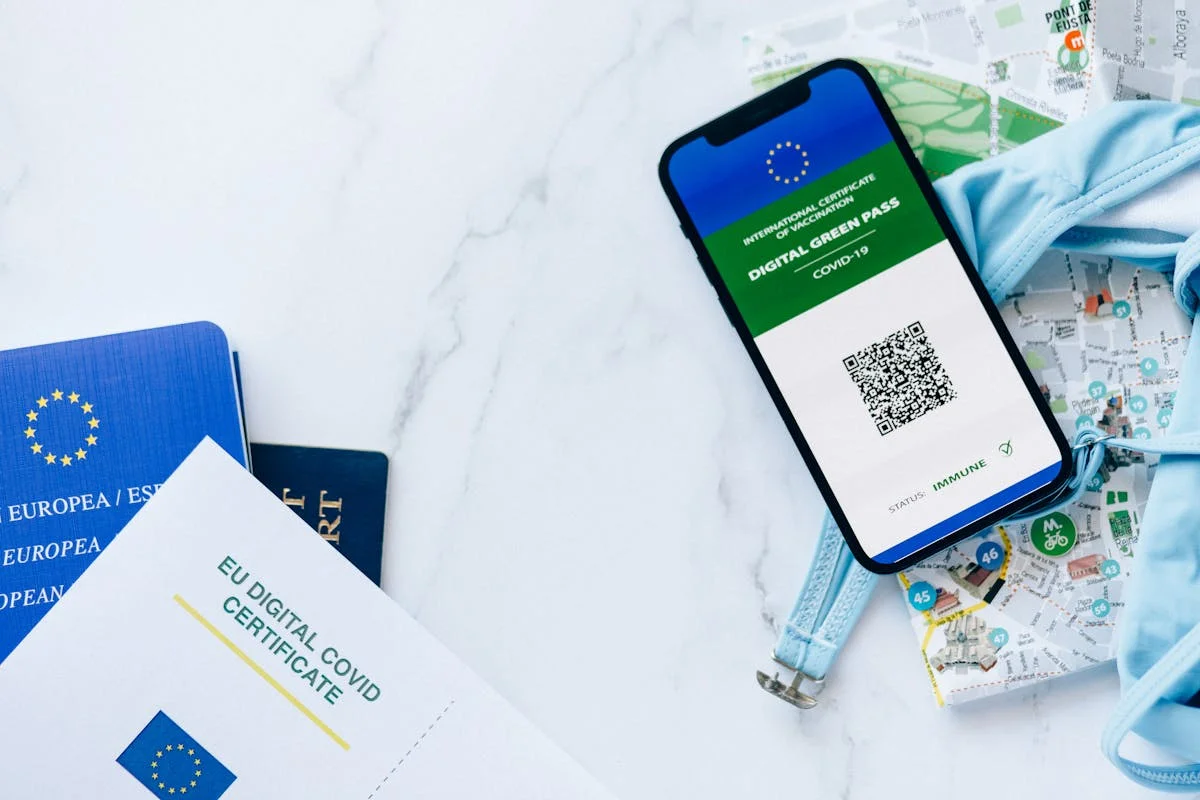
Europe showed during COVID-19 that it could create shared digital systems that worked across many countries. Things like digital certificates helped support a more organized and trust-based digital culture. This was different from the U.S. approach, which moved faster and was often more business-driven.
The same research found that 51% of consumers liked or shared a brand, or spent more time on branded platforms, because of personalized content, while social-first brands drew 14.4% of B2C revenue from social commerce, ahead of lower-maturity peers at 10.5%.
Europe is likely to lean toward the Australian model
That combination helps explain Europe’s likely direction. European firms are not ignoring conversion. They are simply less likely to make it the opening move. The stronger fit is a model where community starts with recognition, usefulness, and repeat participation, then gradually supports sales. That is much closer to the Australian pattern, where the social layer often strengthens an existing customer relationship, than to the U.S. pattern, where community is more often engineered to accelerate demand at scale.
Trust-led community feels like the better match
Europe, then, looks closer to Australia in how it builds social media community: more trust-led, more integrated with the core experience, and less eager to force every interaction into an immediate sale. The U.S. still shapes the future, but Australia looks more like Europe’s natural match.