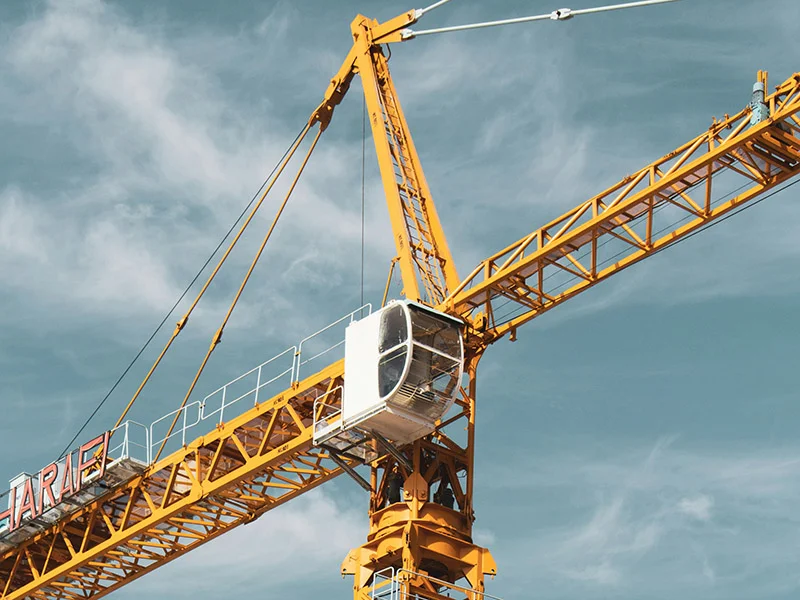
Crane operations are central to industries such as construction, logistics, manufacturing, and energy. Across Europe, where safety regulations are stringent and enforcement is rigorous, ensuring that cranes function reliably under load is not optional—it is a regulatory and operational necessity. At the heart of this process lies a critical yet often overlooked component: precision test weights.
These weights are used to simulate real operating conditions, allowing engineers and inspectors to verify that cranes can safely handle specified loads. Without them, reliable safety validation would not be possible.
Why Crane Safety Requires More Than Visual Inspection
Routine inspections of cranes involve far more than checking mechanical components or reviewing maintenance logs. While structural integrity and control systems are important, the real test lies in how a crane performs under actual load conditions.
This is where proof load testing becomes essential. It ensures that:
- Load-bearing components function as intended
- Safety mechanisms respond correctly under stress
- Structural limits are not exceeded
- Operational stability is maintained
In many European countries, such testing is legally required at regular intervals, particularly for cranes used in high-risk environments such as ports, heavy industry, or large-scale construction projects.
The Role of Certified Test Weights in Load Testing
To conduct accurate load testing, inspectors rely on certified proof load weights for crane inspections. These specially engineered weights are designed to meet strict standards and provide consistent, measurable loads during testing procedures.
Unlike improvised or non-certified alternatives, precision test weights offer:
- Exact and verifiable mass specifications
- Modular configurations for different load requirements
- Compatibility with various crane types and lifting systems
- Compliance with international and European safety standards
Their accuracy is critical. Even small deviations in weight can lead to incorrect test results, potentially compromising safety.
European Regulations and Compliance Standards
Crane safety in Europe is governed by a combination of national regulations and EU-wide directives. Standards such as the Machinery Directive and EN norms define the requirements for safe operation and testing.
Authorities and organizations like European Agency for Safety and Health at Work provide guidance on maintaining safe working environments, including the use of properly calibrated testing equipment.
Regular load testing using certified weights helps companies:
- Demonstrate compliance with legal requirements
- Reduce liability risks
- Ensure worker safety
- Maintain operational continuity
Failure to comply can result in severe penalties, project delays, or, in the worst case, accidents.
Engineering Precision: Why Quality Matters
Not all test weights are created equal. High-quality systems are engineered with precision and durability in mind, often using heavy or reinforced concrete combined with steel components.
Key design features include:
- Modular construction for flexible load combinations
• Durable materials resistant to environmental conditions
• Standardized dimensions for safe handling and stacking
• Integrated lifting points for efficient transport
Manufacturers with established expertise ensure that each unit meets rigorous quality standards, often certified under systems such as DIN EN ISO 9001.
Applications Across Key Industries
Precision test weights are used across a wide range of sectors where lifting equipment plays a critical role.
Construction and Infrastructure
In construction, cranes are exposed to varying loads and environmental conditions. Regular testing ensures that equipment remains reliable throughout project lifecycles.
Ports and Logistics
Container handling requires precise and repetitive lifting operations. Test weights help verify that cranes can maintain accuracy and stability under continuous use.
Energy and Heavy Industry
Industries such as wind energy or steel production rely on cranes for handling extremely heavy components. Here, safety margins are particularly critical.
For further insights into industrial safety practices, organizations like Occupational Safety and Health Administration provide extensive resources on load handling and risk management, many of which are applicable in international contexts.
The Importance of Modularity and Flexibility
Modern testing requirements demand flexible solutions. Modular test weight systems allow inspectors to adjust loads quickly and efficiently, without the need for multiple fixed-weight units.
Benefits include:
- Reduced transport and storage requirements
- Faster setup times on-site
- Adaptability to different crane capacities
- Improved cost-efficiency over time
This flexibility is particularly valuable for companies operating across multiple sites or industries.
Sustainability and Long-Term Value
Durability is not only a matter of performance but also a key factor in sustainability. High-quality test weights are designed for long-term use under demanding industrial conditions, reducing the need for frequent replacement and minimizing resource consumption over time. Their robust construction ensures consistent accuracy even after repeated use, which is essential for reliable testing results.
In addition, manufacturers are increasingly focusing on environmentally responsible production processes and materials. This includes optimized material usage, energy-efficient manufacturing, and the use of durable components that extend product lifecycles. As a result, test weight systems are not only technically reliable but also aligned with broader sustainability goals within European industries.
Reliable testing equipment contributes to:
- Longer equipment lifespans and reduced maintenance requirements
- Reduced material waste due to fewer replacements
- Lower overall operational and lifecycle costs
- Improved resource efficiency across industrial processes
By investing in durable and reusable systems, companies can support both operational efficiency and environmental responsibility.
Digitalization and the Future of Load Testing
As industries continue to evolve, testing methodologies are becoming increasingly digital and data-driven. Traditional inspection processes are being complemented by technologies that enhance accuracy, traceability, and efficiency.
Digital tools are now being integrated into load testing workflows, enabling better documentation and analysis of results. This shift allows companies to move from purely manual processes toward more transparent and standardized procedures.
Future developments may include:
- Digital tracking of test weights, including calibration history and usage data
- Integration with crane monitoring systems for real-time performance analysis
- Automated reporting and documentation to support compliance audits
- Centralized data platforms for managing inspection records across multiple sites
These innovations aim to improve transparency, efficiency, and traceability in safety-critical operations. At the same time, they help reduce administrative effort and minimize the risk of human error.
Conclusion
Precision test weights play a fundamental role in ensuring crane safety across European industries. They provide the measurable and reliable foundation needed to validate lifting equipment under real-world conditions, making them indispensable for safe and compliant operations.
In a regulatory environment that places strong emphasis on safety, accountability, and documentation, the use of certified, high-quality test weights is not merely a technical requirement—it is a strategic necessity. Companies that invest in reliable testing solutions benefit from increased operational security, reduced downtime, and greater confidence in their equipment.
By combining engineering precision, compliance with established standards, and adaptability to modern industrial needs, these systems support long-term performance and resilience. As digitalization and sustainability continue to shape the industry, precision test weights will remain a critical component in maintaining safe, efficient, and future-ready crane operations.