Across Europe’s grocery aisles and digital storefronts, a quiet but consequential shift is underway. Organic baby formula — once a niche product reserved for health-conscious early adopters — has crossed into the mainstream. Understanding why this is happening, and what it means for retailers, brands, and the broader FMCG sector, is increasingly essential for anyone tracking European consumer markets.
From Speciality Shelf to Centre Aisle
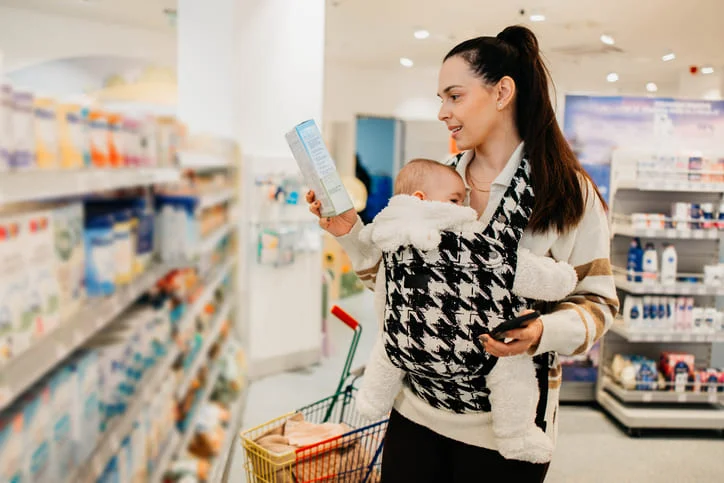
The journey of organic infant formula from margin to mainstream mirrors that of organic food more broadly — but has moved faster and more decisively. The reason is simple: infant nutrition sits at the highest end of parental sensitivity. Parents who might buy conventional pasta or bread without much deliberation will spend considerable time researching what goes into their newborn’s formula.
This research-driven purchasing behaviour has proven enormously advantageous for organic brands. Certified organic credentials — free from synthetic pesticides, GMOs, and artificial additives — serve as legible, trusted signals in a category where trust is the primary purchase driver. The EU’s strict organic certification framework under Regulation (EU) 2018/848 gives European-made organic formula a globally recognised quality stamp that conventional competitors cannot easily replicate.
Brand Heritage as a Competitive Moat
Unlike many FMCG categories, organic baby formula has so far proven resistant to private-label erosion. Established brands such as HiPP, Holle, and Lebenswert have cultivated decades of consumer trust built on transparent sourcing, biodynamic farming partnerships, and consistent quality. This brand equity translates directly into pricing power.
For new market entrants — whether European startups or international players — replicating this trust infrastructure takes years. The established names benefit not only from certification credentials but from generational loyalty: parents who were themselves fed on HiPP as infants are now reaching for the same brand for their children. In a category defined by risk aversion, familiarity is an underappreciated competitive asset.
The D2C and E-Commerce Opportunity
Perhaps the most significant structural shift in this market is the rise of direct-to-consumer and specialist e-commerce channels. Traditional grocery retail remains important, but an increasing proportion of organic formula purchases — particularly among first-time parents — now begins online.
Specialist platforms dedicated to organic baby formula in Europe have emerged to fill a clear gap: parents want not just a product, but guidance. Which stage formula is appropriate? How do different brands compare on palm oil use, iron content, or lactose sourcing? Platforms that answer these questions while enabling purchase are capturing loyalty at a critical life stage — one that often translates into long-term customer relationships.
Sustainability as a Growth Driver
Organic formula’s growth cannot be fully explained by ingredient concerns alone. Sustainability credentials have become a significant secondary purchase driver, particularly among younger millennial and Gen Z parents. Environmental considerations — from the carbon footprint of dairy farming to packaging choices — are increasingly factored into purchasing decisions.
Brands that communicate their environmental commitments clearly, and that can substantiate those claims with third-party certification, are gaining share. This trend creates both opportunity and pressure: opportunity for brands with genuine sustainability credentials, and pressure on those making vague green claims to either substantiate them or face growing consumer scepticism.
What Retailers and Brands Should Watch
For retailers, the primary implication is assortment depth. Stocking one or two organic formula options is no longer sufficient to serve a consumer base that now distinguishes between brands, stages, and certification tiers. Leading European supermarkets have responded by dedicating expanded shelf space to organic infant nutrition, with category management teams treating it as a growth priority rather than a niche.
For brands, the key challenge is reaching parents earlier in their decision journey. The purchase decision for infant formula is often made during pregnancy — meaning brands that invest in educational content, community engagement, and trusted retail partnerships gain a structural advantage.
Conclusion
The organic baby formula market is no longer a peripheral trend — it is a material and growing segment of European FMCG with implications for retail strategy, brand positioning, and consumer engagement. As the market matures, the brands and platforms that succeed will be those that combine genuine quality credentials with the trust-building infrastructure that today’s parents demand. For a practical overview of the certified options available across the continent, resources such as Organic Formula Europe offer a useful starting point for both consumers and industry observers alike.