In recent years, Finland has emerged as one of the most advanced digital economies in Europe, particularly in the area of online payments. While many countries have adopted elements of open banking and real-time transactions, Finland has taken these developments further by integrating them deeply into consumer-facing services. This has effectively turned the country into a testing ground for new payment models that prioritize speed, simplicity, and seamless user experience.
At the center of this transformation is a combination of strong banking infrastructure, high digital literacy, and regulatory frameworks that support innovation. Together, these factors have enabled Finnish companies and international providers to experiment with new ways of handling payments, often with immediate real-world adoption.
The Foundation: Open Banking and Trust
The introduction of open banking across Europe laid the groundwork for this evolution. By allowing third-party providers to securely access banking data and initiate payments, open banking created new opportunities for innovation. Finland was particularly well-positioned to benefit from this shift due to its already advanced digital banking ecosystem.
Finnish consumers have long been accustomed to using online banking for everyday transactions. As a result, the transition to bank-based authentication and payment methods felt natural rather than disruptive. This high level of trust in banking systems has been a key enabler for the rapid adoption of new payment solutions.
The Rise of Instant Payment Models
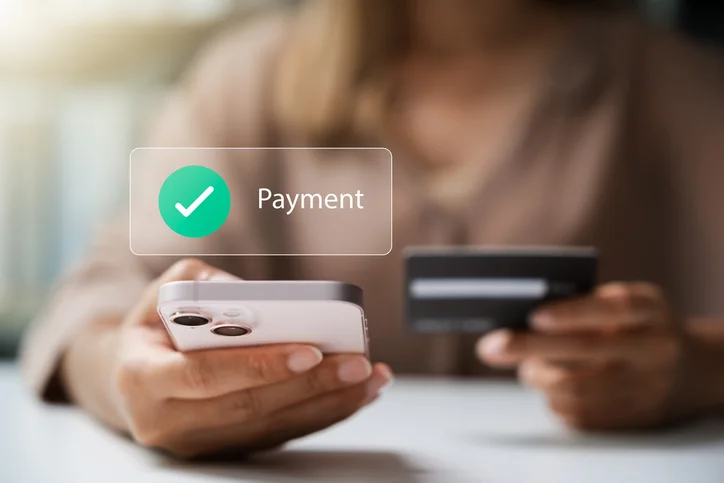
One of the most significant developments in Finland has been the rise of instant payment models. These systems allow users to complete transactions directly through their bank accounts, often within seconds. Unlike traditional card-based payments, which may involve multiple intermediaries, instant bank payments streamline the process and reduce friction.
This model has proven particularly effective in digital environments where speed and simplicity are critical. By eliminating unnecessary steps, such as manual data entry or delayed processing, businesses can offer a smoother and more efficient user experience.
Solutions built around this model, including providers like Trustly, have gained significant traction. They enable users to authenticate via their bank and complete payments in a single flow, removing many of the barriers traditionally associated with online transactions.
A Case Study in Online Gambling
One of the clearest examples of how these payment models have been applied can be found in Finland’s online gambling sector. The emergence of so-called “instant casinos,” often referred to locally as pikakasinot Suomi, illustrates how payment innovation can reshape an entire user journey.
These platforms are built around a “Pay N Play” model, where users can deposit funds and start playing without going through a lengthy registration process. Identity verification is handled through bank authentication, and transactions are processed almost instantly. This significantly reduces onboarding time and improves user convenience.
From a business perspective, this model has clear advantages. Faster onboarding leads to higher conversion rates, while seamless payment flows enhance user retention. As a result, instant casinos have become a prominent example of how payment technology can drive growth in digital services.
Market Dynamics and Competition
Finland’s role as a testing ground is also driven by its competitive market environment. Both domestic and international operators are active in the region, creating a dynamic landscape where innovation is essential for success.
Companies are continuously refining their payment processes to gain a competitive edge. Speed has become a key differentiator, alongside reliability and user experience. This has led to rapid iteration and the introduction of new features aimed at reducing friction even further.
At the same time, Finnish consumers are highly responsive to improvements in digital services. Their willingness to adopt new solutions encourages companies to experiment and innovate, reinforcing the cycle of development.
The Role of Regulation
Regulation plays a crucial role in shaping the Finnish payment landscape. While the country operates within the broader European regulatory framework, local authorities have generally supported innovation in financial services.
The balance between regulation and innovation is particularly important in sectors like online gambling, where consumer protection is a priority. Payment models must comply with strict requirements related to security, transparency, and responsible use.
Despite these constraints, the Finnish market has demonstrated that it is possible to innovate within a regulated environment. In fact, clear rules can provide a stable foundation for experimentation, as long as they do not stifle technological progress.
Broader Implications for Europe
The developments seen in Finland have broader implications for the European market. As instant payment models prove their effectiveness, other countries are likely to adopt similar approaches. This could accelerate the transition toward real-time payments across the region.
Businesses operating in Europe are increasingly recognizing the importance of frictionless payment experiences. Those that fail to adapt risk falling behind competitors who can offer faster and more convenient solutions.
Finland’s experience shows that the combination of technology, trust, and regulation can create an environment where innovation thrives. It also highlights the potential for specific industries, such as online gambling, to act as early adopters and testing grounds for new models.
A Glimpse Into the Future of Payments
Finland’s role as a testbed is not accidental. It is the result of long-term investment in digital infrastructure, a forward-looking regulatory approach, and a population that is comfortable with technological change.
As payment technologies continue to evolve, the lessons learned from Finland are likely to influence developments across Europe and beyond. Instant, bank-based payments are no longer a niche concept but an emerging standard.
In this context, Finland offers a valuable case study of how quickly payment models can evolve when the right conditions are in place. For businesses and policymakers alike, it provides insight into what the future of online transactions may look like.