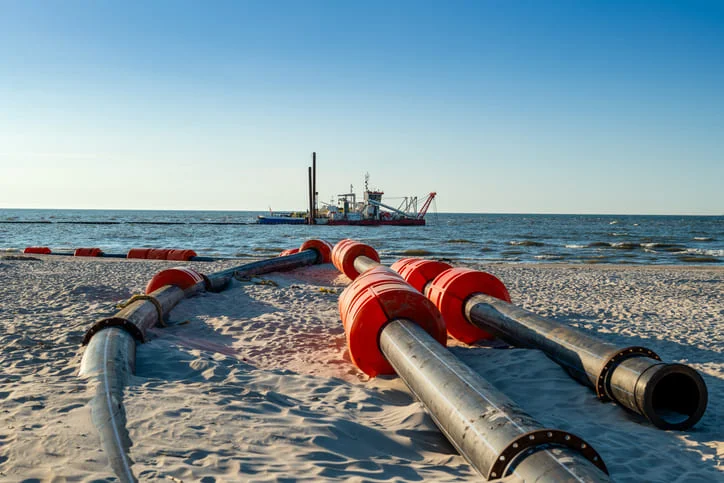
Marine and dredging projects shape coastlines, support major infrastructure, and keep ports and waterways running smoothly. That said, working on the water can be extremely demanding. Operators must contend with shifting seabeds, heavy equipment, unpredictable weather, and the constant risk of delays or damage when conditions turn unfavourable. If these issues aren’t managed well, the consequences can include costly downtime and safety incidents that disrupt both schedules and budgets.
Reducing these risks requires not only solid planning but also dependable, well-chosen equipment. Even something as straightforward as how a pipeline is supported can influence a project’s efficiency. This is where pipe floats become especially valuable. By keeping pipelines buoyant and easy to manoeuvre, these floats help maintain consistent performance and reduce unnecessary hazards on the water. Let’s explore how pipe floats play a key role in ensuring the smooth and safe operations of marine and dredging projects.
1. Prevents Pipeline Sinking and Damage
When a pipeline sinks or rests too close to the seabed, it becomes much more vulnerable to abrasion and punctures from rocks, coral, or debris. Over time, this constant contact weakens the pipe wall, increasing the risk of leaks or full-scale failures that can halt the project.
Pipe floats address this issue by keeping the pipeline buoyant at a controlled height, preventing direct contact with the seabed and minimising the chance of damage. Because so much of a pipeline’s protection relies on effective flotation, it’s critical to be discerning when looking for pipe floats for sale and choose products designed for durability, lift capacity, and real-world marine conditions. Using the right floats is essential to ensuring the system performs reliably throughout the project.
2. Promotes Pipeline Stability Even in Rough Conditions
Marine environments rarely stay calm for long. For instance, Australian coastal waters, such as those off the Gold Coast or Port Phillip Bay, often experience strong tidal currents and shifting winds that can cause an unsupported pipeline to twist or sway unpredictably. This movement places strain on joints and fittings, increasing the likelihood of leaks or disconnects.
Pipe floats help counter these challenges by keeping the pipeline evenly supported across its length. With consistent buoyancy, the line stays aligned on the surface and can flex safely without creating unnecessary stress. This stability provides the crew more control during dredging and pumping, allowing them to maintain smoother operations even when conditions aren’t ideal.
3. Reduces Stress on Pumps and Other Equipment
Pumps operate most efficiently when material flows through a pipeline with minimal resistance. If a pipeline dips or drags in the water, friction increases, forcing the pump to work harder to maintain output. This extra workload can reduce efficiency and cause premature mechanical issues that slow down the project and increase fuel consumption.
Properly supporting the pipeline with pipe floats helps create a smoother, more predictable flow path by preventing sagging or excessive settling. With better alignment and consistent support, pumps and dredging equipment experience less strain, lowering the overall risk of breakdowns and enabling steady, reliable operations.
4. Enhances Operational Efficiency and Speed
Handling heavy or inconsistent pipelines can slow down an entire marine operation. Crews often lose time lifting or repositioning pipes that are partially submerged or dragging beneath the surface. These small delays can quickly add up, especially in projects that require frequent adjustments to pipeline alignment or discharge points.
Providing buoyant support makes the pipeline easier to manoeuvre, enabling crews to reposition it quickly using vessels, winches, or deck cranes. This improved responsiveness enables teams to work within tight weather windows and carry out adjustments more efficiently.
5. Improves Crew and Asset Safety
Unpredictable pipeline movement creates serious safety risks. A line that lifts or shifts without warning can cause crush injuries, place strain on lifting gear, or create hazards for crew members moving around work platforms and barges. Limited visibility also becomes a concern when sections of the pipeline dip below the surface, making it harder for operators to judge its position and behaviour.
With proper flotation, the pipeline stays stable and highly visible. This reduces sudden movements and helps prevent entanglement or collisions with nearby vessels and equipment, keeping both workers and assets safer throughout the operation.
6. Minimises Environmental Disturbance
Dragging pipelines along the seabed poses a risk to marine habitats, as it can uproot seagrass, damage coral, and increase water turbidity. These environmental impacts may also create regulatory risks, leading to temporary shutdowns or stricter monitoring that can slow project progress. In sensitive areas, even minor contact carries significant consequences.
Pipe floats help lift the pipeline away from the seabed to prevent direct disturbance and lower the environmental footprint of dredging operations. This controlled buoyancy supports compliance with environmental guidelines and makes it easier for operators to maintain responsible practices, especially in protected or closely monitored marine zones.
Keeping Risks at Bay
Marine and dredging operations face a variety of risks, from pipeline damage and equipment strain to environmental disruption. Using pipe floats is crucial for managing many of these challenges. High-quality floats keep pipelines buoyant and stable, reducing the risk of damage and ensuring smooth material flow. By protecting equipment and supporting crews, they help ensure projects are completed safely, efficiently, and on schedule.