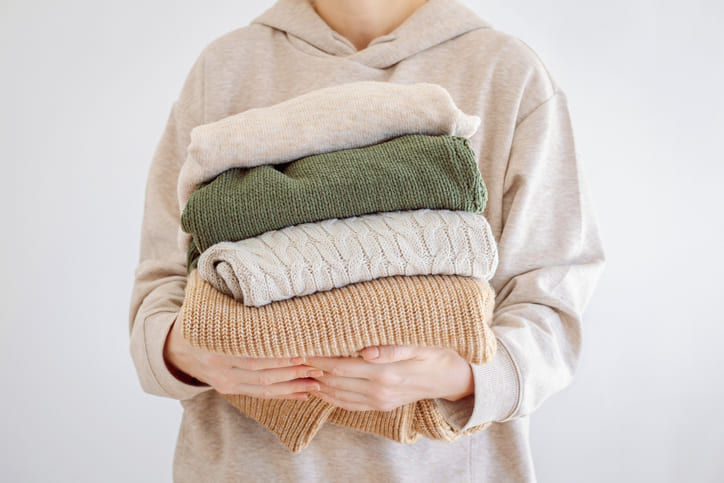
Choosing the right sweater involves more than finding a colour or style that suits your wardrobe. Fabric quality, comfort, durability, and environmental impact are also important considerations. Organic cotton sweaters have become a popular choice for people who want comfortable clothing made from naturally derived fibres. They offer a soft feel, breathable construction, and versatility that makes them suitable for everyday wear throughout the colder months.
Understanding the benefits of organic cotton can help consumers make informed clothing choices. From supporting skin comfort to reducing reliance on certain agricultural chemicals, this material offers several advantages worth considering.
What Makes Organic Cotton Different?
Organic cotton is produced according to agricultural standards that restrict or prohibit many synthetic pesticides and fertilisers used in conventional cotton farming. Certified organic production also involves requirements related to soil management, crop rotation, and other farming practices. Specific standards vary depending on the certification programme and country.
Unlike synthetic fabrics such as polyester, cotton is a natural plant-based fibre. Its structure makes it suitable for producing garments that feel soft and allow air to circulate. Organic cotton retains these basic characteristics while following different farming requirements.
However, organic cotton does not automatically mean that every part of a finished garment is environmentally friendly. Dyeing, manufacturing, transportation, and packaging also affect a product’s overall environmental footprint. Checking recognised certifications and product information can help consumers understand how a garment was made.
Comfort and Breathability for Everyday Wear
Comfort is one of the main reasons people choose cotton sweaters. Cotton fibres can feel gentle against the skin, while their breathable structure allows air to move through suitable knitted fabrics. This can make cotton sweaters comfortable for indoor activities, casual outings, and layering during cooler weather.
Organic cotton sweaters are available in different knit patterns and fabric weights. Lightweight versions work well under jackets, while thicker knits can provide additional warmth when temperatures fall. The overall level of warmth depends on the garment’s construction, thickness, and fit rather than whether the cotton is organic alone.
Cotton can also absorb moisture, which may help manage small amounts of perspiration during ordinary daily activities. Nevertheless, it generally dries more slowly than many synthetic performance fabrics. For intense exercise or very wet conditions, specialised moisture-management clothing may be a more practical choice.
Organic Cotton and Skin Comfort
People with sensitive skin often pay close attention to the materials used in their clothing. Rough textures, tight seams, irritating labels, and certain fabric treatments can contribute to discomfort. A well-made cotton sweater may provide a smooth, comfortable alternative to garments that feel scratchy or abrasive.
Organic cotton farming standards restrict certain agricultural chemicals, but this does not guarantee that a finished sweater will be hypoallergenic. Dyes, finishing agents, detergents, and other manufacturing processes can still affect how an individual responds to a garment.
For people who experience skin irritation, choosing a soft fabric with minimal finishing treatments may be helpful. Washing new clothing before wearing it can also remove some manufacturing residues. Those with persistent or severe skin reactions should seek advice from a qualified healthcare professional rather than relying on fabric choice alone.
Cotton sweaters are also available in relaxed fits that reduce unnecessary friction. Choosing a comfortable size, checking seam placement, and selecting garments without irritating decorative elements can improve the overall wearing experience.
Sustainable Fashion and Responsible Cotton Farming
Sustainability has become an important consideration for shoppers who want their clothing purchases to align with environmental priorities. Organic cotton production follows farming standards designed to support responsible soil management and restrict certain synthetic agricultural inputs.
Depending on the farming system, organic methods may support soil health, biodiversity, and more diverse crop rotations. Avoiding certain synthetic pesticides can also reduce particular risks to farmworkers and surrounding ecosystems. However, environmental outcomes vary with local conditions, irrigation practices, and agricultural management.
Water use deserves particular attention. Cotton production can require substantial amounts of water, and organic cotton is not necessarily less water-intensive in every location. Rainfall, irrigation systems, soil conditions, and farming methods all influence water consumption.
Consumers can make more considered choices by looking beyond a single sustainability claim. Recognised organic certifications, transparent manufacturing information, durable construction, and responsible care instructions provide a more complete picture of a garment’s environmental credentials.
Versatile Styles for Seasonal Fashion
Organic cotton sweaters are available in a wide range of styles, including crewnecks, cardigans, oversized pullovers, patterned knits, and festive designs. Their versatility makes them suitable for casual wardrobes, family gatherings, workplace settings with relaxed dress codes, and seasonal celebrations.
For example, people looking for distinctive holiday clothing may explore Organic Cotton Ugly Christmas Sweaters as one option for combining festive patterns with a cotton-based garment. Designs can feature traditional seasonal colours, playful illustrations, snowflakes, or other winter-inspired details.
When choosing a festive sweater, it is useful to examine the complete fabric composition. A product described as cotton may still contain polyester, acrylic, or other fibres. Buyers who specifically prefer organic materials should check the percentage of organic cotton and whether the claim is supported by recognised certification.
Neutral-coloured cotton sweaters can also provide a practical foundation for everyday outfits. They can be paired with jeans, trousers, skirts, or layered outerwear, making them useful beyond a single season.
Durability and Proper Garment Care
A sweater’s lifespan depends on fibre quality, knitting technique, construction, frequency of wear, and maintenance. Organic cotton garments can be durable when properly manufactured and cared for, although organic status alone does not guarantee superior strength.
Following the care label is the best starting point. Many cotton sweaters benefit from washing in cool or lukewarm water with a suitable detergent. Gentle washing can help reduce unnecessary wear, while avoiding excessive heat may limit shrinkage.
Reshaping a sweater while damp and drying it flat can help preserve its original form, particularly for heavier knitted garments. Turning patterned sweaters inside out before washing may also reduce friction on decorative surfaces.
Repairing loose seams, removing small fabric pills carefully, and storing garments in a clean, dry place can extend their useful life. Buying fewer, better-made items and wearing them regularly can be a practical approach to reducing clothing waste.
Making an Informed Clothing Choice
Organic cotton sweaters offer a combination of natural-fibre comfort, breathable construction, versatile styling, and farming practices that restrict certain synthetic agricultural inputs. These characteristics make them worth considering for consumers who value both everyday wearability and more responsible purchasing decisions.
At the same time, no fabric is perfect for every situation. Cotton may dry slowly, organic certification does not guarantee that a garment will suit every skin type, and the environmental impact of a finished sweater depends on more than its raw material.
By checking fabric composition, certification details, construction quality, and care requirements, shoppers can make choices that better reflect their needs. Whether selecting a simple everyday pullover or a playful seasonal design, a thoughtfully chosen organic cotton sweater can be a comfortable and useful part of a long-lasting wardrobe.