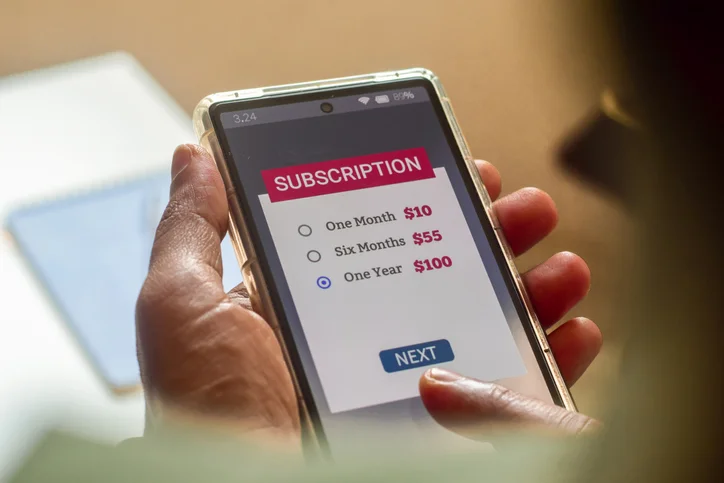
Most services now arrive through a recurring payment, so companies offer access instead of ownership. Streaming, deliveries, apps, and even software work this way. However, subscription models began flooding every corner of life, and many people started cancelling them.
While subscription businesses are still growing, the way people think about access is changing fast. Instant payments, fast content, and quick transactions have become a new expectation.
Some digital services now focus on access without any strings attached. Consumers prefer choices without contracts, so businesses are adapting. That’s why platforms are now exploring different pricing models, faster access options, and better flexibility.
From Monthly Fees to Overflowing Invoices
Consumers once welcomed subscriptions for the ease they promised. A few pounds each month gave regular access to food kits, beauty products, or streaming. However, this model began piling up as people subscribed to everything from groceries to software and even meditation apps.
By 2025, the global subscription economy is set to reach $1.5 trillion. Meanwhile, many people have cancelled at least three services since 2022. US adults now spend around $91 monthly on subscriptions. Gen Z and Millennials are especially active, with over 40% spending over $100 a month.
While the costs creep in, services keep increasing their prices. Platforms like Spotify and Disney+ raised their monthly fees, while others restricted password sharing. All these factors increase pressure on wallets and patience. People want access without surprise charges or unnecessary commitments.
Too Many Logins, Too Little Value
Subscriptions started as a way to make life easier. However, the sheer number of services people manage created a different effect. From video to groceries and even delivery apps, subscription fatigue set in. Instead of getting more for less, many started feeling that value had dropped.
Surveys show people underestimate how much they pay each month. Some thought they spent around $86 monthly but later realised it was closer to $219. In the UK and Canada, a growing number have already cancelled streaming services. The most common reason was unused accounts, followed by rising costs.
Even cancelling a subscription can take work. Some services require phone calls, while others hide the cancellation buttons. Around 60% of people said they avoided signing up because they expected cancellation to be a hassle. Others had to call customer support or search long help pages to cancel. Services that create extra steps for this only push people away.
Gamers Move Faster Than Everyone Else
One global digital community has already reshaped access models. Gamers, especially those who play online, prefer instant access with no delays. In gambling, waiting even a few seconds can feel long, so platforms compete to offer faster solutions.
Finnish players stand out for embracing one of the fastest casino formats. They now use platforms that offer access without user accounts or long registration forms. These are called pikakasinot, and they support instant deposits and withdrawals using online banking credentials. Because there’s no account setup, players can enter, play, and collect winnings within minutes.
This format fits the preferences of online gamers who value speed over traditional signup steps. It also shows how betting, casino, and gambling services now focus on faster payment and faster play. Digital players expect fewer steps and smoother access, so the shift is already visible across this space.
Cancelled, Streamlined, or Rented
Streaming used to replace cable, but by 2024, many said it became just as cluttered. A Kantar study showed that the average American household held 3.9 paid video services. However, 90% said they planned to cancel at least one. Around 40% of people globally already cancelled video-on-demand platforms due to price increases.
Ad-supported services have now gained traction. These let viewers watch content with ads in exchange for a lower monthly bill. Platforms like Pluto TV, Tubi, and Roku show that many viewers accept ads if it means paying less. In the US, ad-supported Hulu plans are expected to reach 65% by 2025. In Australia, ad-supported viewers grew from 10% to 28% within a single year.
This shows that people are open to flexible access, especially if it costs less and doesn’t tie them into fixed contracts. Short-term rentals, discounted weekends, and one-off purchases have become attractive. These models reduce commitment while offering control.
New Ways to Pay Keep Popping Up
Innovation is moving faster than ever in payment and pricing models. Some services now let people pay for exactly what they watch using blockchain-based micropayments. Instead of fixed monthly fees, these allow users to pay per video or even per episode.
This works especially well in countries where subscription commitment seems too much for some audiences. Flexible pricing attracts people who prefer quick access without complex billing.
New types of bundles are also appearing. These mix services together and let people create their own mix of content. Instead of forcing full packages, some providers now allow custom picks. Sports, films, and tv shows can sit side-by-side under a single price, shaped by the person paying.
In the UK and Europe, even cable providers now work with digital platforms. Sky, for example, partners with Netflix and Discovery+ to bring combined deals. In the US, NBCUniversal offers basketball coverage across cable, Peacock, and traditional broadcasts.
These partnerships give people access across formats and devices. Companies share the benefit and reach broader audiences while still keeping content under one bill.
From Subscription Fatigue to Instant Access
Services that once felt new and useful now seem like too many passwords, too many bills, and too many decisions. Fatigue set in because costs rose, cancellations became harder, and the value people expected often felt lost. The switch from ownership to access changed how people engage with digital goods, so now they seek fast, simple, and affordable formats.
Instant-access models show that there’s still strong interest in digital content, payments, and online services. However, the rules are changing. Consumers respond well when they feel free to choose without pressure. They prefer control, clear pricing, and faster ways to engage.
Everyone wants quicker access without long commitments, and platforms that understand this will keep winning attention. Subscription fatigue hasn’t replaced interest. It has reshaped expectations.