A single missed signal underground can cost millions or put lives at risk. Advanced detection technologies are closing that gap, giving operators clearer data, faster alerts, and safer worksites than ever before.
Mining crews, infrastructure teams, and field operators now rely on real-time insights instead of guesswork.
Across industries, smarter sensors and AI-driven systems are turning hidden risks into visible data. From deep-ore exploration to buried utility mapping, detection tools are reshaping how work gets done on the ground.
Advanced Detection Technologies in Modern Mining
Mining has shifted from manual inspection to data-driven decision making. Sensors, drones, and machine-learning systems now monitor everything from air quality to conveyor belts.
According to a study published by Nature’s Scientific Reports, IoT-based dust monitoring systems combined with machine learning can improve air-quality tracking in surface mines.
Cleaner air and predictive alerts mean fewer shutdowns and safer breathing conditions for crews working long shifts.
LiDAR, drone mapping, and advanced proximity sensors are elevating safety standards. Faster terrain mapping and hazard detection reduce exposure to unstable ground and heavy-equipment blind spots.
Real-Time Anomaly Detection Underground
Equipment failures often begin as tiny irregularities. AI-based systems now catch those irregularities before they escalate.
Research shared on arXiv demonstrates how on-device anomaly detection can identify unusual conveyor-belt patterns in real time. Early alerts help prevent breakdowns that could halt production for hours or even days.
Operations managers benefit from fewer emergency repairs and more predictable maintenance schedules. Workers benefit from safer, more stable equipment environments.
Infrastructure Mapping With Ground-Penetrating Radar
City infrastructure hides a maze of utilities beneath roads and runways. Ground-penetrating radar, often paired with AI-powered mapping software, is making those underground networks easier to visualize.
Mobile mapping combined with GPR can create detailed 3D digital twins of transportation corridors. Engineers can plan repairs or expansions without disruptive exploratory digging.
Smarter Communication Below the Surface
Detection does not stop at mapping. Communication underground has historically been unreliable.
Magnetic-induction wireless technology is capable of transmitting signals up to 100 meters below ground. For miners and tunnel workers, stronger underground communication can mean faster emergency response and better coordination in confined spaces.
Field teams gain confidence knowing they can stay connected even in challenging terrain. Faster communication supports both productivity and safety.
Field Operations and Precision Detection Tools
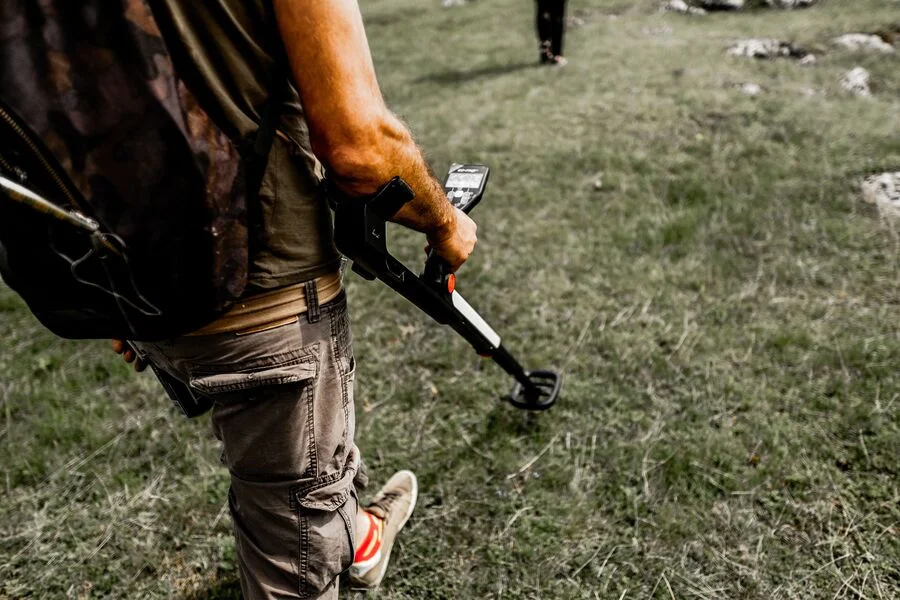
Field operations demand rugged, accurate tools. Prospectors, surveyors, and site inspectors rely on portable detection equipment to identify metals, voids, and anomalies in unpredictable conditions.
However, not every detector performs equally well across mineralized soil, beaches, or goldfields. Choosing equipment with advanced multi-frequency technology, reliable target discrimination, and application-specific features can significantly improve accuracy while reducing false signals and unnecessary digging.For those comparing professional-grade options, Minelab offers a wide range of detectors and accessories for coin and relic hunting, gold prospecting, beach detecting, and other field applications, making it easier to choose equipment suited to specific ground conditions and detection goals.
Advanced discrimination features help users focus on meaningful signals rather than background noise.
Detection accuracy in the field often comes down to three essentials:
- Multi-frequency performance for deeper target identification
- Strong discrimination to reduce false signals
- Durable construction for harsh outdoor conditions
Also, reliable equipment allows operators to work efficiently in remote areas without constant recalibration or downtime.
Advanced Detection Technologies Matter More Than Ever
Demand for minerals, energy, and infrastructure continues to grow. And IoT integration, predictive mineral detection, and autonomous systems are driving the industry toward smarter and more sustainable operations.
Greater efficiency translates into lower operational costs and reduced environmental impact. Safer worksites translate into fewer injuries and stronger workforce retention.
Advanced detection technologies support both goals. Better data leads to better decisions, whether identifying ore grades, mapping buried utilities, or scanning a remote field site for valuable targets.
Building Safer and Smarter Operations
Advanced detection technologies are no longer optional upgrades. Mining companies, infrastructure planners, and field professionals rely on them to stay competitive and protect their teams.
High-quality tools paired with intelligent software help uncover risks before they escalate. Organizations that invest in advanced detection technologies position themselves for safer operations and more confident decision making.
Expert support and proven technology can make a measurable difference in your next project. So, if you are exploring professional-grade detection equipment or need guidance on selecting the right system, consider reaching out to professionals.
Hopefully this article has been of some help! If it has been, take a moment to check out some of our other insightful content.