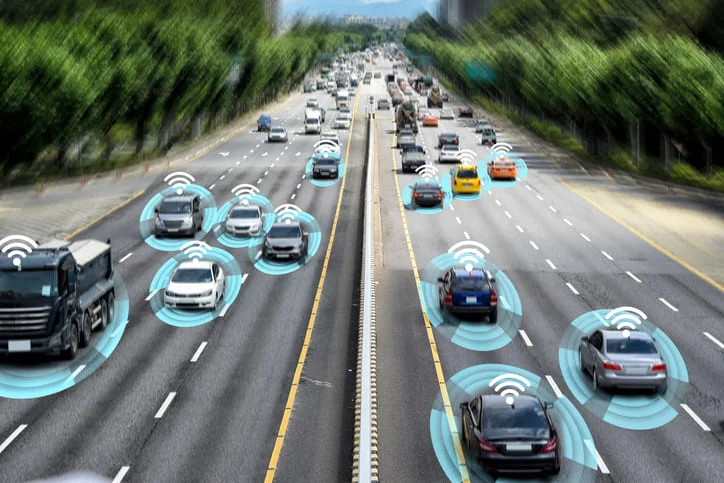
Transportation fleets run on tight margins, and small inefficiencies add up fast. This article explains how wireless IoT devices help teams control costs, stay compliant, and protect operational data.
It starts with fuel management, including real-time level tracking, theft detection, and driver behavior insights that reduce waste. Next, it covers compliance improvements such as ELD and Hours of Service logging, automated inspection records, and reporting tied to ERP and TMS workflows.
The final section focuses on security basics, including encryption, role-based access, multi-factor authentication, and safe firmware updates that keep devices trusted.
Fuel Management and Cost Optimization
Fuel expenses make up 25-33% of a fleet’s total operating costs. This makes managing fuel a top financial priority. IoT technology has revolutionized how transportation companies track, analyze, and optimize their fuel consumption.
Fuel Level And Consumption Tracking
IoT-powered fuel monitoring systems link sensors throughout the fuel infrastructure to capture detailed data points in real time.
These systems go beyond simple volume metrics to track:
- Fuel consumption rates (total and when idling)
- True fuel economy (actual MPG)
- Current fuel levels
- Engine malfunctions affecting efficiency (like faulty oxygen sensors)
- Fill-up trends and patterns
Modern IoT fuel trackers offer unique accuracy by connecting directly with vehicle diagnostics. Data moves wirelessly through cellular or other networks to centralized platforms that analyze it instantly. This technology eliminates the guesswork that was common with older methods of tracking fuel use across vehicle fleets.
Detecting Fuel Theft And Inefficiencies
Transportation companies worldwide face growing challenges from fuel theft. Thieves easily bypass traditional monitoring methods like manual checks or simple sensors.
IoT solutions protect fuel assets through multiple layers:
- The systems detect suspicious fuel level drops that might indicate siphoning. They track fueling stops and alert managers about unauthorized location refueling. Advanced systems spot discrepancies by comparing recorded volumes with fuel receipts.
- This virtual shield around fuel assets helps fleets cut fuel costs by 10-18% through anti-theft and fraud prevention alone.
- IoT systems spot operational inefficiencies that quietly drain budgets. Idle vehicles can waste up to 40% of fuel costs. High-RPM driving, unnecessary warm-ups, and poor routes also waste fuel. Finding these issues creates chances to improve right away.
Eco-Driving Insights From IoT Data
IoT platforms turn raw vehicle data into coaching opportunities for drivers.
These systems watch behaviors that affect fuel efficiency:
Harsh acceleration (raises urban fuel use by 30-40%), Speeding (especially above optimal efficiency ranges), Excessive idling time, Poor route choices.
The best systems organize this data into driver scorecards and eco-driving metrics. One company cut fuel use by 11% in just three months after starting IoT-based driver scoring.
Fleets that combine driver coaching with IoT route optimization usually reduce their total fuel use by 8-15%. Another case showed a 14% drop in fuel consumption through real-time monitoring and coaching.
The technology creates continuous feedback loops. Drivers get instant alerts about fuel-wasting behaviors while managers see detailed reports of consumption patterns. This mix of immediate correction and trend analysis leads to lasting changes in behavior.
These systems help fleets reduce their carbon footprint – a key goal for environmentally conscious companies and those facing emissions rules. Tools that improve profits also support sustainability goals.
Compliance, Reporting, and Data Integration
Transportation fleets face significant challenges with regulatory compliance. IoT systems have simplified manual processes into digital ones. These changes help fleets stay legal while reducing paperwork.
Hours of Service (HOS) and ELD Compliance
Electronic Logging Devices (ELDs) have changed driver time tracking completely. These devices link to vehicle engines and record driving time and duty status changes automatically. FMCSA data reveal fewer hours-of-service violations since ELD became standard.
The paperwork reduction is just the start. Here are the measurable benefits:
- 1,844 crashes avoided annually
- 562 fewer injuries per year
- 26 lives saved each year
ELDs have replaced paper logbooks with digital records that stop common violations like missing logs or working too many hours. Drivers now get automatic brake alerts that help prevent accidents caused by fatigue.
Automated Inspection And Maintenance Logs
Digital maintenance records have changed how fleets handle compliance documentation.
These automated systems work in several ways.
AI-driven triggers use live data to digitize inspection tasks. The system creates audit trails that track maintenance work, parts usage, and schedule changes. Drivers and inspectors can access vehicle records instantly from any device during roadside checks.
Numbers show the system’s success clearly. One implementation achieved 98% compliance while cutting administrative tasks by 40%. Better yet, these digital systems help fleets avoid mechanical problems that often lead to violations.
Integrating IoT Data With ERP And TMS Systems
IoT becomes more powerful when it connects to other business systems. Fleet data gains value through its connection with Enterprise Resource Planning (ERP) and Transportation Management Systems (TMS).
Smart algorithms turn raw sensor data into strategic insights through automated reporting workflows. Fleet managers create custom reports for stakeholders and check live updates through easy-to-use dashboards.
Companies that need deeper fleet connectivity can rely on Trafalgar Wireless IoT logistics solutions that seamlessly link vehicles with core business systems. By connecting fleet data in real time, these platforms make it easier to manage operations, improve visibility, and keep transportation workflows running smoothly.
Data integration tackles complex compliance requirements by automating processes for different regulations. The system tracks Hours of Service, environmental standards, and safety requirements at once. This creates a complete compliance picture that keeps fleets running efficiently and legally.
Securing IoT Fleet Infrastructure
Security is the foundation of reliable IoT fleet systems. Your transportation operations’ valuable data remains vulnerable to threats without proper safeguards.
End-To-End Encryption For Data Transmission
Your vehicles’ data security starts the moment information leaves them. IoT fleet systems use encryption to protect everything from GPS coordinates to engine diagnostics and driver behavior metrics. Telematics devices encrypt data right when they collect it. This creates an unbroken chain of protection as information moves through networks.
Modern fleet tracking devices come with dedicated security chips that generate unique encryption keys for each vehicle. This setup ensures that all but one of these devices stays secure even if someone compromises one. These systems also maintain encryption after storing data on their servers, which protects historical reports and analytics from unauthorized access.
Role-Based Access Control And MFA
Smart access management prevents security breaches. Multi-factor authentication (MFA) is the lifeblood of fleet security that requires at least two verification methods before granting system access. This extra security layer significantly reduces unauthorized entry risks.
Role-Based Access Control (RBAC) applies the principle of least privilege throughout your organization:
- Team members can only access the data they need for their roles
- Custom permissions limit access to specific system functions
- Automated processes reduce administrative work
Firmware Updates And Device Authentication
Regular software updates patch security gaps and boost system performance. The best fleet management platforms automate these updates and schedule them during off-hours to avoid disruptions.
Secure boot technology checks firmware authenticity during device startup by matching signatures with trusted certificates.
Conclusion
Wireless IoT devices add visibility where fleets often struggle most: fuel, compliance, and security. Real-time consumption data supports better routing and coaching, while theft alerts help stop losses before they spread.
Digital logging also reduces paperwork and improves audit readiness through automated maintenance records and clear reporting. When IoT data connects with ERP and TMS systems, operational decisions become faster and easier to document. Security matters just as much as analytics.
Encryption protects data in transit and at rest, while access controls and MFA limit exposure. Regular firmware updates and device authentication keep the network reliable over time.