Europe has long been a centre of creativity, where ancient masterpieces sit alongside bold modern art. From grand museums filled with centuries-old paintings to striking galleries showing today’s artists, many European cities offer a rich mix of styles and history.
Millions of people travel each year to see famous works, proving that both old and new art continue to inspire. This makes Europe one of the most exciting places in the world to explore art across different time periods and cultures.
Paris: The Heart of Both Old and New
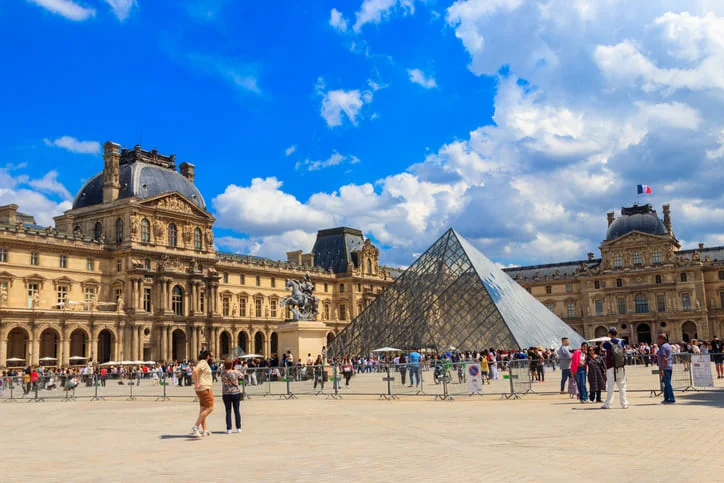
Paris is often the first city that comes to mind when talking about art in Europe. It has been a centre of artistic innovation and preservation for centuries. The Louvre Museum in the city is the most visited art museum in the world, drawing around 8.7 million visitors in 2024 to see masterpieces such as the Mona Lisa and the Venus de Milo.
Alongside the Louvre are other major institutions that attract huge numbers of art lovers. The Musée d’Orsay specialises in 19th-century works, including many Impressionist and Post-Impressionist paintings, while the Centre Pompidou houses the Musée National d’Art Moderne, one of the world’s largest collections of modern and contemporary art with over 1.5 million visitors in recent years.
Paris combines ancient treasures with cutting-edge exhibitions. Broad swathes of European artistic heritage are displayed in grand palaces and sleek gallery spaces. For anyone interested in both historical artefacts and modern expression, the French capital remains a top destination.
Florence: Renaissance Legacy
Florence in Italy is a living museum of Renaissance art and culture. The city’s Galleria degli Uffizi is one of the most important art museums in Europe, hosting works by Botticelli, Michelangelo, Raphael and Leonardo da Vinci.
In recent years it has welcomed millions of visitors, consistently reporting figures in the multi-millions annually, making it one of Italy’s most-visited cultural sites.
The city itself feels like a gallery. Cobblestone streets lead between churches, palaces and squares, each rich with centuries-old paintings, sculptures and frescoes. Florence is deeply rooted in ancient art but also hosts contemporary shows and exhibitions that challenge and expand artistic dialogue.
London: A Blend of Eras
London offers an extraordinary range of art experiences that span time periods and styles. It is home to the British Museum, which features ancient artefacts from around the world, and to Tate Modern, one of the most important modern and contemporary art galleries in Europe.
According to recent museum rankings, London institutions such as the British Museum and Tate Modern regularly draw millions of visitors each year, underscoring the city’s global appeal. There are also more niche ancient art galleries, such as David Aaron in Mayfair and Kallos Gallery.
London also hosts the National Gallery, where masterpieces from the Renaissance to the 19th century hang, and a vibrant network of smaller galleries that showcase contemporary and experimental works. The mix of old and new makes the city a dynamic hub for all kinds of art lovers.
Madrid: Spanish Masters and Modern Voices
Madrid is another heavyweight in Europe’s art scene. The Prado Museum is famous for its collection of Spanish masters such as Velázquez, Goya and El Greco. It regularly receives over three million visitors a year, making it one of the most-visited museums in Europe.
Not far away is the Museo Reina Sofía, known for modern and contemporary art, including Picasso’s Guernica. Between them, these institutions offer a powerful contrast between historic and modern art, giving visitors a broad sense of Spanish and global art history.
Amsterdam and the Netherlands
Amsterdam may be smaller than Paris or London, but its art offerings are world-class. The Rijksmuseum houses a vast collection of Dutch Golden Age works, including Rembrandt’s Night Watch. The Van Gogh Museum is also among Europe’s most visited galleries, featuring the largest collection of Van Gogh paintings in the world.
The Netherlands also embraces modern art. Cities such as Rotterdam and The Hague host contemporary galleries and museums that spotlight emerging artists. Amsterdam’s compact city centre makes it easy to hop between ancient masterpieces and modern installations.
Copenhagen and Northern Europe
Going north, cities like Copenhagen stand out for their distinctive approach to art. The Louisiana Museum of Modern Art, on the outskirts of the Danish capital, attracts well over 700,000 visitors a year with exhibitions that blend contemporary art with striking architecture and views of the Øresund.
Other cities in Scandinavia and northern Europe, such as Aarhus with its ARoS Art Museum, continue to grow in prominence. These places combine a rich regional art history with bold, modern galleries that appeal to a global audience.
Beyond well-known museums, independent galleries also play an important role in shaping the contemporary European art scene. Spaces such as Aether Art Gallery showcase carefully curated collections from emerging and established artists, giving visitors the opportunity to experience innovative works that complement the region’s rich artistic heritage and evolving cultural landscape.
Rome and the Eternal City
Rome is synonymous with ancient art and architecture. The Vatican Museums, which include the Sistine Chapel and galleries full of Renaissance treasures, are among the most visited cultural sites in the world, attracting millions of visitors annually.
Beyond Vatican City, Rome’s own museums, churches and archaeological sites display centuries of artistic achievement. The blend of ancient sculpture, frescoes and modern art spaces creates a tapestry of artistic history that few cities can rival.
Conclusion
Europe’s art scene is both broad and deep, encompassing ancient masterpieces and the latest contemporary works. From the Louvre and Uffizi to Tate Modern and the museums of Madrid and Amsterdam, European cities offer a rich artistic journey.
Across these places, millions of visitors each year show that both ancient art and modern expression continue to captivate audiences from around the world, making Europe one of the hottest regions for lovers of art old and new.