By Janne Sigurdsson, Chief Sustainability & Compliance Officer, atNorth
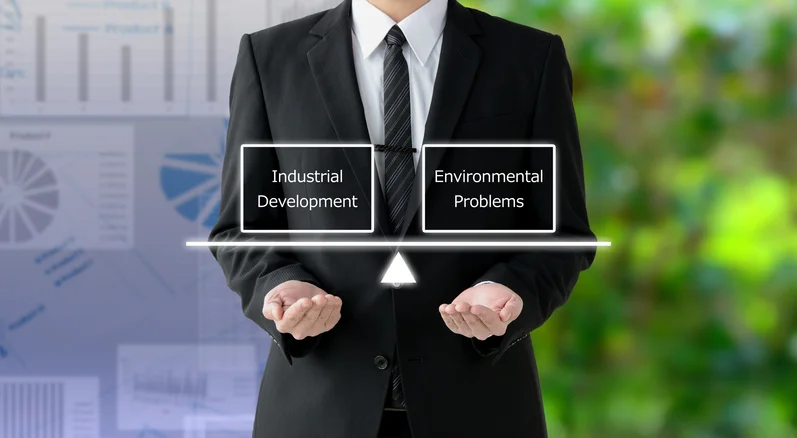
Europe must scale AI‑ready digital infrastructure without sacrificing sustainability, proving growth and green ambition can advance together through smarter, integrated planning.
Europe’s data‑centre sector faces rising geopolitical pressure, demanding pragmatic, locally grounded decisions to safeguard sovereignty and accelerate digital resilience.
There is renewed urgency at regional and national level to attract the investment and commitment to build the next generation of digital infrastructure on sovereign territory. It is imperative that Europe develops and supports data centers capable of hosting the energy-intensive workloads required for cutting edge AI model training and use. But attracting investors and operators should not be at the expense of vital sustainability requirements. Europe, and the Nordics in particular, can create long-term value for business and the environment. But this potential must be leveraged and scaled through collaboration and innovation.
There are those that are keen to roll-back environmental protections in order to build more and bigger data centers for AI, faster. However, we see a different future, where digital and environmental goals can be aligned to deliver win-win benefits for consumers, businesses and the planet. Our Data Center of the Future Blueprint sees data center developments not as isolated projects, but part of integrated planning that build cooperation and mutual benefits with the communities around them.
So how can Europe strike the right balance and turn current advantages strengths into an engine for future growth? I believe that there are three highly achievable paths towards this goal.
Play to Our Strengths
First, we must play to our existing strengths. The timescale for investment and operation of a data center is more than 20 years, so way beyond the democratic mandate of any party or leader. Europe is known for consistent political, economic and environmental perspectives which are essential to these long-term investments. The demand for rapid reaction to global events must be balanced with future-focused thinking that builds on these firm foundations.
The same is true for sustainability. The European Union is committed to the Clean Industrial Deal; a strategy focused on boosting both the competitiveness and decarbonization of the European industry. In the Nordics we share this vision, that digital transformation can be a green transformation and stimulate both growth and innovation. The data center sector is an excellent example, with Nordic operators attracting both global hyperscale providers and hosting enterprise cloud for leading global organisations. Our cool climates, and low-cost, renewable energy are key growth drivers, combined with the political and economic stability mentioned above. None of this will change. If anything, it becomes a greater strength and competitive advantage if others elect to edge away from sustainability. Now is the time to capitalise on these advantages, not undermine them.
Streamlined planning
Our Data Center of the Future Blueprint foresees the role of the data center as not only a consumer of power, but a provider of energy, a contributor to local nature restoration enhancing biodiversity.
This is the second essential pathway – creating more integrated planning and development processes that make it easier and faster to leverage our European values and strengths. Data centers are highly complex facilities that require collaboration across multiple parties from planning and design phase right through their operational lives. These include local and national authorities, landowners, local communities, power generation and distribution companies as well as communications providers and of course the tenants that use our facilities to deliver digital services to customers and citizens. Integrated planning not only streamlines these processes but adds new value.
Our Data Center of the Future Blueprint foresees the role of the data center as not only a consumer of power, but a provider of energy, a contributor to local nature restoration enhancing biodiversity. For example, by investing in low carbon construction and in bringing in nature at brownfield and farmland sites, data center operators can give space to nature and benefit the local community. Our heat-reuse projects are already heating local homes and will support low-carbon agriculture to grow more food locally. Our closed-loop cooling requires only limited amounts of water. All these actions depend on joined-up planning processes that includes all stakeholders working together for common goals.
Harmonised Regulation
The final piece of the puzzle necessary to secure European innovation and growth in data centers without sacrificing the environment is a harmonisation of regulations. Europe is leading the way in designing and implementing effective measures to move swiftly towards climate neutral data centers. We are supportive of good regulation and through the associations such as the Climate Neutral Data Centre Pact, we have engaged with regulators to help establish these goals. As the challenge of balancing competitiveness and sustainability intensifies, we cannot allow a fragmentation of regulation to emerge across Europe. Differences in implementation of environmental policy not only make it hard for those operating across jurisdictions, but slow investment and development of data centers.
There is also the risk that overlapping and sometimes contradictory regulations could have unintended consequences and undermine sustainability efforts. For example, recently proposed minimum performance targets could unreasonably impact the more environmentally friendly facilities, those run by large colocation providers, whilst failing to address the most polluting and inefficient data centers managed by individual enterprises. Furthermore, whilst minimising water use is a priority across the sector, overly rigid requirements may, for example, lead to increased energy consumption from alternative electro-mechanical cooling solutions even in areas where water is plentiful.
There is also the risk that too much regulation leads only to a ‘tick-box’ culture where compliance becomes an end in itself. If hitting environmental targets becomes the goal, we could lose sight of the big picture of becoming more sustainable. We need to be innovative in solutions – stretching for outstanding performances. This requires agility, ambition and focus: compliance regulations are just the foundation.
Sustainability is a Competitive Advantage
The largest and most agile segment of the data center market in Europe are colocation providers. These dedicated facilities are not only among the most efficient digital infrastructures but offer a fast and cost-effective path for any business looking to move to shared or cloud-based solutions. As such, it can rapidly impact the environmental impacts of digital services whilst providing organisations of all kinds the capacity and support needed to innovate, grow and compete on a global stage. Leading players, such as atNorth, committed to leading innovation and deploying new technologies and processes that put data centers at the heart of integrated, future-focused and sustainable developments. And we operate across geographic boundaries. So, in a world of constant and accelerating change, let’s take these three steps to ensure we deliver on sustainability ambitions and competitiveness – they go hand in hand.
About this Series
This column is produced by atNorth, a leading Nordic data center operator. Through expert analysis and industry insight, atNorth examines the political, regulatory, economic, and technological forces shaping Europe’s digital infrastructure landscape, helping business and technology leaders navigate an increasingly complex and rapidly evolving market.