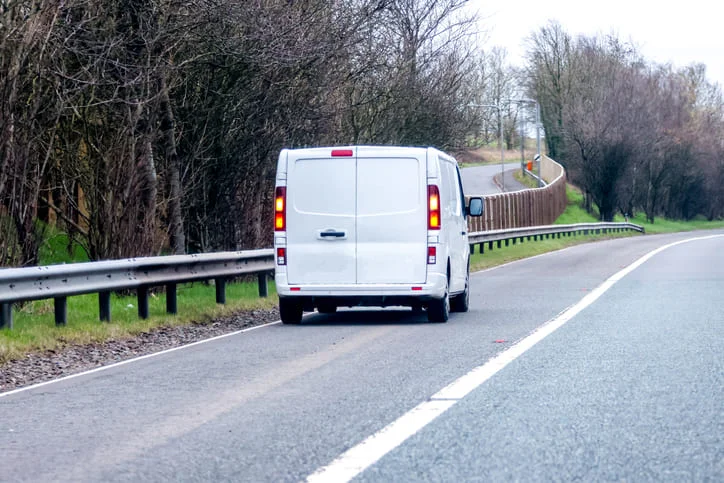
For many Irish businesses, a van is essential. It may transport tools to jobs, deliver products to customers or allow employees to travel between sites. With that in mind, insurance is an unavoidable business cost, but there are ways to potentially keep the premium under control.
The cost of van insurance in Ireland is influenced by several factors, including the vehicle, drivers, claims history, mileage and security arrangements. While some of these factors cannot easily be changed, others are worth reviewing before taking out or renewing a policy.
There is no guaranteed way to secure a cheaper premium, but businesses can take several practical steps to improve their chances of reducing unnecessary costs.
1. Compare more than one insurer
Accepting a renewal quote without checking alternatives could mean missing out on a more competitive deal.
Different commercial insurers assess businesses, vehicles and drivers in different ways. Comparing quotes, either directly or through a commercial insurance broker, can therefore be worthwhile.
However, don’t focus solely on the headline price. Check excesses, permitted drivers, business use, breakdown cover and other policy features to make sure you are comparing like-for-like cover.
2. Build and protect your No Claims Discount
A strong claims record can help reduce the cost of van insurance.
Drivers can generally build a No Claims Discount (NCD) for each year they remain claim-free on their own policy. Over time, this can make a significant difference to the premium.
Some policies also offer bonus protection, which can help protect an accumulated NCD following certain claims. The exact terms vary, so check what is included before relying on it.
Avoiding preventable accidents and claims can therefore have benefits beyond the immediate cost of an incident.
3. Choose a van that suits the business
Insurance should be considered before buying a van, rather than after the purchase has been made.
The vehicle’s value, size, model and engine can all influence how an insurer assesses the risk. A larger or more powerful van may cost more to insure than a smaller alternative.
If a compact van provides enough space for the business, there may be little benefit in choosing a significantly larger vehicle with potentially higher running and insurance costs.
Get insurance quotes for vehicles you are considering before making a final decision.
4. Review who needs to drive the van
Adding every employee to a policy simply for convenience may not be the most cost-effective approach.
The number and profile of drivers can affect the premium, with factors such as age, driving experience, licence details and claims history taken into account.
This doesn’t mean removing someone who genuinely needs access to the vehicle. Instead, review the driver list regularly and ensure it accurately reflects who actually uses the van.
5. Consider where the van is parked overnight
The location where a van is kept overnight can influence the level of risk an insurer associates with it.
A vehicle parked on a public road may present a different theft risk from one stored in a locked garage, secure yard or monitored business premises.
If your circumstances have changed, such as moving from street parking to a secure location, update the insurer with the correct information. Never describe the parking arrangements as more secure than they actually are.
6. Improve vehicle security
Commercial vans can carry valuable tools and equipment, making security important regardless of any potential insurance saving.
Alarms, immobilisers and tracking devices may help reduce theft risk, and some insurers may take additional security measures into account when calculating a premium.
However, don’t assume installing a particular device will automatically result in a discount. Check with your insurer or broker first to establish whether the security measure could affect your quote.
7. Provide an accurate annual mileage
The number of kilometres a van covers can also affect the premium.
A tradesperson travelling between jobs around Ireland is likely to cover considerably more mileage than a business using a van for occasional local deliveries.
It’s important to provide a realistic figure rather than deliberately underestimating mileage to obtain a cheaper quote. If you’re unsure, previous service records, CVRT records or odometer readings can help establish how far the vehicle typically travels.
If business activity has changed and mileage has fallen, make sure this is reflected when the policy is reviewed.
8. Check whether an existing No Claims Discount can be transferred
This can be particularly useful for sole traders moving from private motoring to commercial van insurance.
Years of claim-free private driving may be relevant when applying for a van policy, depending on the insurer’s rules. Some insurers may allow an existing private No Claims Discount to be transferred, while others may offer options for a second vehicle.
Don’t assume every provider applies the same rules. Ask specifically whether your existing insurance and driving history can be recognised when obtaining quotes.
9. Compare different levels of cover
Commercial vehicle insurance is generally available as Third Party Only, Third Party Fire & Theft, or Comprehensive cover.
It may seem that choosing less cover will automatically mean a lower premium, but that isn’t always the case. Depending on the circumstances, Comprehensive cover can sometimes be priced competitively against lower levels of protection.
Get quotes for the appropriate cover options before deciding. For a business that relies heavily on a single van, the potential cost of being without that vehicle should also be considered.
10. Maintain a clean driving record
Insurers don’t only consider previous claims. Driving convictions and other aspects of a driver’s history can also influence commercial van insurance premiums.
For businesses with employees using company vehicles, encouraging safe driving and maintaining good vehicle management practices can help reduce accidents and claims.
Clear driving policies, regular vehicle checks and responsible driving can therefore provide longer-term benefits for both safety and insurance costs.
11. Review the policy when the business changes
A van insurance policy shouldn’t simply be renewed every year without checking whether anything has changed.
For example:
- an employee who regularly drove the van has left;
- annual mileage has decreased;
- the vehicle is now stored at secure premises;
- another claim-free year has been completed;
- additional security has been installed; or
- the way the van is used by the business has changed.
Some changes could reduce the risk presented to an insurer, while others could increase it. Either way, keeping your policy information accurate ensures the insurer has a proper picture of the business.
The cheapest premium isn’t necessarily the cheapest option
Saving money on insurance is important for any business, but the lowest quote isn’t always the best choice. Insufficient cover could leave a business facing much greater costs if an accident, theft or other incident occurs.
The better objective is competitive insurance that properly reflects the van, its drivers and how the business actually uses it.
Start comparing quotes before the renewal date, keep your information accurate and ask insurers or brokers about factors that could legitimately affect the premium.
For Irish businesses looking to manage operating costs, there is no single way to make van insurance cheap. However, understanding what insurers consider when assessing risk can help business owners avoid unnecessary costs while maintaining suitable protection.
Disclaimer: This article contains sponsored marketing content. It is intended for promotional purposes and should not be considered as an endorsement or recommendation by our website. Readers are encouraged to conduct their own research and exercise their own judgment before making any decisions based on the information provided in this article.