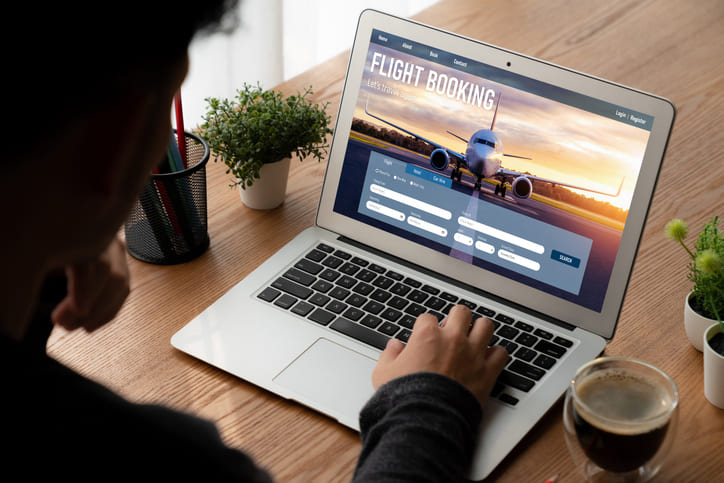
Booking flights before visa approval can put business travelers at financial risk. Visa delays or rejections may leave you paying for tickets you cannot use.
Understanding flight reservation requirements can help you plan international trips without unnecessary expenses.
Flight Reservations vs. Confirmed Tickets: What’s the Difference?
A flight reservation holds an itinerary without necessarily requiring full payment for the ticket, while a confirmed ticket generally represents an issued booking. You can use a verifiable flight reservation for visa applications when the relevant consulate accepts reservations instead of purchased tickets.
| Feature | Flight Reservation | Confirmed Flight Ticket |
| Full payment | Not always required | Usually required |
| Booking reference | May include a PNR | Usually includes a PNR |
| Travel permitted | No, not by itself | Yes, with valid documents |
| Cancellation risk | Hold may expire | Depends on fare rules |
| Visa documentation | If accepted | If required or accepted |
| Best use | Planning before approval | Confirmed travel |
A passenger name record (PNR) is a booking record, not proof that a ticket has been issued. Always check whether your embassy requires an itinerary, a reservation, or an actual ticket before submitting your application.
Why Booking Flights Before Visa Approval Can Be Risky
International business trips often involve fixed meeting dates, conferences, and client commitments. But visa processing times can change, making early flight purchases risky when travel approval is uncertain.
1. Visa Processing Delays
Visa applications may take longer than expected because of additional checks or missing documents. Your ticket could become unusable if approval arrives after your departure date. You may then face rebooking fees or cancellation charges.
2. Risk of Visa Rejection
Even a complete application does not guarantee visa approval. If you purchase a non-refundable flight before receiving a decision, you could lose part or all of the fare. Waiting for approval reduces unnecessary financial risk, particularly on expensive international routes.
3. Changes in Business Meeting Schedules
Client meetings, conferences, and negotiations sometimes change at short notice. Purchasing flights too early can make these adjustments costly, especially with restrictive fares. Flexible bookings make it easier to manage changing travel schedules.
4. Non-Refundable Ticket Restrictions
Many lower-priced airline tickets come with strict cancellation and modification policies. Some fares offer travel credits instead of cash refunds, while others impose substantial penalties. Always review fare conditions and refund eligibility before paying.
5. Multiple Employee Travel Costs
Arranging international trips for several employees increases your company’s financial exposure. A visa delay affecting one team member can disrupt shared travel arrangements. Corporate travel managers should consider individual visa approval timelines before making group bookings.
6. Unexpected Changes in Entry Requirements
Visa rules and entry documentation requirements vary by nationality, destination, and travel purpose. You may discover that additional documents or approvals are needed after purchasing a ticket. Checking official immigration requirements before booking helps prevent avoidable problems.
7. Limited Time to Reschedule Travel
Business travelers often have less flexibility because meetings and events follow fixed schedules. If visa approval arrives close to departure, changing flights may involve higher fares or limited availability. Planning with realistic processing time allowances can reduce last-minute expenses.
What Are the Alternatives to Buying Flights Early?
You do not always need to purchase expensive tickets before receiving visa approval. Several booking alternatives can help you manage travel plans while limiting financial risk.
1. Use a Temporary Flight Reservation
Some airlines and travel agencies allow you to hold an itinerary without immediately purchasing a ticket. These reservations may include a booking reference that can be checked while the hold remains active. Always confirm reservation validity and expiry dates before submitting documents.
2. Consider Refundable Airline Tickets
Refundable fares allow you to cancel eligible bookings under the airline’s conditions. Although these tickets may cost more initially, they offer greater financial flexibility when visa approval is uncertain. Check whether refunds return to your original payment method and whether service fees apply.
3. Check Airline Fare Hold Options
Some airlines offer temporary fare holds for a fixed period. These arrangements let you reserve an itinerary while waiting for a decision or finalizing meeting dates. However, airline hold periods are often shorter than visa processing times.
4. Use Flexible Flight Booking Policies
Certain airline fares allow date changes with reduced penalties or no change fee. You may still need to pay a fare difference when selecting a new departure date. Compare ticket flexibility and cancellation conditions before making reservations.
5. Plan Onward Travel Requirements
Some destinations require travelers to show plans to leave the country within their permitted stay. Depending on the applicable rules, an onward ticket reservation may help document a proposed departure itinerary, but it cannot replace an issued ticket when one is required. Always check onward travel requirements with the destination’s immigration authority and your airline.
6. Coordinate Bookings Through Corporate Travel Teams
Companies with frequent international travel can benefit from centralized booking procedures. Travel managers can track visa applications, compare fares, and approve purchases when travel dates become more certain. A clear corporate travel policy also helps prevent inconsistent booking decisions.
7. Separate Visa Documentation From Final Travel Arrangements
A proposed itinerary submitted with a visa application may differ from the final ticket purchased for travel. Where permitted, you can prepare genuine reservation documents first and purchase tickets after approval. Make sure submitted travel information accurately reflects your intended journey.
How Can Businesses Reduce Visa-Related Travel Costs?
Companies should include visa processing in their travel planning instead of treating it as a separate administrative task. A clear booking policy can help employees avoid unnecessary expenses and reduce scheduling problems.
Practical steps include:
- Check visa requirements early: Review official embassy guidance before setting travel dates or purchasing tickets.
- Allow processing time: Leave enough time between your visa application and planned departure.
- Confirm documentation requirements: Check whether an itinerary, reservation, or paid ticket is necessary.
- Review cancellation policies: Understand refund conditions, change fees, and fare restrictions.
- Use genuine reservations: Avoid altered documents or bookings that cannot be verified when verification is required.
- Coordinate with meeting organizers: Confirm appointment dates and whether meetings can be rescheduled.
- Track reservation expiry: Check how long temporary flights remain valid.
- Purchase tickets after approval: Where practical, delay non-refundable purchases until your visa is approved.
Requirements vary by destination and visa category. For example, some Schengen visa application checklists request flight reservations, while others may have different documentation requirements. Check the official embassy or consulate website for your nationality and destination rather than assuming the same rules apply everywhere.
Conclusion
Business travelers should generally avoid buying non-refundable flights before visa approval unless their circumstances justify the risk. Temporary reservations, refundable tickets, and flexible fares can help reduce unnecessary expenses. Check official visa requirements, allow enough processing time, and purchase final tickets when your travel plans are confirmed.