Chinese technology groups are pressing Nvidia for greater clarity on deliveries of its H200 artificial intelligence chips, as limited supply collides with a wave of interest from the country’s largest cloud and internet companies. The surge has pushed the US chipmaker to consider expanding production capacity, according to people familiar with internal discussions.
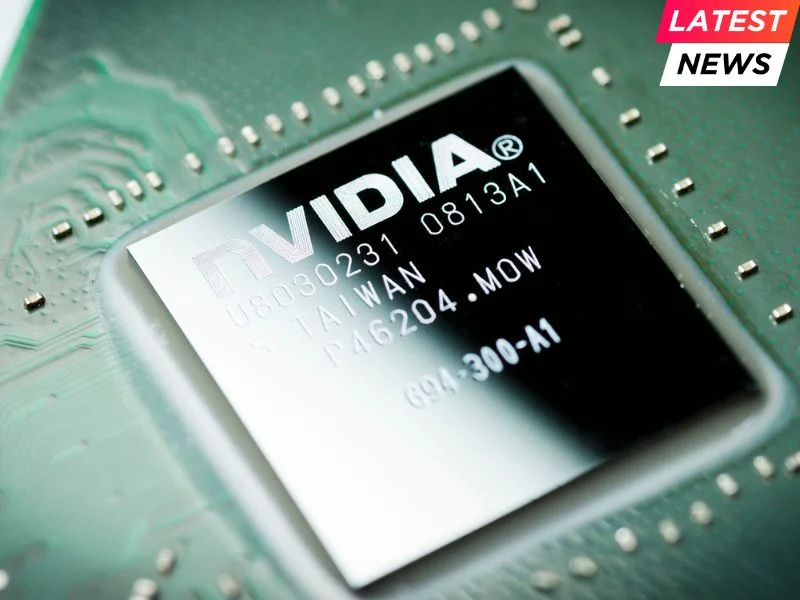
Executives briefed customers this week on current availability levels, acknowledging that output remains constrained. The H200 entered mass deployment last year and represents the most powerful processor Chinese firms can legally access from Nvidia. It is built by Taiwan Semiconductor Manufacturing Company using its 4 nanometre process, although TSMC has declined to comment on customer specific capacity.
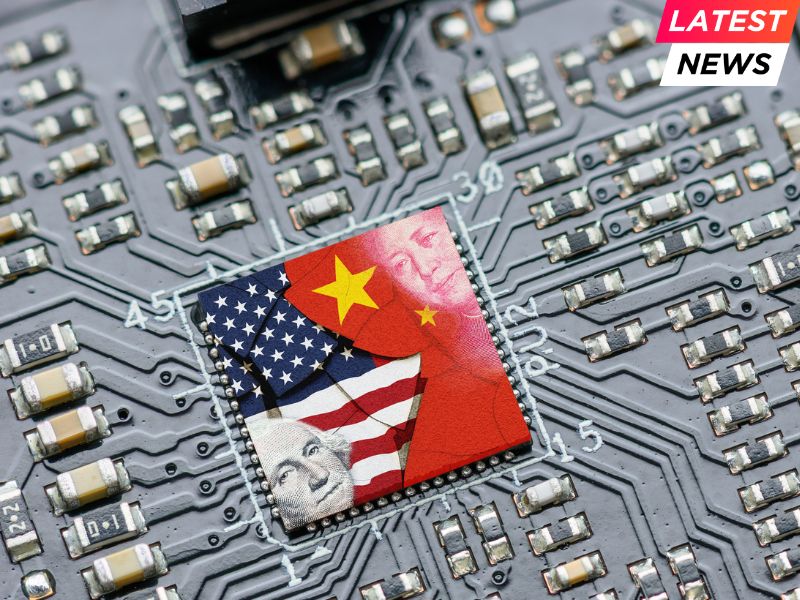
Demand has intensified following comments from US President Donald Trump, who said Washington would allow exports of the H200 to China while taking a 25 percent fee on those sales. The decision has triggered strong interest from groups including Alibaba and ByteDance, both of which have approached Nvidia seeking to place sizeable orders.
“We are managing our supply chain to ensure that licensed sales of the H200 to authorized customers in China will have no impact on our ability to supply customers in the United States,” an Nvidia spokesperson said.
Despite that reassurance, production volumes remain small. Nvidia continues to prioritise its latest Blackwell processors and the forthcoming Rubin line, leaving limited near term room to ramp up output of the older Hopper generation chips.
Approval from Beijing also remains uncertain. Chinese officials held emergency meetings this week to assess whether shipments of the H200 should be permitted, according to multiple sources. One proposal under discussion would require buyers to bundle purchases with a quota of domestically produced chips, reflecting government efforts to nurture a local AI hardware ecosystem.
China’s Ministry of Industry and Information Technology did not respond to requests for comment.
The debate highlights a strategic dilemma for policymakers. Domestic chipmakers have yet to produce alternatives that rival Nvidia’s performance. “Its (H200) compute performance is approximately 2-3 times that of the most advanced domestically produced accelerators,” said Nori Chiou, investment director at White Oak Capital Partners. “I’m already observing many CSPs and enterprise customers aggressively placing large orders and lobbying the government to relax restrictions on a conditional basis.”
Chinese companies view the H200 as vastly superior to the H20, a downgraded processor Nvidia introduced for the Chinese market in late 2023. The H200 is estimated to be about six times more powerful, making it critical for training large models and running advanced inference workloads.
For Nvidia, expanding supply is not straightforward. The company is competing with rivals such as Google for advanced manufacturing slots at TSMC, while also managing a complex transition to its next generation architecture. Any decision to add capacity would require careful balancing of geopolitical risk, long term customer commitments and strained global foundry resources.
As China pushes to accelerate its domestic AI ambitions, and Washington selectively loosens export controls, the H200 has become a focal point of both commercial opportunity and political calculation. Whether Nvidia can meet demand will depend not only on factory capacity, but also on decisions made in capitals on both sides of the Pacific.
Related Readings: