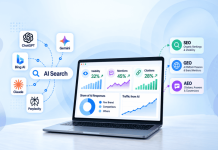
In the realm of AI-driven digital landscapes, optimizing content for search engines is a nuanced challenge that requires a strategic approach. The surge in AI technology demands that content creators adapt their strategies to meet new standards. This article offers a comprehensive guide tailored for those seeking to enhance their AI search content optimization efforts. We will delve into the best practices, explore key elements for crafting search-friendly AI content, examine techniques to boost user engagement, and identify metrics for measuring success. By understanding these facets, you can effectively elevate your content’s visibility and relevance in AI-powered search environments.
Best Practices for AI Content Optimization
Achieving effective AI content optimization begins with understanding the unique characteristics of AI search algorithms. One pivotal technique is the use of Agile Backlog Refinement, which allows for continuous improvement and adaptation of content based on evolving AI insights. Implementing a structured approach, such as a Kanban Board System, can help manage content creation workflows efficiently, ensuring timely updates and relevance. Furthermore, leveraging tools like Gantt Chart Software can aid in planning and tracking content production timelines, facilitating a more organized optimization process. By integrating these methods, content creators can maintain a dynamic and responsive content strategy.
Key Elements for Crafting Search-Friendly AI Content
Crafting AI content that ranks well requires attention to several key elements. First, employing a SWOT Analysis Framework can help identify strengths, weaknesses, opportunities, and threats related to your content strategy. This analysis can guide the refinement of content to align with AI search preferences. Moreover, adhering to ISO 9001 Compliance standards ensures the quality and consistency of content, which are crucial factors in search engine evaluation. By focusing on these elements, creators can enhance the searchability and credibility of their AI-driven content. For further insight into optimizing content for AI, visit the AI Search Content Optimization Guide.
Techniques to Enhance User Engagement with AI-Driven Content
Enhancing user engagement with AI-driven content requires a combination of strategic techniques. Utilizing Value Stream Mapping can help identify and eliminate inefficiencies in content delivery, ensuring a seamless user experience. Additionally, employing a Stakeholder Engagement Plan allows for better alignment with audience expectations, increasing the likelihood of user interaction. A robust Change Management Process can facilitate the smooth implementation of new content strategies, minimizing disruption and fostering user retention. These techniques contribute to a more engaging and interactive content experience for users navigating AI search platforms.
Metrics for Measuring the Success of AI Search Optimization
Measuring the effectiveness of AI search optimization is vital to refining content strategies. Key Performance Indicator (KPI) Dashboards provide a visual representation of essential metrics, such as search rankings and user engagement rates, allowing for quick assessment and decision-making. Additionally, the Net Promoter Score (NPS) can offer valuable insights into user satisfaction and brand loyalty, serving as an indicator of content success. Implementing a Risk Assessment Matrix ensures that potential challenges in optimization are proactively addressed, maintaining the integrity and performance of AI content strategies. For a deeper understanding of content optimization metrics, refer to Gartner’s insights on AI optimization.
Conclusion
Optimizing content for AI search engines involves a strategic blend of best practices, key elements, engagement techniques, and performance metrics. By employing structured methodologies like Agile Backlog Refinement and Value Stream Mapping, content creators can effectively navigate the complexities of AI-driven search environments. Additionally, leveraging tools and frameworks such as Gantt Chart Software and SWOT Analysis ensures content remains relevant and high-quality. By focusing on these strategies, individuals can significantly enhance the visibility and impact of their AI-driven content.