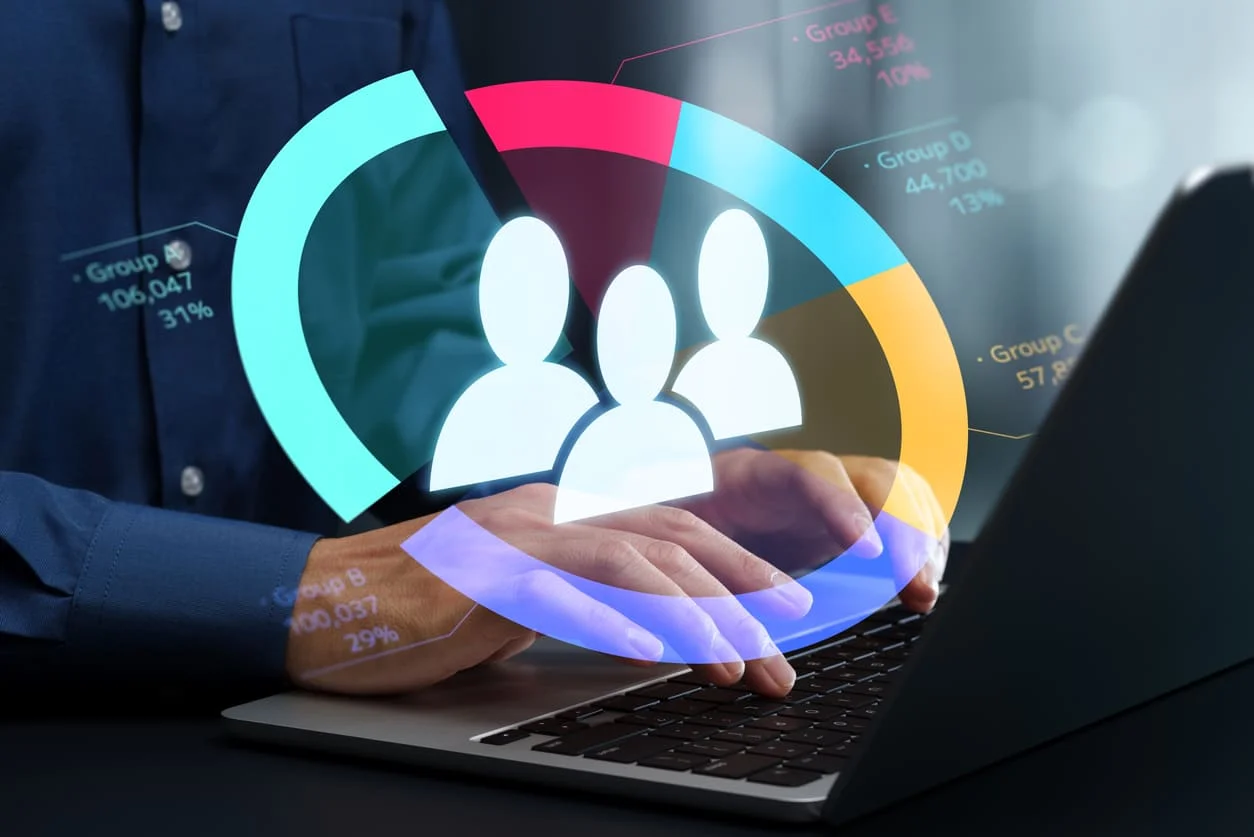
In the competitive landscape of B2B markets, understanding your customer base is more than a strategic advantage—it is a necessity. Two methodologies often employed to achieve this understanding are B2B customer segmentation and the Ideal Customer Profile (ICP). Customer segmentation involves categorizing customers based on shared characteristics, such as industry, size, and needs. On the other hand, an ICP provides a detailed description of the perfect customer that would benefit most from your product or service. This article explores the nuances of each approach and evaluates their impact on maximizing return on investment (ROI) for businesses relying on technological and business advancements.
B2B Customer Segmentation: An Overview of Key Strategies
Customer segmentation in the B2B sphere often utilizes advanced technologies like Data Lakehouse and API Gateway to manage and analyze vast datasets. These technologies enable businesses to segment their customers into distinct categories based on demographics, purchasing behavior, or service usage. A critical aspect of this process is the collection and analysis of SaaS Metrics, which can reveal patterns and trends that inform segmentation decisions.
Furthermore, the segmentation process can benefit from tools like Microservices Architecture, which allows businesses to build flexible and scalable systems that can adapt to the needs of different customer segments. For instance, a company might segment its customers into small, medium, and enterprise-level businesses, each requiring a different marketing strategy and service offering.
Ultimately, effective customer segmentation can lead to more personalized marketing, better customer service, and optimized product offerings, thus increasing customer satisfaction and loyalty. However, the challenge lies in maintaining accurate and updated customer data, which is where technologies like Edge Computing can play a pivotal role by providing real-time data processing capabilities.
Ideal Customer Profile: Defining Characteristics for Success
An Ideal Customer Profile (ICP) is a detailed description of the type of customer who would gain the most value from your products or services. Creating an ICP involves analyzing existing customer data and identifying patterns that indicate success. This approach often utilizes advanced analytics and Quantum Cryptography to ensure data security and integrity.
Organizations can leverage the ITIL Framework to streamline processes while defining their ICP. This framework helps businesses align their services with customer needs, ensuring that the defined ICP is not only aspirational but achievable. For example, a company may identify its ICP as mid-sized tech firms in need of Container Orchestration solutions.
The benefit of an ICP lies in its ability to focus marketing and sales efforts on high-potential leads, thereby increasing conversion rates and reducing customer acquisition costs. By targeting customers who are most likely to benefit from your offerings, businesses can optimize their resources and achieve a higher ROI.
Comparative Analysis: Customer Segmentation vs. Ideal Customer Profile
When evaluating the effectiveness of customer segmentation versus an Ideal Customer Profile, businesses must consider the unique advantages each offers. Customer segmentation allows for broad market analysis and the ability to tailor marketing strategies to different groups. It provides a comprehensive view of the market landscape and helps in identifying emerging opportunities.
In contrast, an ICP offers a focused approach, directing resources towards the most promising prospects. This method is particularly beneficial for businesses in highly competitive or niche markets where precision targeting can lead to substantial gains. For instance, recent studies indicate that companies employing ICPs have seen a 20% increase in sales efficiency (Source: Forrester, 2023).
While both approaches are valuable, integrating them can provide a balanced strategy. By understanding broad segments and honing in on specific ideal customers, businesses can maximize their reach and effectiveness. As a result, organizations can better allocate resources, ensuring higher ROI from their marketing and sales initiatives.
Maximizing ROI: Choosing the Right Approach for Your Business
Determining whether to focus on customer segmentation or an ICP largely depends on your business goals and the complexity of your market. Companies with diverse product lines and large customer bases might benefit more from segmentation, utilizing tools like the DevOps Pipeline to streamline processes. Conversely, businesses with a niche offering may find that an Ideal Customer Profile provides a clearer path to increased profitability.
GDPR Compliance Officers play a crucial role in ensuring that data used in both approaches is secure and compliant with regulations, thereby protecting customer privacy and maintaining trust. Additionally, emerging technologies such as Blockchain Interoperability can facilitate seamless data sharing across platforms, enhancing both segmentation and ICP strategies.
For businesses looking to refine their approach, understanding the Ideal Customer Profile can be a pivotal step in optimizing their B2B marketing strategies. By leveraging the strengths of both methodologies, companies can more effectively target and serve their customers, thereby maximizing ROI.
Conclusion
Choosing between B2B customer segmentation and an Ideal Customer Profile requires a thorough understanding of your business needs and market dynamics. Both methodologies offer unique advantages that can lead to increased ROI when applied correctly. By integrating advanced technologies and maintaining data integrity, businesses can effectively target their marketing efforts and achieve greater success in the competitive B2B landscape.