

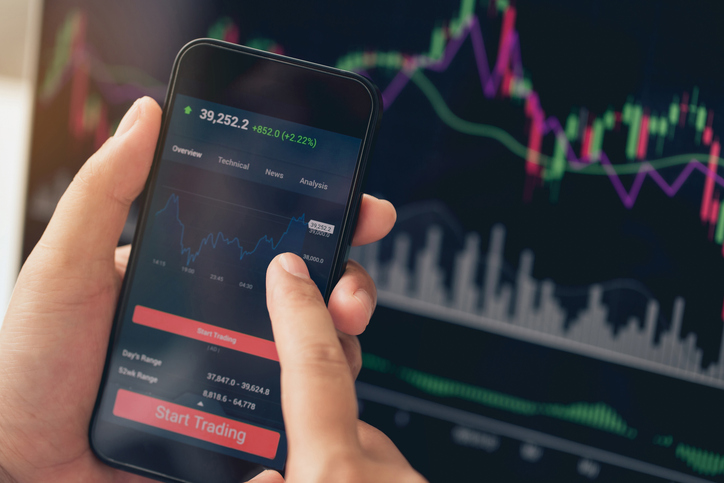
Stock market prices change with economic conditions, company performance, investor confidence, and international developments. Investors who monitor these factors can make better-informed decisions and prepare for possible market shifts. Economic indicators such as interest rates, inflation, employment figures, and consumer spending offer useful insights into the financial environment. Rising interest rates may increase borrowing costs for businesses and households, pressuring company profits and share prices. Strong employment figures and steady consumer spending may signal healthier economic activity that supports business growth. These indicators cannot predict every market movement, yet they provide valuable information for assessing potential risks. Regularly reviewing financial reports and economic updates helps investors identify changing conditions and adjust their investment plans with greater care.
Spreading Investments Across Different Assets
Diversification helps investors manage the risks associated with market fluctuations. Placing all available funds into one company, industry, or asset class can expose a portfolio to significant losses when that investment performs poorly. Holding a mixture of shares, bonds, cash, and other suitable assets can reduce dependence on a single source of returns. Investors can spread their holdings across different industries and countries to limit the effects of regional economic problems or sector-specific setbacks. Financial products such as futures, options, and UBS Warrants & CBBC offer additional ways to gain market exposure or manage certain investment risks. These instruments may involve leverage, time limits, and the possibility of losing the entire amount invested. Investors should understand their features, costs, and potential losses before using them. A diversified portfolio cannot prevent every loss, but a balanced allocation can reduce excessive exposure to individual market events.
Following International Developments
Events in one country can influence stock markets across the globe. Government policy changes, trade disputes, international conflicts, and supply chain disruptions can affect company expenses, consumer demand, and investor confidence. New tariffs on imported goods, for example, may increase production costs for businesses that rely on overseas suppliers. Higher expenses can reduce profit margins and place pressure on share prices. Investors who follow international news can identify potential risks and assess whether their existing holdings remain suitable. Reliable news outlets, company announcements, and economic reports provide useful information for understanding these developments. Careful analysis is more helpful than making immediate trades after reading dramatic headlines. Examining how an event may affect particular businesses allows investors to respond thoughtfully and avoid decisions driven mainly by fear or excitement.
Building Financial Knowledge
Financial education helps investors evaluate opportunities and recognise potential risks before committing their money. Understanding balance sheets, income statements, cash flow reports, and debt levels provides a clearer picture of a company’s financial health. A business may report higher revenue but still face difficulties if expenses increase sharply or debt becomes difficult to manage. Reviewing several financial measures helps investors develop a balanced assessment of company performance and prospects. Books, online courses, financial publications, and educational seminars can strengthen investment knowledge over time. Learning about valuation methods, market cycles, and different financial products can further improve decision-making. Investors can review their past choices to identify mistakes and develop better habits. A solid understanding of financial principles reduces reliance on rumours and supports decisions that reflect personal goals, available capital, and risk tolerance.
Making Practical Use of Technology
Digital tools have made market information easier to access and review. Many investment platforms provide live prices, historical charts, company announcements, and portfolio tracking features that help investors monitor their holdings. Charting tools can reveal changes in trading volume and price patterns, offering additional information about market activity. Some platforms provide alerts when a share reaches a selected price or when portfolio values move beyond a chosen threshold. Automated trading systems can place orders according to predefined rules, reducing the need for constant manual monitoring. These tools still require supervision, since technical signals can be misleading and automated orders may execute at unfavourable prices. Investors should choose reputable platforms, protect their account details, and review transaction fees before trading. Technology can support research and improve efficiency, but sound judgement remains necessary when interpreting data and selecting investments.
Establishing Clear Risk Management Rules
Risk management helps investors protect their capital and maintain control during uncertain market conditions. Each investor should assess how much money can be placed at risk without affecting essential expenses, emergency savings, or other financial commitments. A written investment plan can establish acceptable loss levels, limits for individual holdings, and conditions for reducing exposure. Stop-loss orders may help close positions after prices reach predetermined levels, though execution prices can differ during rapid market movements or periods of limited liquidity. Investors should review their portfolios regularly to identify concentrated holdings, weakening company performance, and changes in personal financial needs. Keeping records of investment decisions can reveal patterns of impulsive trading and repeated mistakes. Clear rules encourage consistent choices and reduce the likelihood of reacting emotionally when prices rise or fall sharply.
Seeking Qualified Financial Guidance
Professional financial advice can help investors develop strategies suited to their income, savings, obligations, and long-term plans. A qualified adviser can explain investment choices, assess portfolio risks, and clarify financial products that may be difficult to evaluate independently. This support can be useful when investors examine leveraged instruments, complex derivatives, or major changes to existing holdings. Before engaging an adviser, investors should review their qualifications, regulatory standing, fees, and potential conflicts of interest. They should understand how recommendations are developed and whether the proposed approach matches their objectives. Professional guidance cannot eliminate market risks or guarantee profits, so investors should remain involved in their financial decisions. Regular discussions with an adviser can help keep an investment plan aligned with changing circumstances.
Maintaining a Long-Term Investment Perspective
Short-term market movements can create pressure to buy or sell at unfavourable times. Investors who react to every price change may incur unnecessary transaction costs, abandon suitable holdings, or miss opportunities for future growth. A clear financial plan provides direction during uncertain periods and helps distinguish temporary price declines from developments that affect an investment’s underlying value. Regular contributions, sensible diversification, and periodic portfolio reviews support a disciplined approach. Investors should still reassess their holdings when financial goals change or company performance weakens. Patience does not mean ignoring warning signs; it means responding carefully rather than making rushed decisions based on daily market movements.
Conclusion
Preparing for stock market fluctuations requires research, financial education, diversification, and consistent risk management. Investors can improve their readiness by monitoring economic indicators, following international developments, using reliable technology, and seeking qualified advice when necessary. A long-term perspective helps them manage uncertainty without losing sight of their financial objectives. Although no strategy can predict every market movement or guarantee positive returns, informed preparation supports measured decisions and helps investors build portfolios suited to their needs, available resources, and tolerance for risk.
Disclaimer: This article contains sponsored marketing content. It is intended for promotional purposes and should not be considered as an endorsement or recommendation by our website. Readers are encouraged to conduct their own research and exercise their own judgment before making any decisions based on the information provided in this article.


